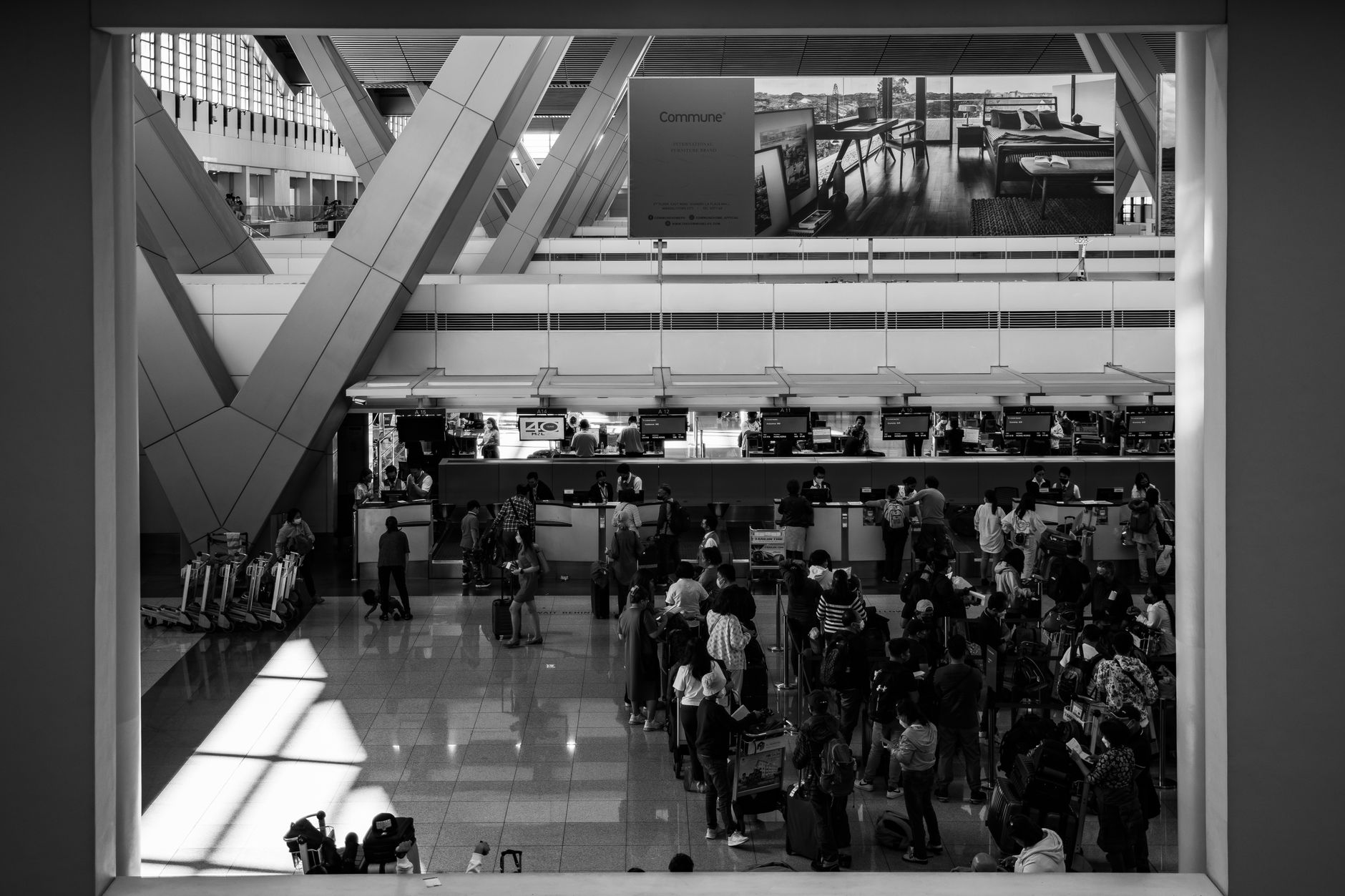
a national rail infrastructure operator and its facilities management partner across busy station concourses
How a National Rail Station Network Saved 145,945 Staff Hours With Scrubbers
A documented rail station scrubber fleet saved 145,945 staff hours and 1.1 million liters of water yearly while shifting crews to detail work at busy concourses.
- 145,945
- staff hours saved yearly
- 1.1M L
- water saved per year
- 13
- scrubbers deployed
- 2,507 kg
- CO2 cut annually
Based on a documented real-world deployment. Figures are from public reporting; the organization is not named.
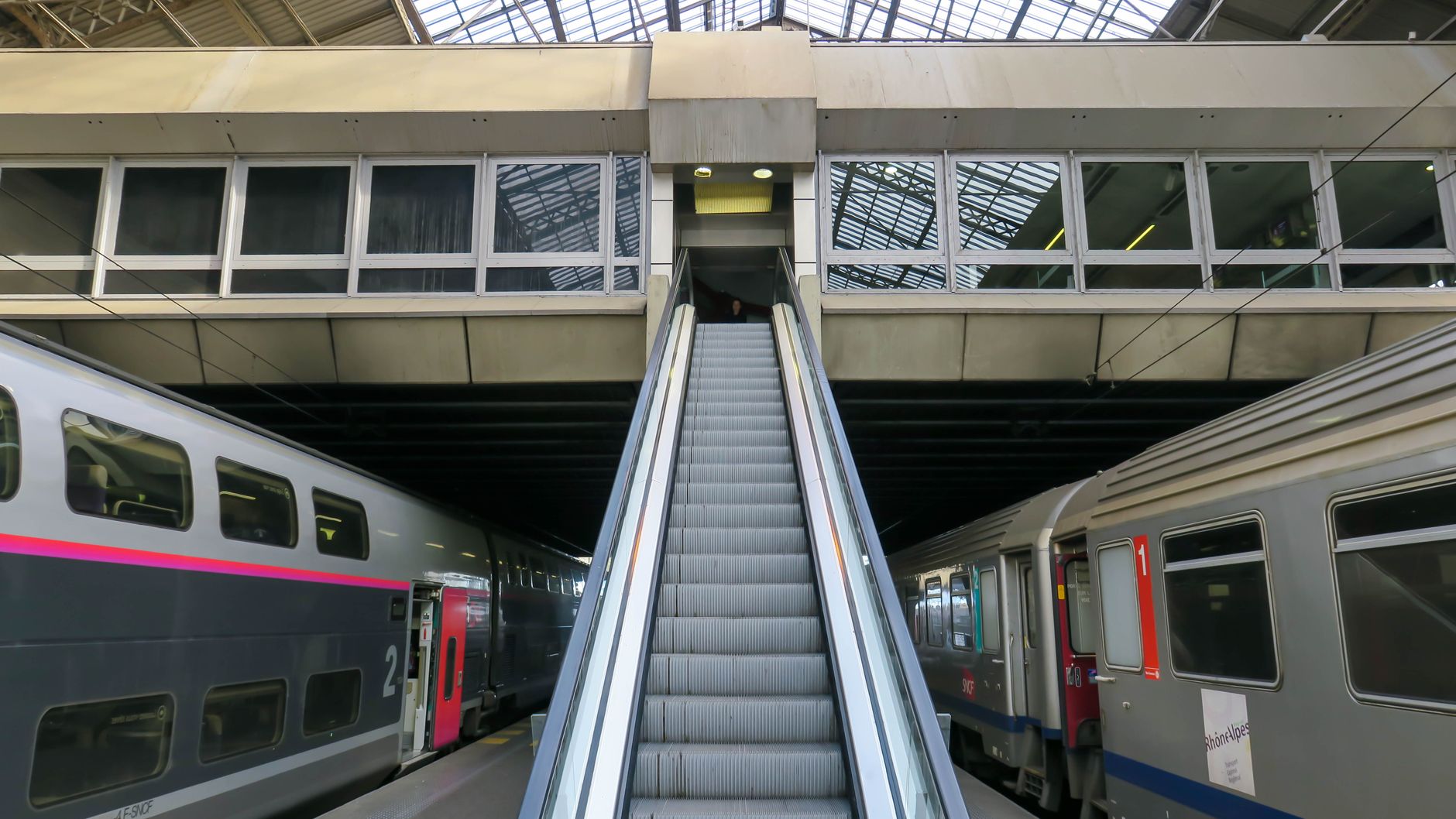
Concourses that never really go quiet
A national rail infrastructure operator and its facilities management partner across busy station concourses faced a familiar squeeze. Passenger volume stayed high from first train to last, yet budgets did not allow endless overtime for wide-area scrubbing.
Crews were often pulled into large floor runs when leadership wanted them on detail work, outdoor jet washing, and touch-up jobs that actually shape how clean a station feels.
Public expectations kept rising. Travelers wanted visible cleanliness without the operator hiring a parallel night army for every concourse and waiting hall.
Thirteen scrubbers matched to the floor mix
Starting in January 2022, the team placed thirteen autonomous floor scrubbers across concourses, waiting areas, and back-office corridors. Compact units handled tighter office loops while larger scrubbers covered open passenger zones.
Deployment leaned on phased mapping so robots could run while stations stayed open, with safety beacons and audible alerts tuned for mixed pedestrian traffic.
Crews trained on docking, route checks, and when to hand off to manual work on stairs, platforms, and other spots robots should not own.
- Map concourses and waiting halls for daytime and overnight routes
- Stage compact scrubbers in offices and wide scrubbers in passenger zones
- Run visible cleaning cycles to reinforce passenger confidence
- Shift human hours toward detail tasks and exterior work
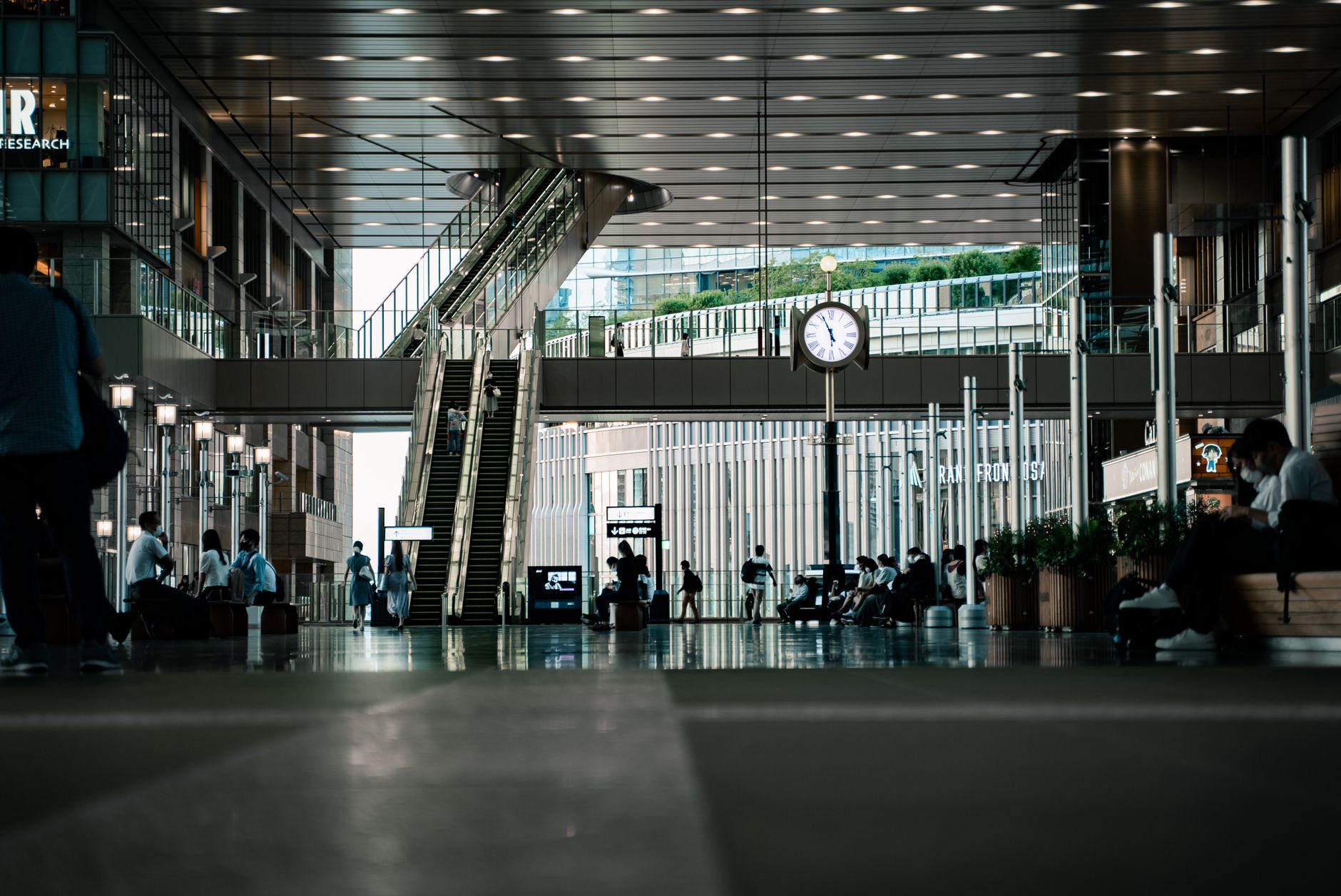
Measured hours, water, and perception
Published results from the deployment credit the scrubber fleet with 145,945 staff hours saved annually. That time moved to higher-priority and specialized cleaning instead of repetitive wide-floor passes.
Water use fell by 1.1 million liters per year, helped by onboard recycling that cut refill and dump cycles on long routes.
Carbon emissions tied to the cleaning program dropped by 2,507 kilograms annually. Passenger feedback cited in the case materials turned positive as travelers saw machines working through day and night shifts.
What US transit and intermodal sites can borrow
This story is a documented example, not a Service Robot Co. client record. It still shows what a vendor-neutral integrator can replicate for US station operators, airport connectors, and mixed retail concourses.
Service Robot Co. selects autonomous scrubbers for your actual floor mix, then supports commercial cleaning robot rental or purchase paths, mapping, training, and nationwide service on one contract.
A free site assessment on your concourse layout is the practical first step before you commit to a thirteen-unit vision or a single-building pilot.