
a large supermarket chain operating hundreds of stores across one European country
How a National Supermarket Chain Cut Manual Floor Cleaning Time 20% With Scrubber Robots
A documented European grocery rollout cut manual aisle scrubbing 20% with 25 autonomous scrubbers and docking workstations, freeing staff for high-touch cleaning.
- 20%
- Manual scrub cut
- 25
- Robots deployed
- 9+16
- Scrubber mix
- 2026
- Network rollout
Based on a documented real-world deployment. Figures are from public reporting; the organization is not named.
Foot traffic without enough floor hours
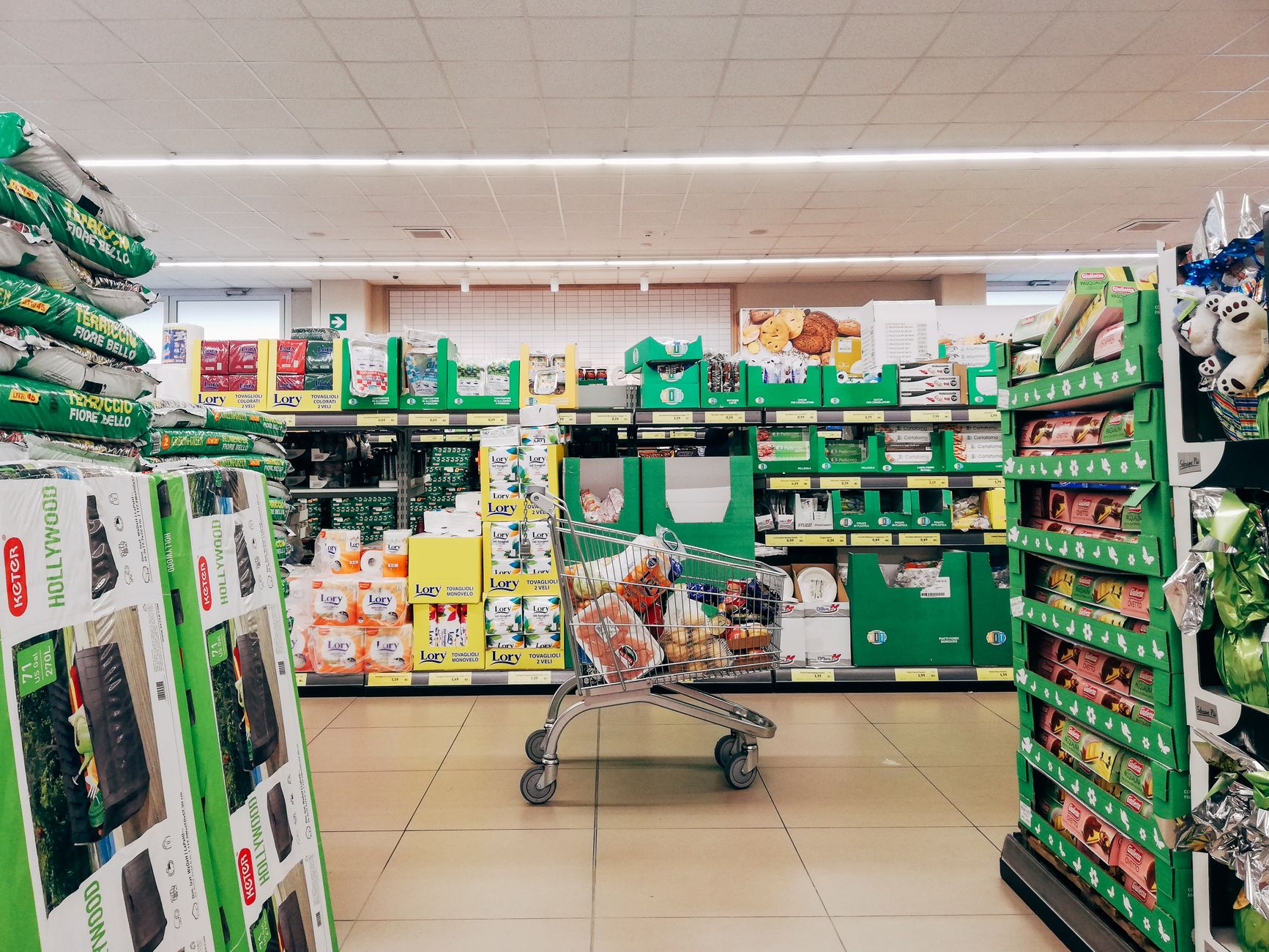
A large supermarket chain operating hundreds of stores across one European country needed spotless sales floors while carts, spills, and peak traffic never stopped. Manual scrubbing could only happen in certain shifts, so quality varied by store, time of day, and who was on the clock.
Leadership also wanted shoppers to see modernization in daily operations. They needed a repeatable floor program that did not require hiring another overnight crew at every location.
- Continuous cart and spill wear on aisles
- Limited manual scrubbing windows
- Uneven results across a wide store network
- Pressure to modernize in-store operations visibly

Mixed scrubbers with autonomous docking
The chain worked with a local integration partner to deploy 25 autonomous floor scrubbers between January and May 2026. The fleet combined nine mid-size scrubbers for main shopping floors with sixteen compact units for tight aisles and back-of-house paths.
Each unit paired with an autonomous workstation for refill, drain, and recharge so crews were not babysitting tanks between runs. Store teams kept ownership of restrooms, displays, and customer-facing tasks while robots held the baseline hard-floor program.
Managers used cloud reporting to see cleaning cycles, adjust schedules, and compare performance across locations without walking every aisle themselves.
- Pilot criteria tied to aisle width and overnight access
- Phased national rollout across five months
- Staff training focused on cobotics handoffs, not replacement
- Remote schedules tuned for peak versus close
Measured labor shift, not just shiny floors
Published results from the deployment report a 20% reduction in time staff spend on manual floor cleaning. That time moved to restrooms, back rooms, and other areas that needed more attention, which leadership said raised overall cleaning quality without adding headcount.
Employees and shoppers both described floors as looking cleaner, even though the headline metric is labor time rather than a guest score. Autonomous cycles also delivered more consistent coverage across shifts, with less variation when stores were busiest.
What US grocers can borrow from the pattern
This is a documented European supermarket example, not a Service Robot Co. customer claim. It still mirrors what many US operators ask about when they explore commercial cleaning robot rental or a month to month autonomous floor scrubber program instead of buying a fleet upfront.
Service Robot Co. is a vendor-neutral integrator for US businesses. We compare autonomous scrubbers across manufacturers, then handle financing, site mapping, training, and nationwide service so store operations leaders get one partner and one number. A free site assessment can show whether your aisle layouts fit overnight scrubbing before you scale past a single-location pilot.