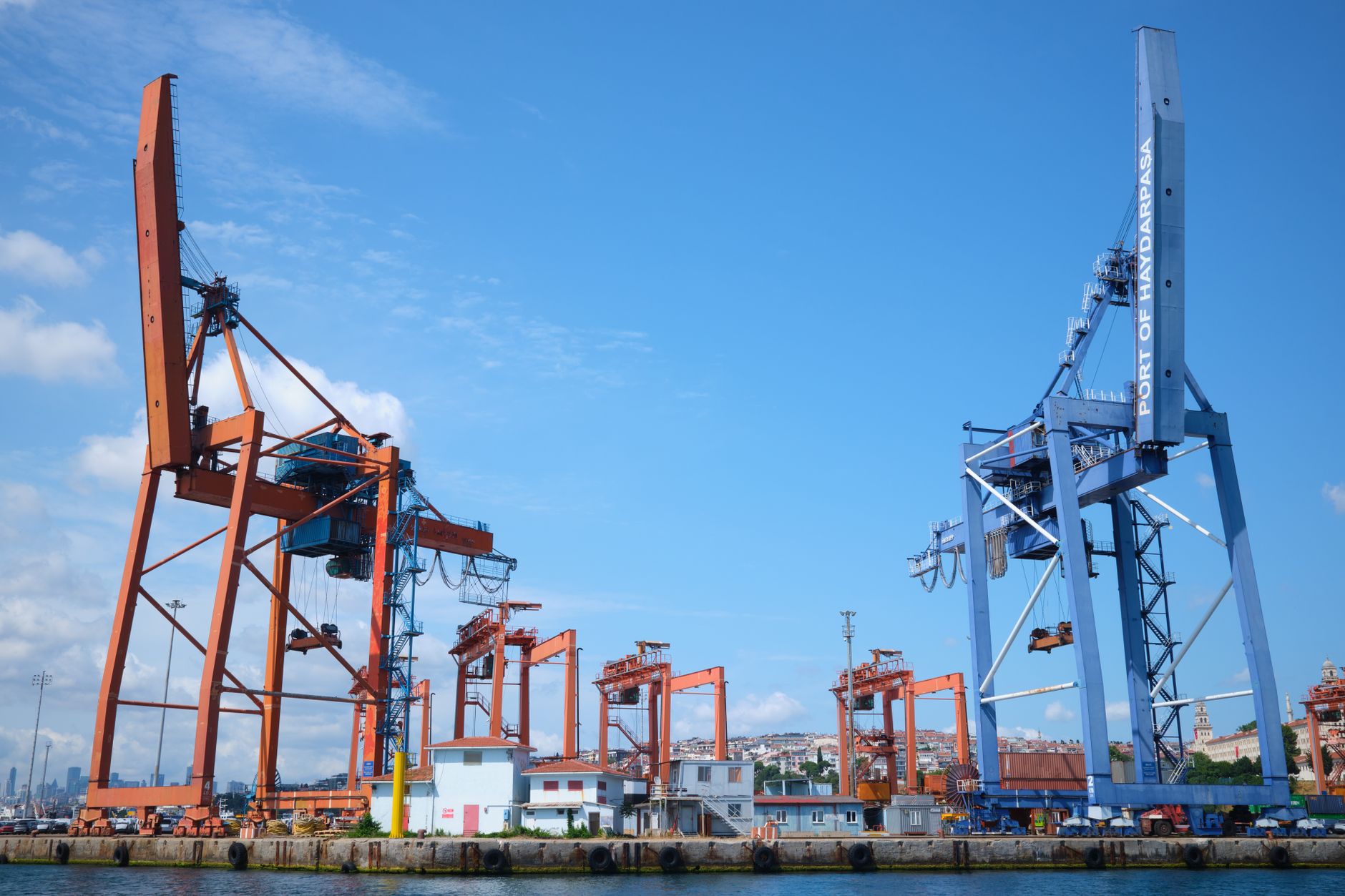
a nonprofit-led marina coalition on a New England island
How a New England Marina Coalition Removed 30,000+ Pounds From the Bay With Trash Skimmers
See how a New England waterfront coalition used four automated surface collectors to remove 30,000+ pounds of bay debris, much of it single-use plastic.
- 30K+ lbs
- debris out
- 4 units
- floats deployed
- 60-70%
- plastic share
- 24/7
- surface pull
Based on a documented real-world deployment. Figures are from public reporting; the organization is not named.
Floating litter that never clocks out
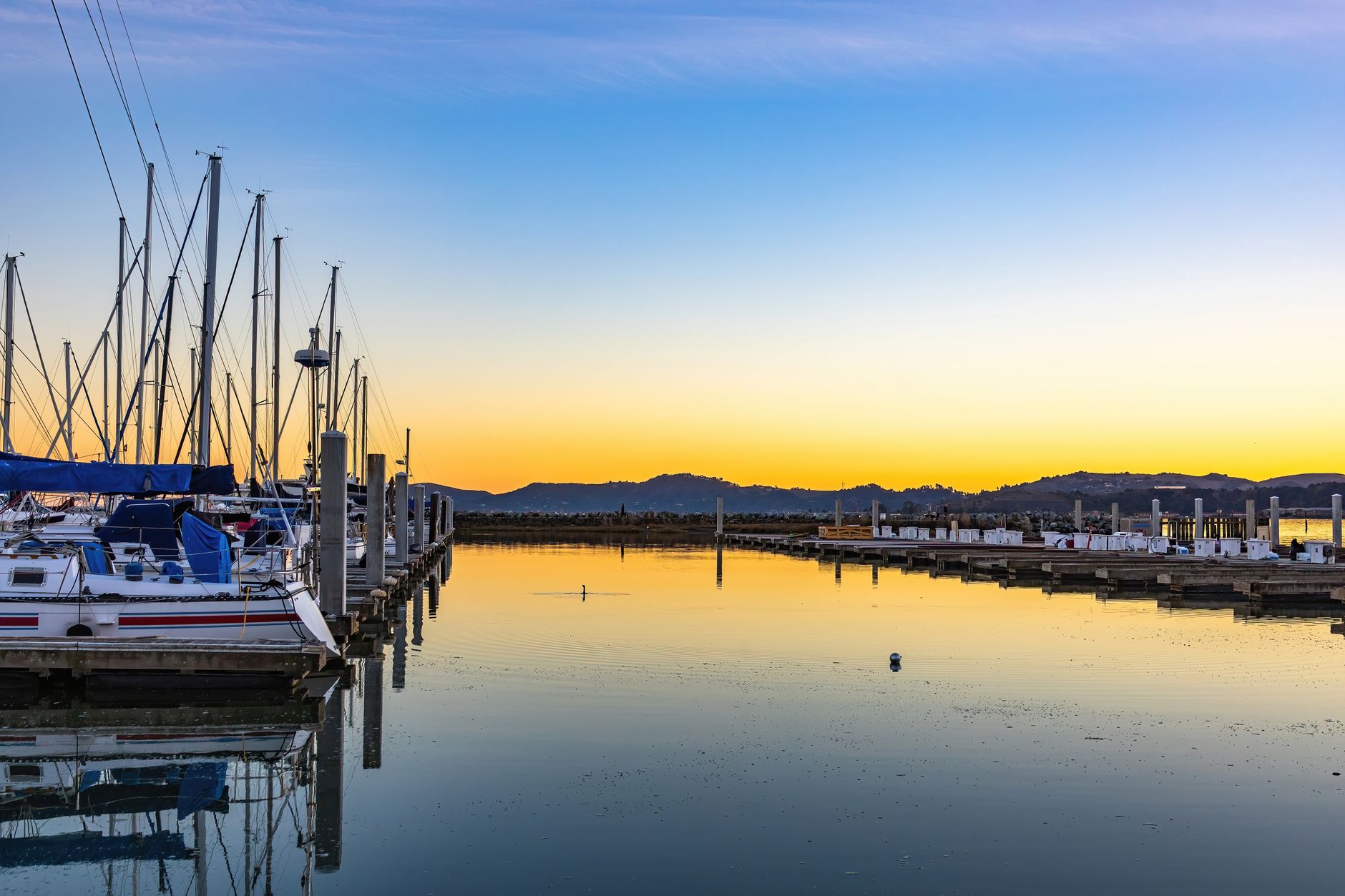
Slip holders on a New England island see bottles, foam, and organic mats collect along docks whenever wind and tide shift. Manual scooping ties up dockhands during peak guest hours and still misses debris that drifts between piers overnight.
A nonprofit-led waterfront coalition wanted continuous surface collection without adding full-time harbor staff. Leaders also needed a visible sustainability story for boaters who judge water clarity at the fuel dock.
- Weekend traffic leaves little time for hand nets at every pier
- Plastic fragments are hard to catch before they sink or break apart
- Seasonal kelp loads can overwhelm episodic cleanup crews
Automated collectors at multiple slips
The coalition placed four floating debris collectors across Aquidneck Island harbors, partnering with a local ocean-access nonprofit to site units where currents concentrate waste. Each unit runs as a quiet surface pump that traps floating material while staff empty bins on a daily rhythm.
Harbor teams logged what came aboard so managers could compare slips and adjust placement when wind patterns changed. The focus stayed on labor-saving collection, not replacing stormwater or bilge programs that still need separate controls.
- Four floats spread coverage instead of one central intake
- Daily emptying kept pumps flowing through peak boating season
- Nonprofit partners helped educate tenants on what the units capture
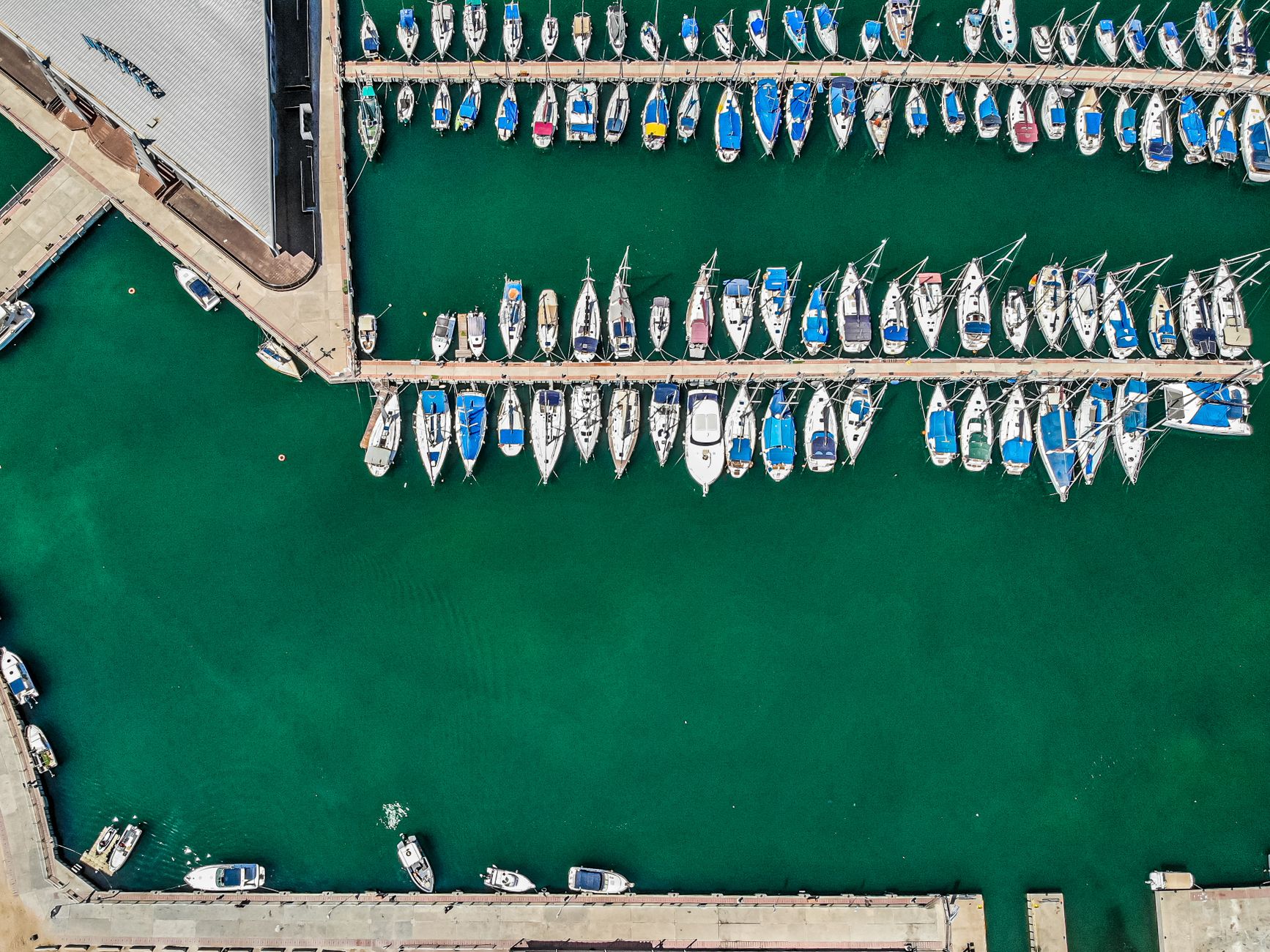
Measured debris removal at scale
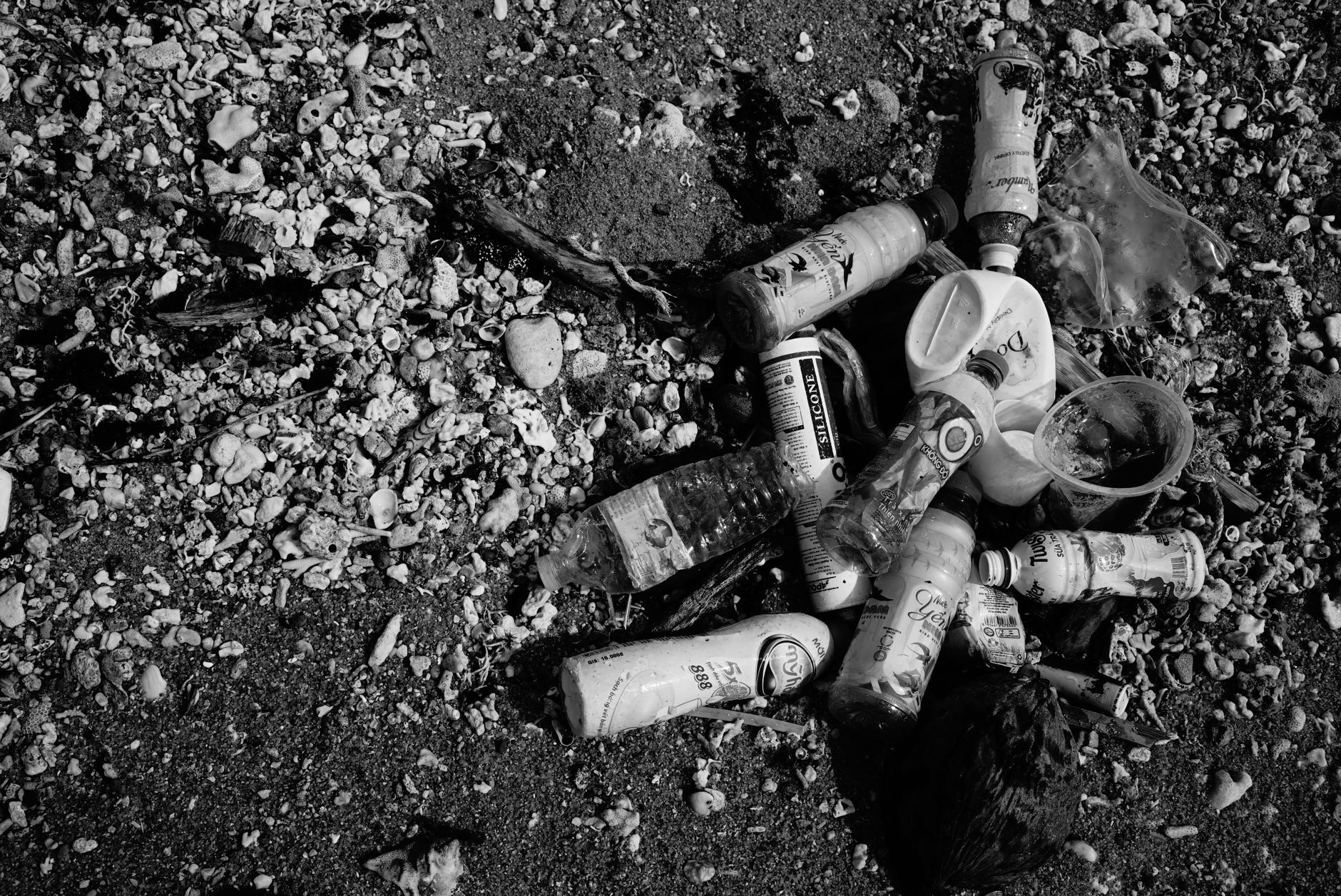
Published program reporting describes more than 30,000 pounds of debris removed from Narragansett Bay through the effort, a mass that would have demanded constant hand work to match. The same reporting notes roughly 60 to 70 percent of collected material was single-use plastic, the fraction most visible to guests along walkways.
Operators describe the floats as always-on surface collection that improves aesthetics while reducing how often staff chase windrows with nets. The coalition treats the data as proof that automated harbor robots can complement, not replace, divers and stormwater maintenance.
What this means for inspection and service robot rental
This is a documented environmental deployment, not a Service Robot Co. customer account. It still shows why waterfront operators compare specialized robots when repetitive surface work never ends.
US harbors, ports, and industrial sites evaluating inspection robot rental or cleaning automation can pilot one unit on a month to month plan before scaling floats across a basin. Service Robot Co. maps power, mounting, and service access, then backs uptime with nationwide on-site dispatch when a float or crawler needs attention.