
a high-volume ramen-chain location in metro suburbs
Ramen-Chain Delivery Robot Cut Serving Workload and Travel 50%
A documented ramen restaurant case study: a tray delivery robot halved serving workload and staff travel, helping the floor move faster at peak.
- 50%
- less serving load
- 50%
- less staff travel
- 2 hrs
- setup to go-live
- 2 to 1
- clearing trips
Based on a documented real-world deployment. Figures are from public reporting; the organization is not named.
Peak periods were eating the floor
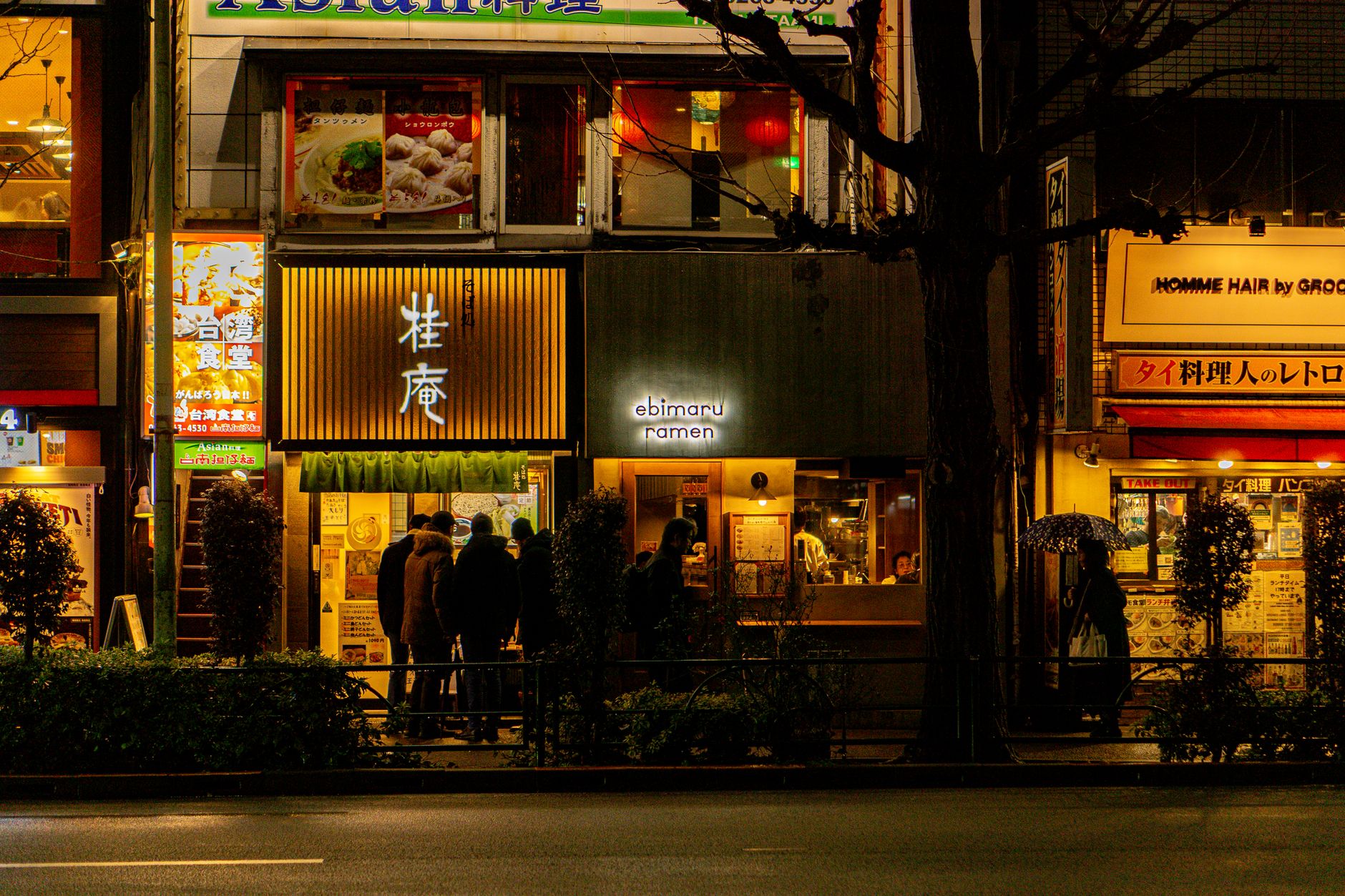
This was a fast-turn ramen operation in the metro suburbs, the kind of dining room where minutes disappear in the walk path between kitchen, table, dish station, and register. Staff were not just greeting and resetting tables. They were carrying a steady stream of bowls out and used dishes back, which turned routine transport into a drag on the whole shift.
The source case frames the pain clearly. Delivery and clearing volume per worker had become burdensome, and food runs sometimes pulled people away from the register long enough to make guests wait. In a concept that depends on brisk turns, that is not a minor annoyance. It is a flow problem.
- Serving and bussing work absorbed too much staff time
- Register coverage could slip when plates had to be run
- Table resets and guest flow competed with repetitive transport
A narrow, practical first deployment
The restaurant introduced a tray delivery robot for the most repeatable floor work first: running ramen and set meals to tables, then carrying used dishes back. That matters. The robot was not dropped into every task at once. It was assigned to the corridors and handoffs that consumed the most steps.
The documented rollout was fast. On-site setup finished in about 2 hours, and the team was able to operate the robot that same morning. Guests still lifted dishes from the tray at the table, while staff used the freed-up minutes for register coverage, clearing, and resets.
- Start with plate delivery and dish returns
- Set up the unit in about 2 hours
- Keep the handoff simple at the table
- Use reclaimed time for register, clearing, and resets
Half the carrying, better flow at the front
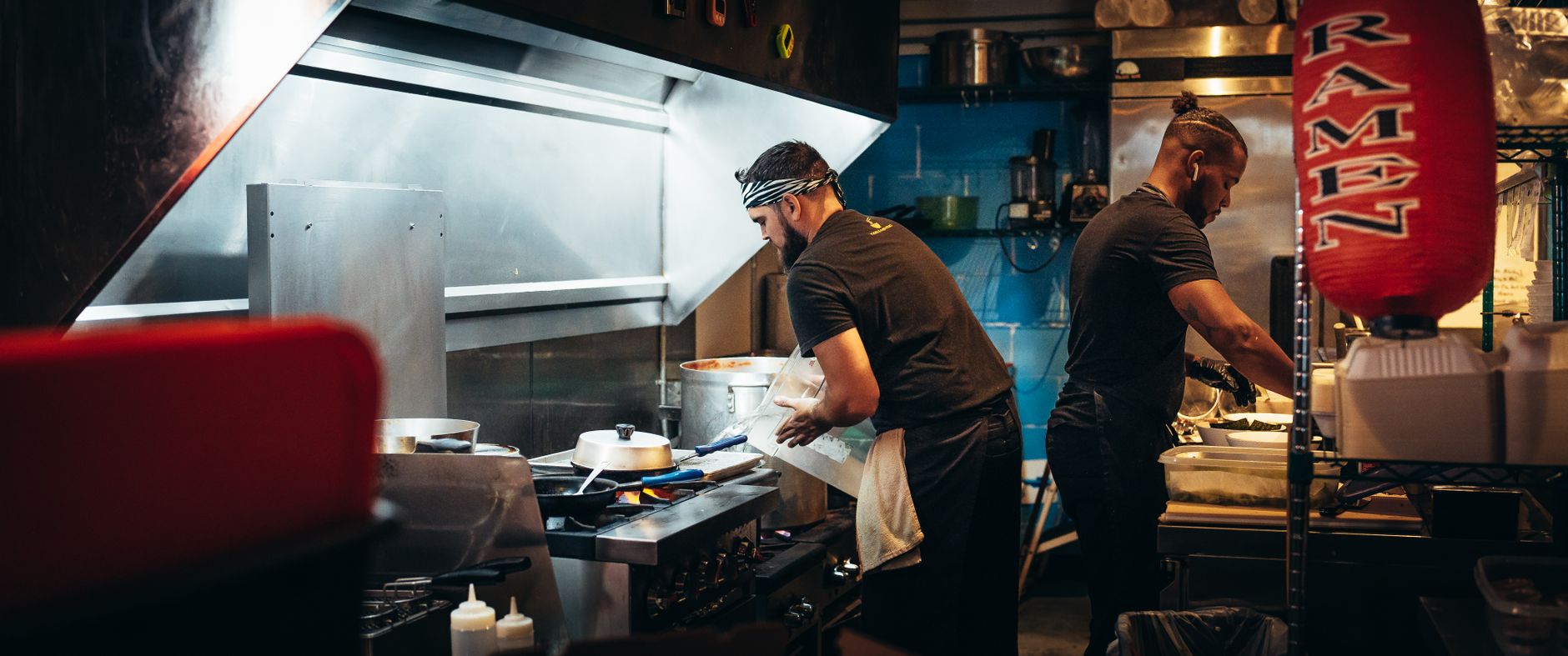
The headline result is precise and unusually practical. The source reports that staff delivery volume and travel distance were both cut by 50%. In the store's own example, clearing a four-person table dropped from 2 trips to 1 when the second load went on the robot, which also cut the time for that reset in half.
That change mattered beyond ergonomics. While the robot handled a run, staff could clear tables or work the register instead of being trapped in the aisle. The source also reports improvement in average guest count, guests served per labor hour, and seat turnover, which fits the basic operating logic of a food running robot in a fast-turn dining room.
What this means for restaurant operators
This is a documented market example, not a Service Robot Co. deployment. Its value is operational. When a ramen or casual dining floor keeps tripping over the same transport loops, a restaurant delivery robot lease or food service robot leasing program can protect the people-facing work that actually sets the pace of service.
Service Robot Co. is a full-service, OEM-neutral commercial robot integrator for U.S. businesses. We help operators choose the right food running robot, server assistant robot, or busser robot across manufacturers, then handle financing, robot deployment and integration, training, and ongoing service through one partner for the full lifecycle. For buyers weighing purchase or lease, robot leasing for business, or leasing, that means one vendor accountable after go-live too.