a contract cleaning team serving the non-Schengen zone of a major Nordic international airport
How a Nordic Airport Terminal Cut Daily Floor Scrubbing Labor About 90%
A documented Nordic airport non-Schengen terminal cut manual floor scrubbing about 90%, reclaimed five hours a day, and cut water use 70% with one autonomous scrubber.
- 90%
- Manual labor cut
- 5 hrs
- Time back daily
- 70%
- Less water used
- 13K m²
- Floor zone covered
Based on a documented real-world deployment. Figures are from public reporting; the organization is not named.
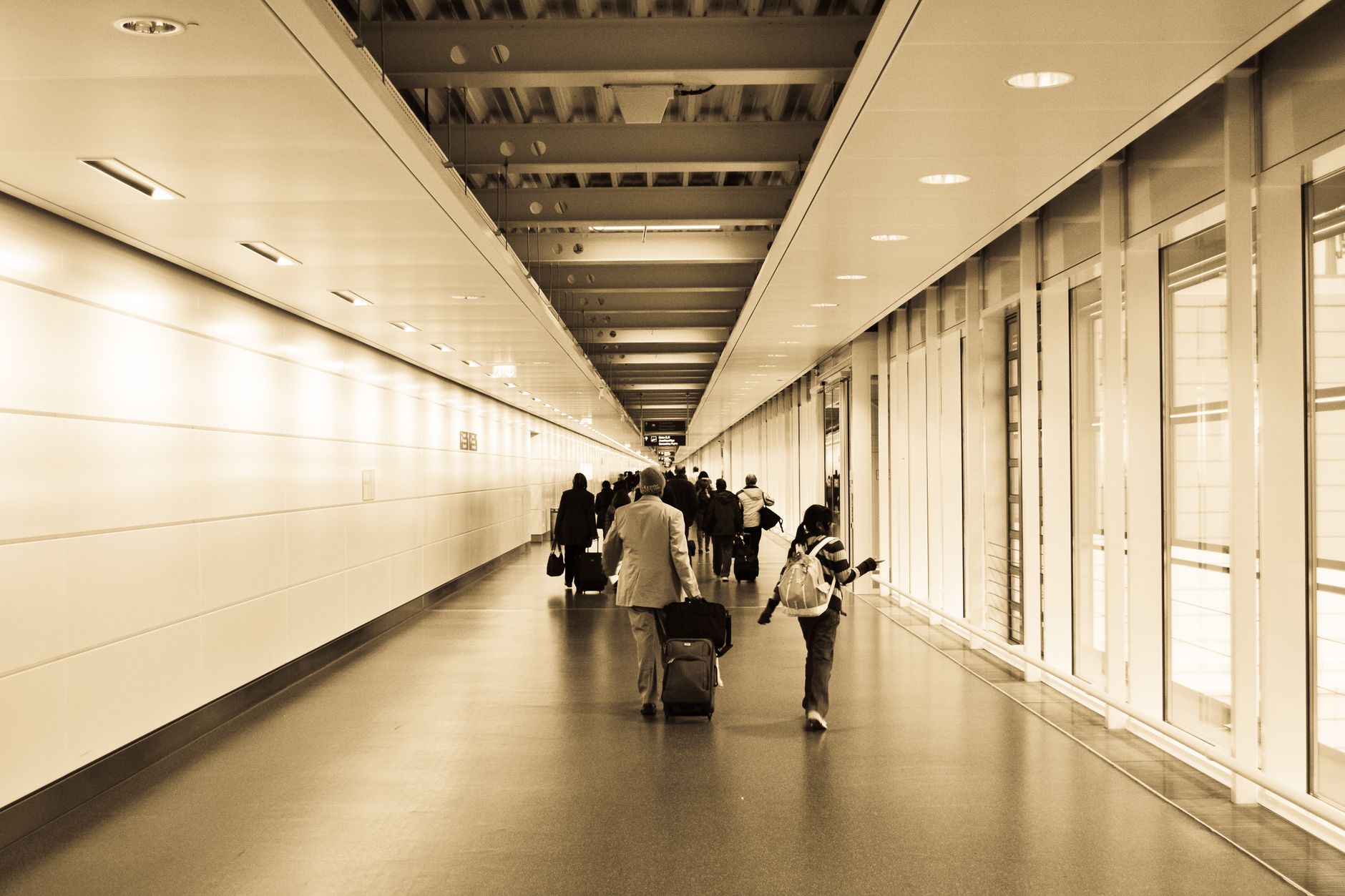
Higher hygiene proof on a huge passenger floor
After the pandemic, travelers wanted visible proof that airport floors were cleaned, not just wiped down between peaks. A contract cleaning team serving the non-Schengen zone of a major Nordic international airport faced that pressure on roughly 13,000 square meters of hard flooring.
Clients asked the crew to do more detailed sanitation while still covering the full zone. The team also had sustainability targets, so any new equipment had to cut water use, not just headcount.
- Passengers expected consistent, verifiable floor care in a high-traffic international zone
- Manual scrubbing alone consumed hours the same staff needed for touchpoint disinfection
- Eco goals ruled out simply adding more machines and more water
One daytime autonomous scrubber on the non-Schengen loop
In May 2021 the contractor added a single large autonomous floor scrubber to the existing cleaning plan for the non-Schengen terminal. The unit scrubbed and dried in one pass, running a daytime shift while passengers were present but escorted by signaling and obstacle detection.
Operators mapped the 13,000 square meter route, then ran the machine about five to six hours per day. Staff kept control through an onboard touchscreen or a phone, and used run reports to show which areas were completed.
- Pilot the scrubber on the full non-Schengen hard-floor footprint
- Train cleaners to launch, monitor, and read coverage reports
- Pair robot passes with human work on rails, seating, and high-touch surfaces
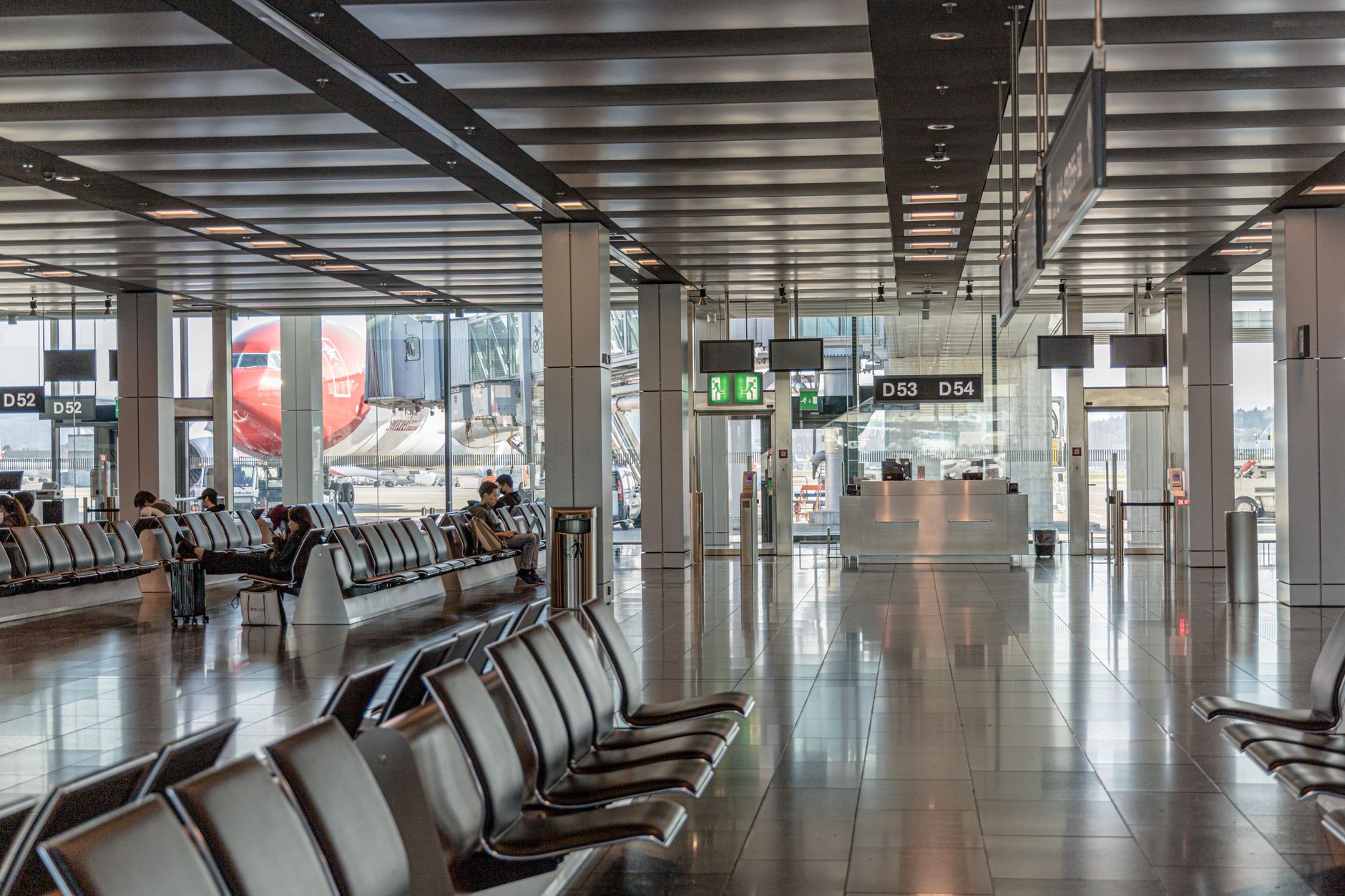
Five hours of scrubbing handed back every day
Published results from the deployment report about 90% of manual floor-scrubbing labor removed in that zone. Human floor work dropped from roughly five hours per day to about 30 minutes spent partnering with the robot on touch-ups and transitions.
The same source cites a 70% reduction in water consumption thanks to onboard filtration and reuse during scrub cycles. The machine covered the 13,000 square meter area over a five to six hour daily shift, leaving crews more time for detailed sanitation work passengers actually notice.
What this pattern means for U.S. airport and terminal operators
This is a documented real-world example, not a Service Robot Co. client story. It still shows what a vendor-neutral integrator can replicate: match scrubber size to real aisle geometry, run a phased pilot on one concourse, and tie reporting to the hygiene proof regulators and passengers now expect.
Service Robot Co. selects autonomous scrubbers across manufacturers, then handles financing, mapping, training, and nationwide service. A free site assessment is the practical first step when a terminal needs airport cleaning robot rental or lease options without betting on a single brand.