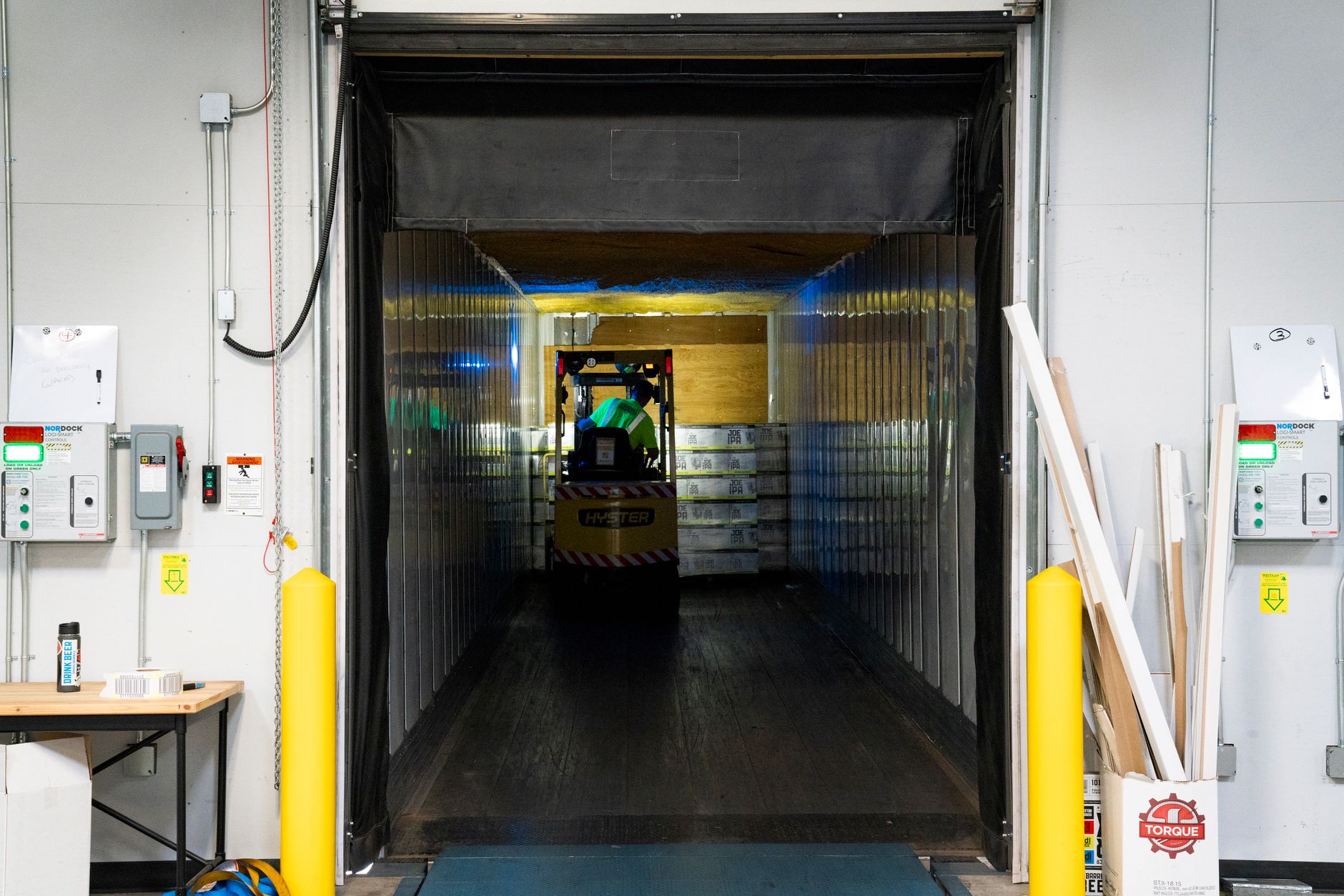
a global automotive manufacturer moving materials between production and robotic welding cells across multiple North American plants
How a North American Auto Plant Reached 98% Mission Success With 36 AGV Forklifts
A global automaker deployed 36 autonomous forklifts across two plants, reporting 98% mission success on more than 200 routes with 24/7 material flow.
- 98%
- Mission success
- 36
- AGV forklifts
- 200+
- Unique routes
- 24/7
- Operation
Based on a documented real-world deployment. Figures are from public reporting; the organization is not named.
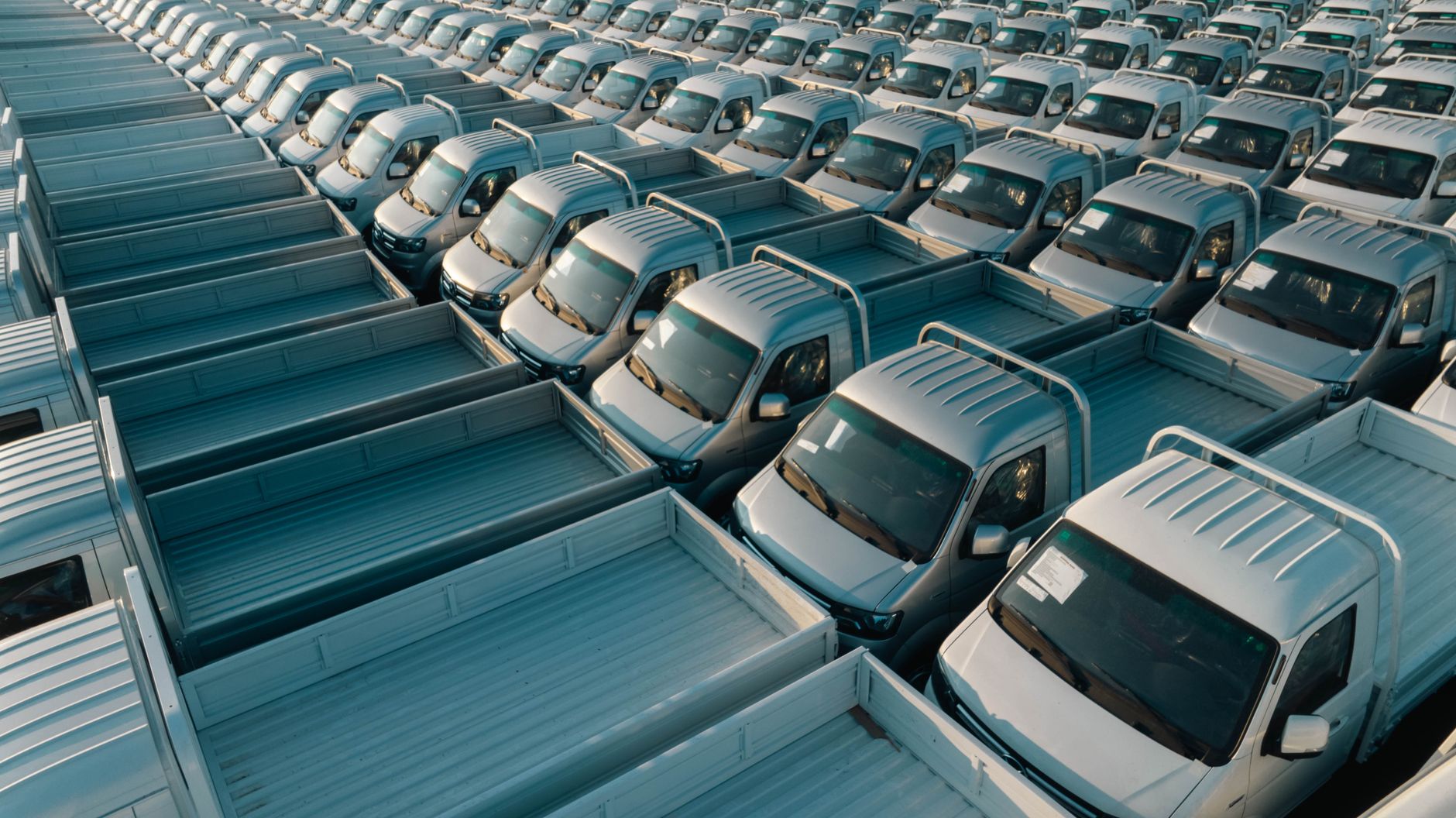
Manual forklifts could not keep welding cells fed
A global automotive manufacturer moving materials between production and robotic welding cells across multiple North American plants needed steadier internal transport without adding forklift traffic in busy aisles. Manual lifts introduced staffing variability, safety exposure, and delays when routes changed with production.
The program targeted eight production facilities overall, with two flagship sites receiving a full autonomous mobile robotic rollout while other plants joined a broader AGV program. Brownfield floors, uneven surfaces, and robotic cell docking tolerances made this more than a plug-and-play fleet purchase.
- Heavy reliance on manual forklift moves to welding cells
- Safety and staffing variability across shifts
- Uneven floors and dynamic layout changes in live plants
- Need for precise docking without human handoffs
Fleet design tuned to each brownfield site
An integration partner engineered routes, dispatch logic, and safety fields around real tasks between production areas and robotic welding cells. Counterbalance autonomous forklifts were configured with navigation parameters and pitch adjustment for floor variability and mixed traffic.
Commissioning ran under live production at a legacy manufacturing site with 25 vehicles and an electric vehicle facility with 11 units, 36 forklifts total on the two flagship deployments. Teams validated docking and handoffs to robotic cells, iterated maps as layouts shifted, and trained operators and supervisors for day-to-day fleet management.
- Route and workflow design across brownfield and greenfield areas
- Custom safety fields and pitch settings for floor conditions
- 25 AGVs at a legacy plant and 11 at an EV plant
- Operator training and onsite commissioning support
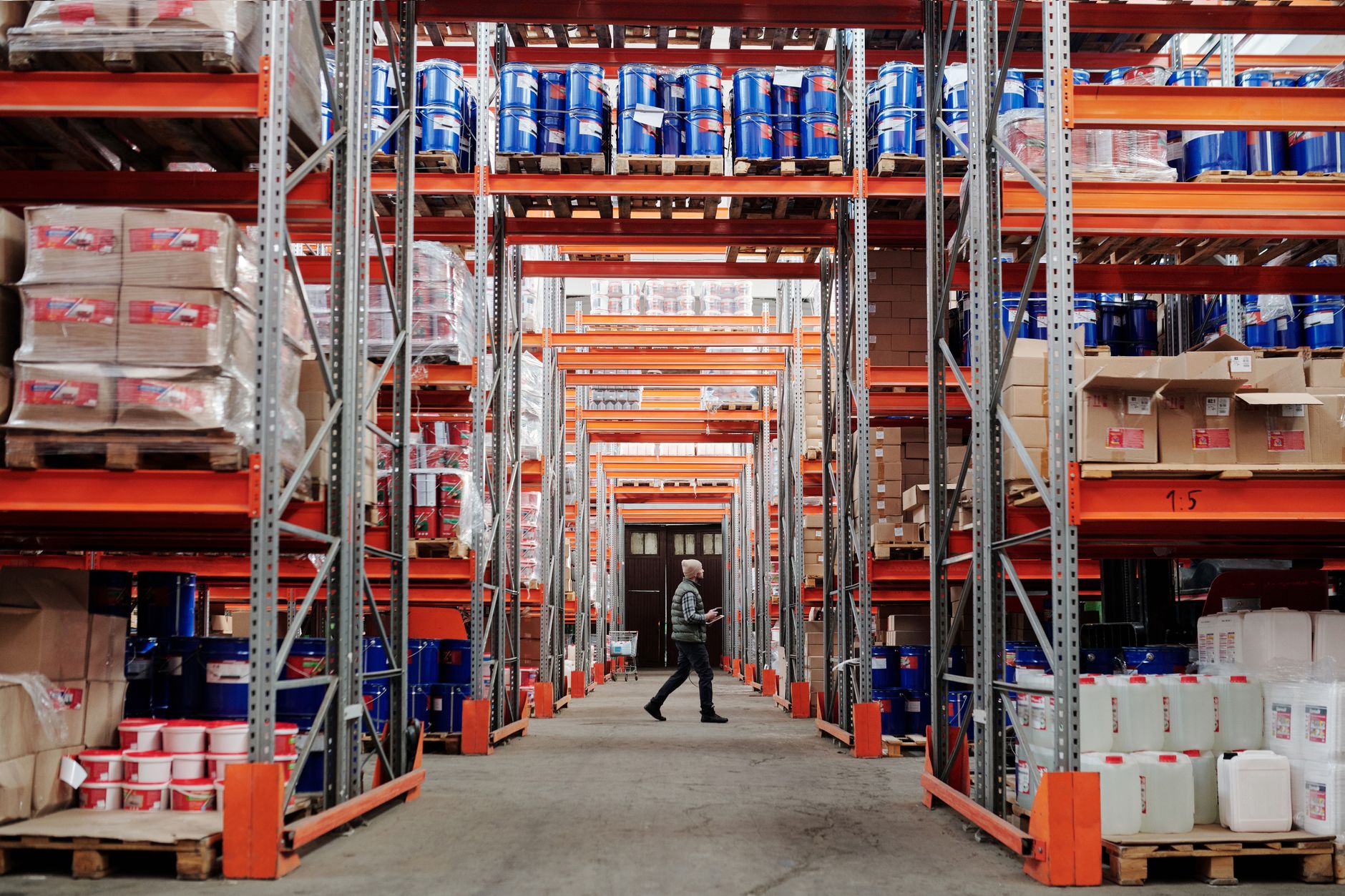
Reliable round-the-clock material flow
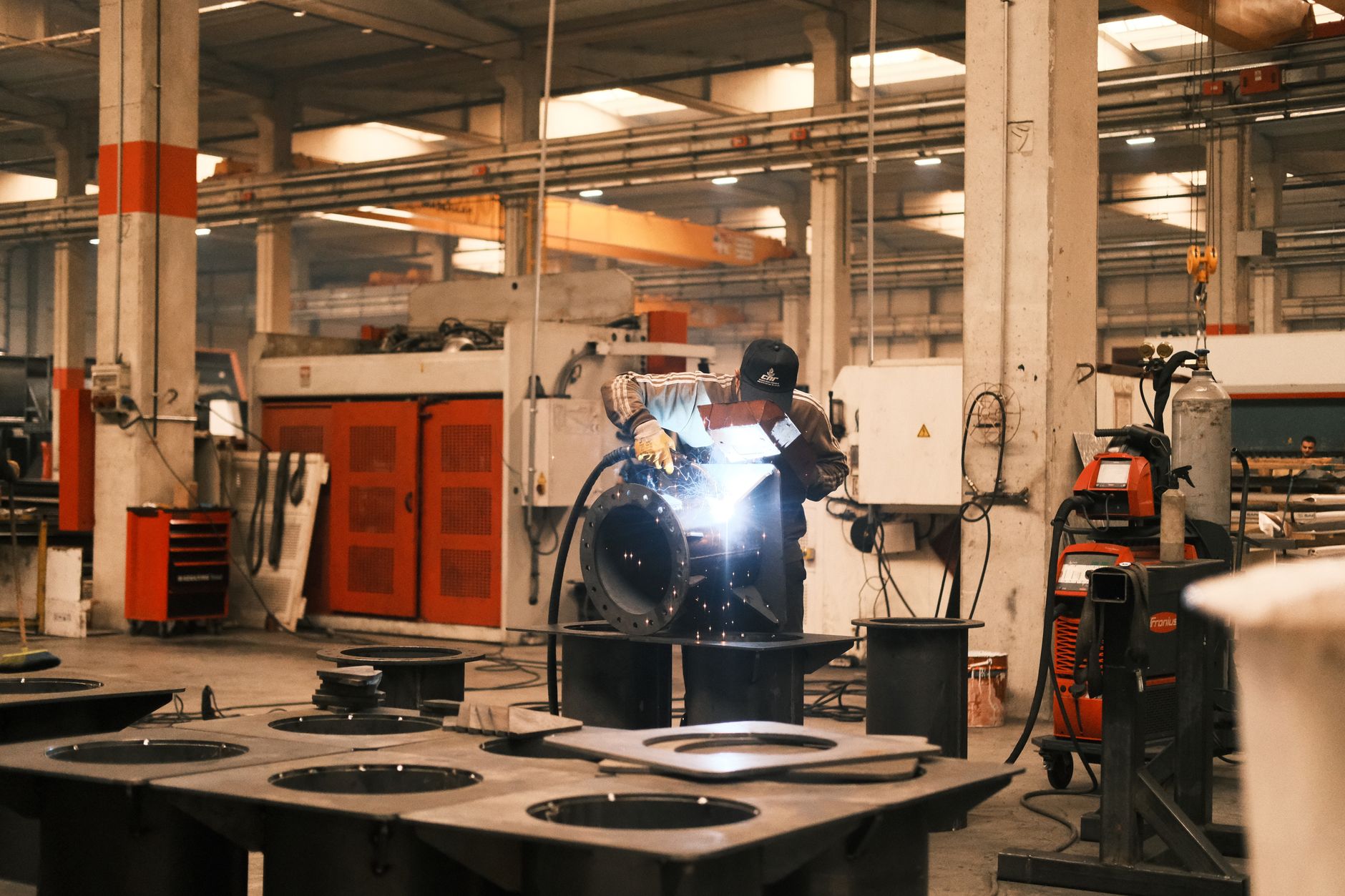
The published deployment reports a 98% mission success rate across the autonomous forklift fleet while operating 24/7. More than 200 unique routes met cycle-time requirements after maps, safety zones, and dispatch logic were tuned to each facility.
Material now moves to robotic welding cells with validated docking and no human interaction at the handoff point. Onsite technicians and remote fleet analytics supported updates as layouts evolved, preserving uptime after go-live.
What auto and heavy manufacturing sites can expect
When welding cells starve for parts, autonomous forklift AGV rental or purchase can remove the variability of manual traffic while keeping night and weekend coverage. Service Robot Co. is vendor neutral: we match the right AMR or AGV to your aisles, then finance, deploy, integrate, train, and service through regional engineers in all fifty states.
A phased robot pilot program on one plant corridor lets you prove mission success before you scale past the first 25 units. One partner and one number covers site assessment, safety validation, maintenance plans, and emergency dispatch when a backup vehicle matters on a 24/7 line.