
a large North American food distribution center handling refrigerated and dry goods
How a Food Distribution Center Cut Daily Floor Scrubbing From Hours to Under 45 Minutes
A North American food DC cut daily scrubbing from 2 to 4 hours to 30 to 45 minute autonomous runs, with 110+ hours and 2.4M sq ft cleaned.
- 30-45 min
- Routine autonomous clean
- 2-4 hrs
- Daily manual scrub before
- 110+ hrs
- Autonomous runtime logged
- 2.4M sq ft
- Cleaned autonomously
Based on a documented real-world deployment. Figures are from public reporting; the organization is not named.
Audit-ready floors with too few maintenance hours
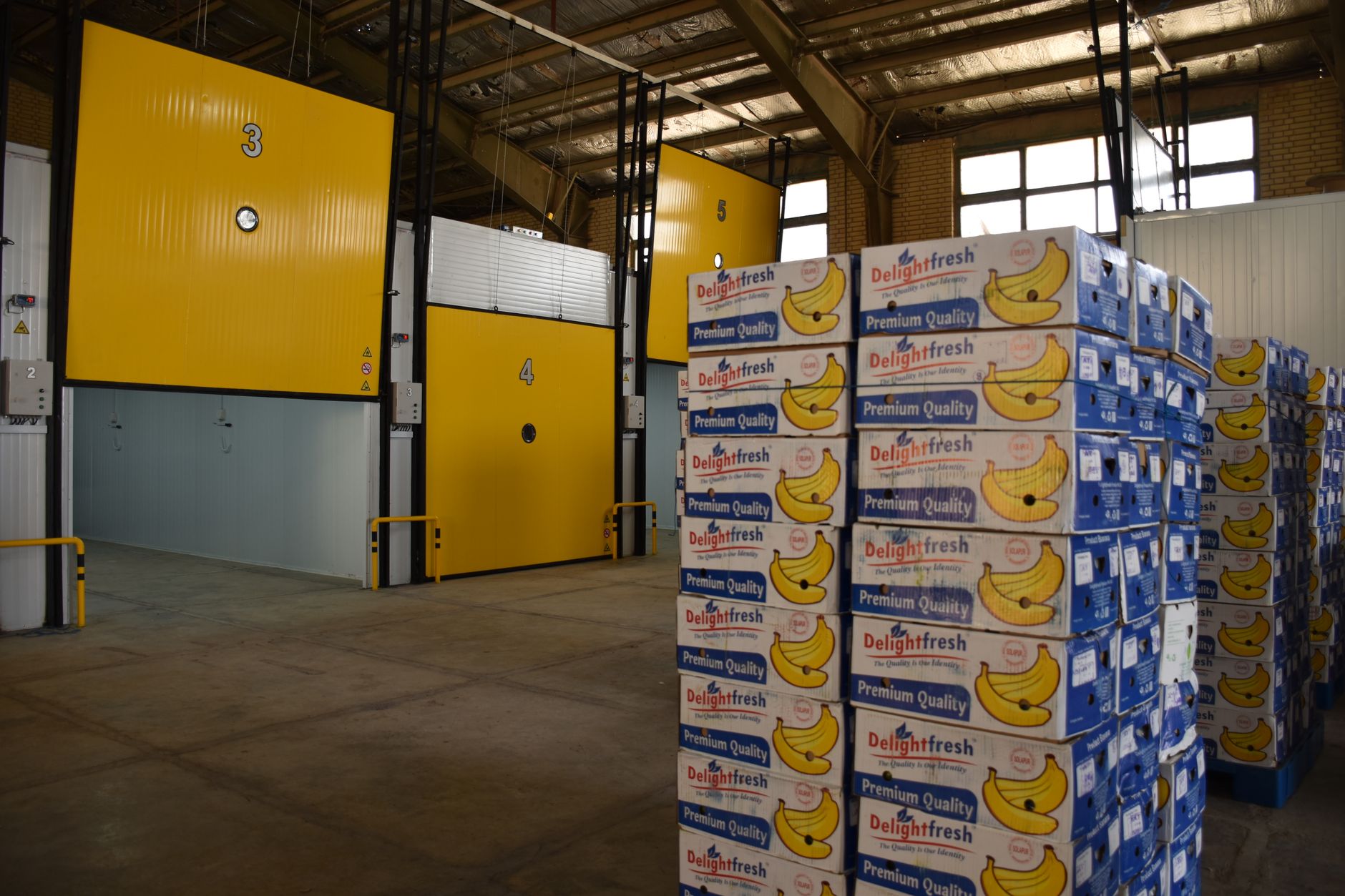
In a food distribution center that moves beef, pork, fish, and dry goods through refrigerated and ambient zones, floor condition is not cosmetic. Auditors expect consistent cleanliness, and debris on wet floors creates safety and equipment wear risks.
The site relied on a manual ride-on scrubber that tied up maintenance technicians for two to four hours on a typical day, and that window did not include deeper scrub cycles. Those same technicians were responsible for preventive maintenance, refrigeration equipment, and conveyor reliability.
- Manual scrubbing pulled skilled techs off higher-value maintenance work
- Cleaning time varied with operator availability and shift overlap
- Reporting for internal audits depended on inconsistent manual logs
Autonomous scrubbing before the first shift
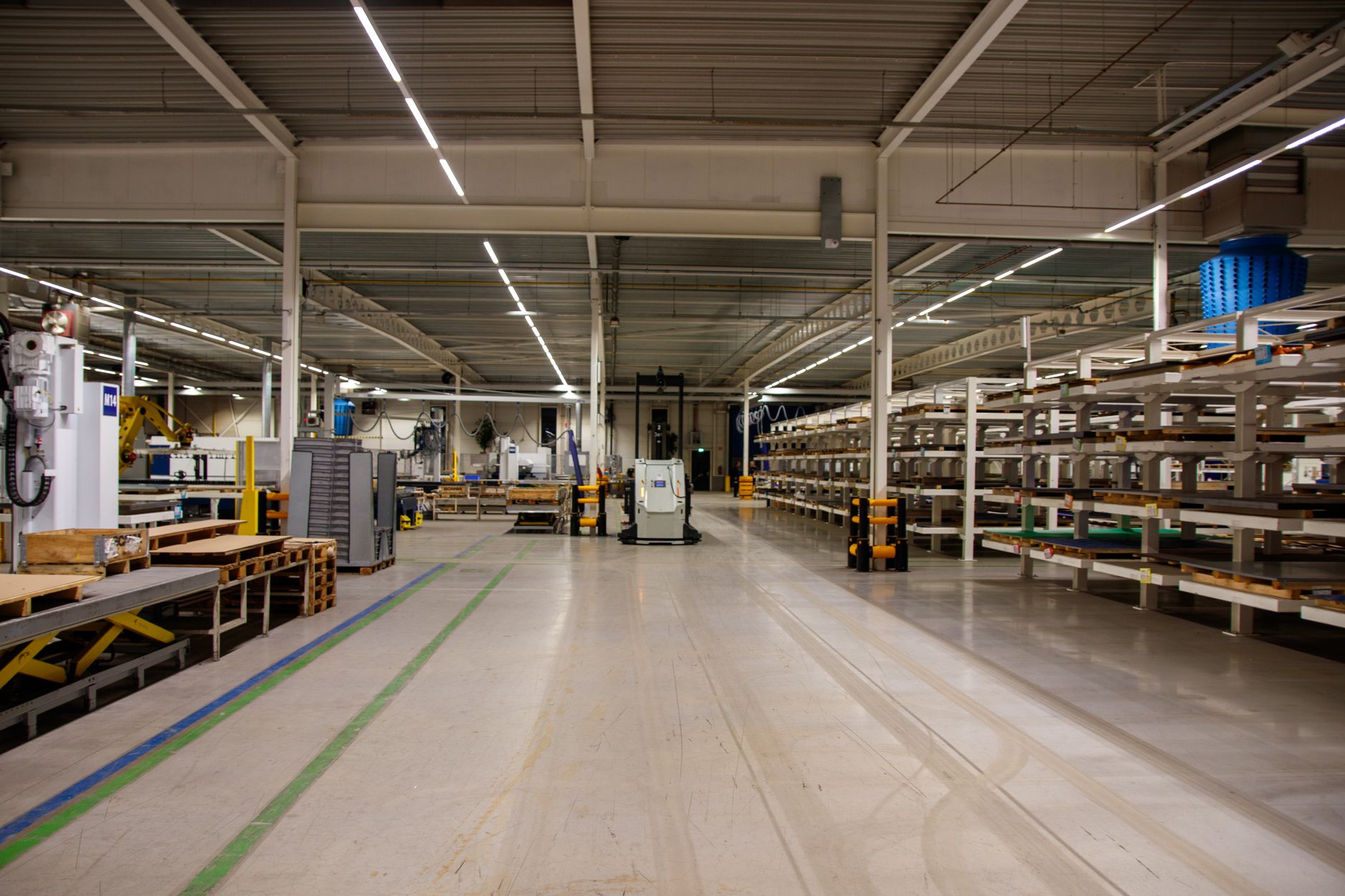
Leadership evaluated autonomous industrial scrubbers that could run without an operator on the floor, produce machine-level reporting, and receive software updates as the fleet matured. The selected unit was sized for wide aisles and mixed storage layouts typical of food distribution.
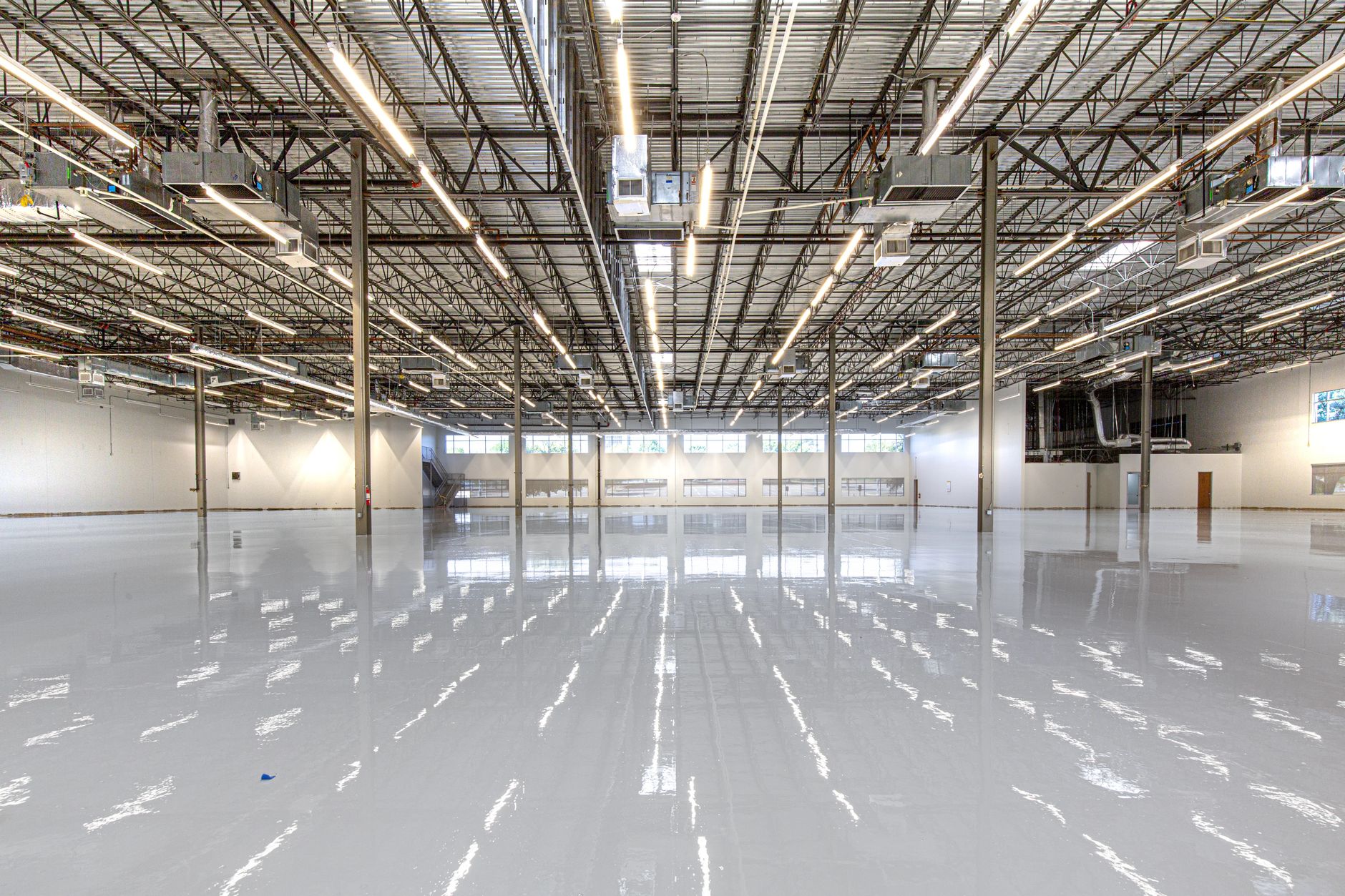
The team scheduled routine autonomous runs to finish in 30 to 45 minutes before employees arrived, so floors were dry and presentable at shift start. Larger deep-clean cycles were planned at roughly 90 minutes when traffic was lowest.
- Mapped high-traffic refrigerated and dry storage routes
- Trained maintenance on start, pause, and recovery procedures
- Used daily machine reports to support internal audit documentation
Measured labor return and cleaner traffic paths
After deployment in 2024, the maintenance manager reported that a task that once required two to four hours of operator time on a regular day now runs autonomously while the team focuses on machinery repairs and preventive work.
The autonomous scrubber has logged more than 110 hours of autonomous runtime, with more than 2.4 million square feet cleaned without manual operation. Staff also noted fewer cleaning supplies consumed, less wear on cleaning equipment, and less debris tracked into other areas, which reduced tire damage on mobile equipment.
What this pattern means for multi-site operators
Food distribution networks rarely fail on robot specs alone. They fail when cleaning robots are chosen without matching aisle geometry, drainage, and audit documentation needs across refrigerated and dry buildings.
Service Robot Co. helps US operators compare OEM-neutral autonomous scrubbers, structure financing, deploy with local engineers, and keep service coverage aligned as autonomous hours scale. The goal is the same outcome shown here: reclaim technician hours without weakening audit readiness.