a leading international airport in North America managed by a major aviation facilities contractor
How a North American International Airport Saved $120,000 a Year With Scrubbers
A 42-day autonomous scrubber pilot at a major international airport logged 230+ cleaning hours across 2.4M sq ft and led to two purchases with $120K annual labor savings.
- $120K
- labor savings
- 230+ hrs
- pilot cleaning
- 2.4M sf
- floors cleaned
- 14 mo
- full ROI
Based on a documented real-world deployment. Figures are from public reporting; the organization is not named.
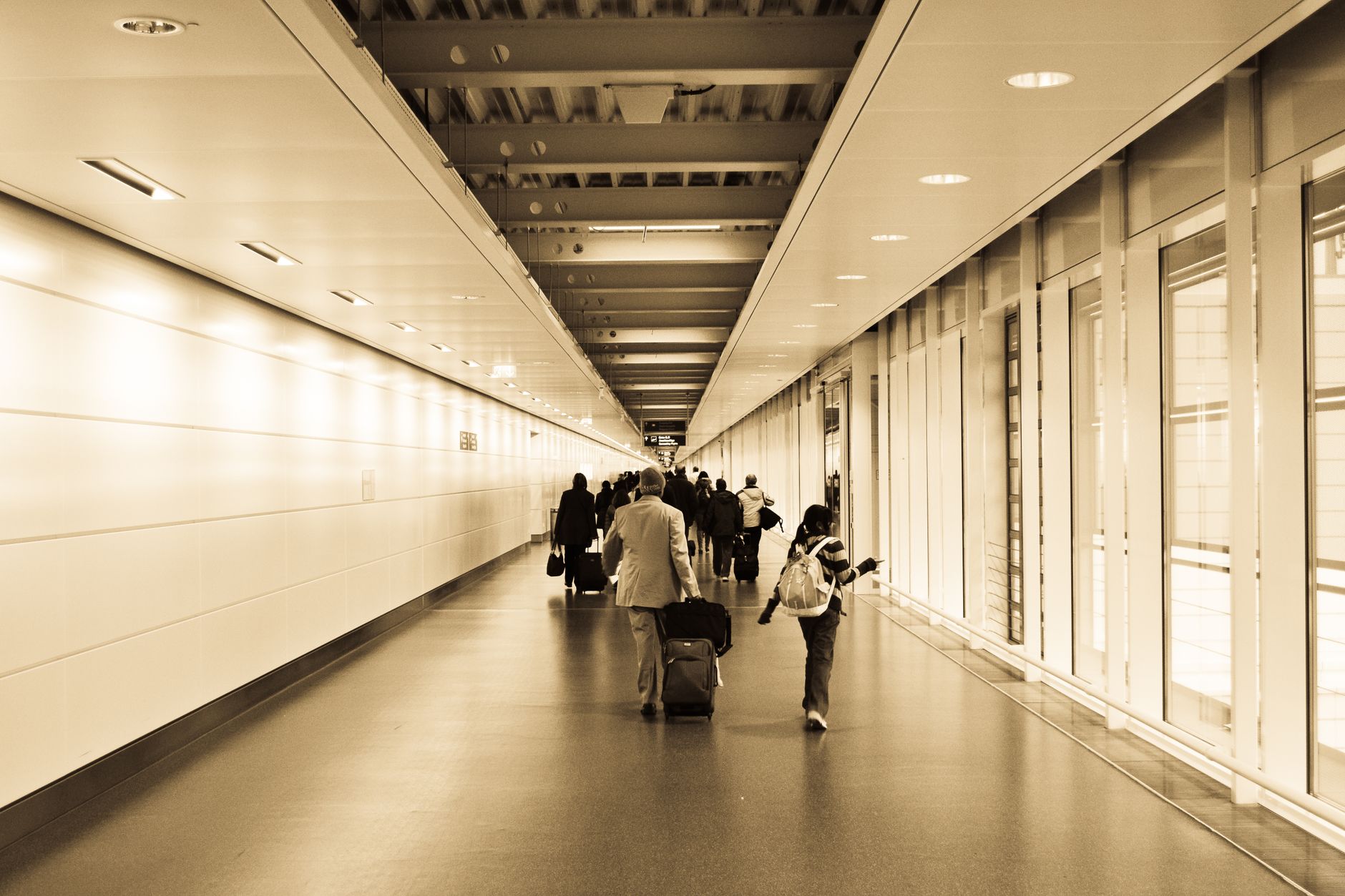
Terminal floors outpaced the overnight crew
A leading international airport in North America relies on a major aviation facilities contractor to keep concourses, gates, and connector corridors presentable for tens of millions of passengers each year. Hard floors stay under constant foot traffic, spill risk, and rolling luggage wear.
Staffing gaps made it harder to hold the same scrubbing cadence on wide open gate areas and long connector runs. Supervisors needed predictable coverage without adding another full overnight roster on every peak travel week.
Leadership wanted proof that autonomous scrubbing could match manual quality on real terminal geometry before capital landed on the balance sheet. The bar was measurable square footage, logged hours, and a credible labor model tied to the pilot.
- High-traffic hard floors across gates and connectors
- Staffing pressure on overnight cleaning teams
- Need for verified productivity before buying equipment
A 42-day scrubber field test on live concourses
The contractor hosted a field test of an AI-navigated autonomous scrubber with a wide cleaning path and adaptive routing. The machine ran in active terminal zones while the team tracked hours, coverage, and passenger reaction during the six-week window.
Operators mapped routes with vendor support, then let the unit repeat scrub cycles while human crews shifted to detail work, restrooms, and high-touch surfaces. Pricing and performance data from the pilot fed a business case for permanent deployment.
Passenger curiosity became a side benefit. Travelers frequently stopped to photograph the scrubber, which signaled visible modernization without closing concourses for a traditional deep scrub crew.
- 42-day live terminal field test
- AI-driven navigation on wide hard-floor paths
- Pilot metrics tied to staffing and pricing models
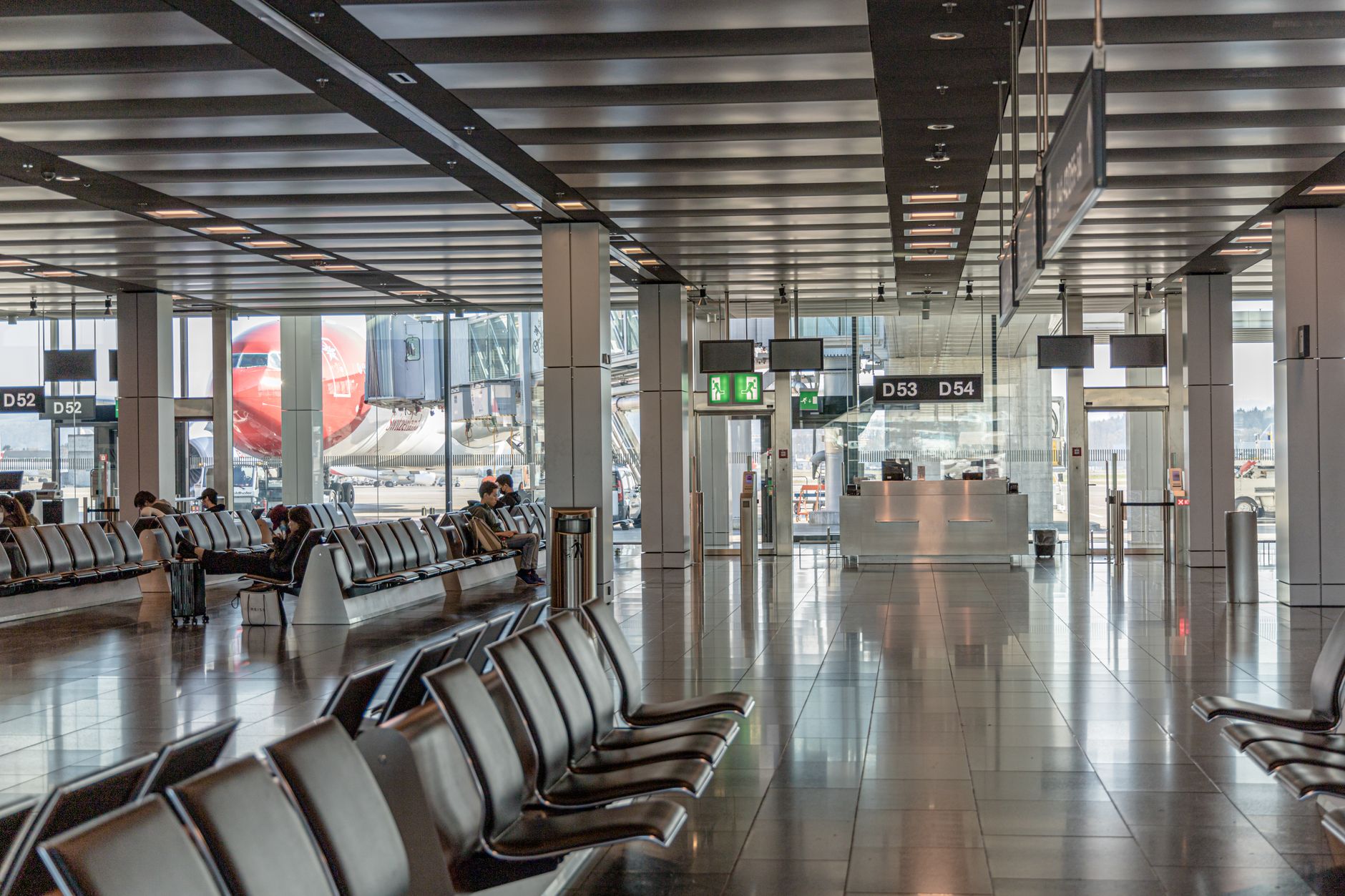
Logged hours, square footage, and a clear payback window
The pilot recorded more than 230 hours of autonomous cleaning and 2.4 million square feet scrubbed across the test period. Reported productivity reached about 10,735 square feet per hour on the routes that were measured during the evaluation.
Based on those results, leadership estimated about $120,000 in annual labor savings from shifting repetitive scrubbing off human crews. The airport purchased two scrubber units after the trial, with full return on investment projected within 14 months of purchase.
The outcome gave facilities managers a defensible template: run a timed pilot, compare autonomous hours to manual schedules, then scale with a small fleet instead of guessing on headcount alone.
What US airports and large venues can copy
Terminals, convention halls, and hospital campuses share the same math: wide hard floors, tight overnight windows, and hiring friction on janitorial roles. Airport cleaning robot rental or autonomous floor scrubber rental lets you prove routes before you buy two or more units.
Service Robot Co. stays vendor neutral across scrubber platforms, then handles finance, deployment, mapping, and nationwide maintenance. Month to month commercial cleaning robot rental fits busy seasons when you need overnight cleaning with no operator tied to every aisle.
Start with one concourse or connector that already misses the scrub schedule. Log square feet per hour and crew hours freed, then expand with phased deployment and go live support instead of betting the whole terminal on day one.