
a North Dakota public school district that piloted a robotic mower at one high school and then expanded to 43 units
Robot Mowers Scale From One High School Pilot to 43 Units, Projected $62,000 a Year
A North Dakota school district piloted robotic mowers at one high school, then grew to 43 units. The $62,000 a year is projected, not measured.
Deployment at a glance
- 43
- Mowing units in the fleet after the pilot expanded
- $62,000
- Projected yearly savings, a district estimate, not measured
- 1
- High school pilot run before the district expanded
Based on a documented real-world deployment. Figures are from public reporting; the organization is not named.
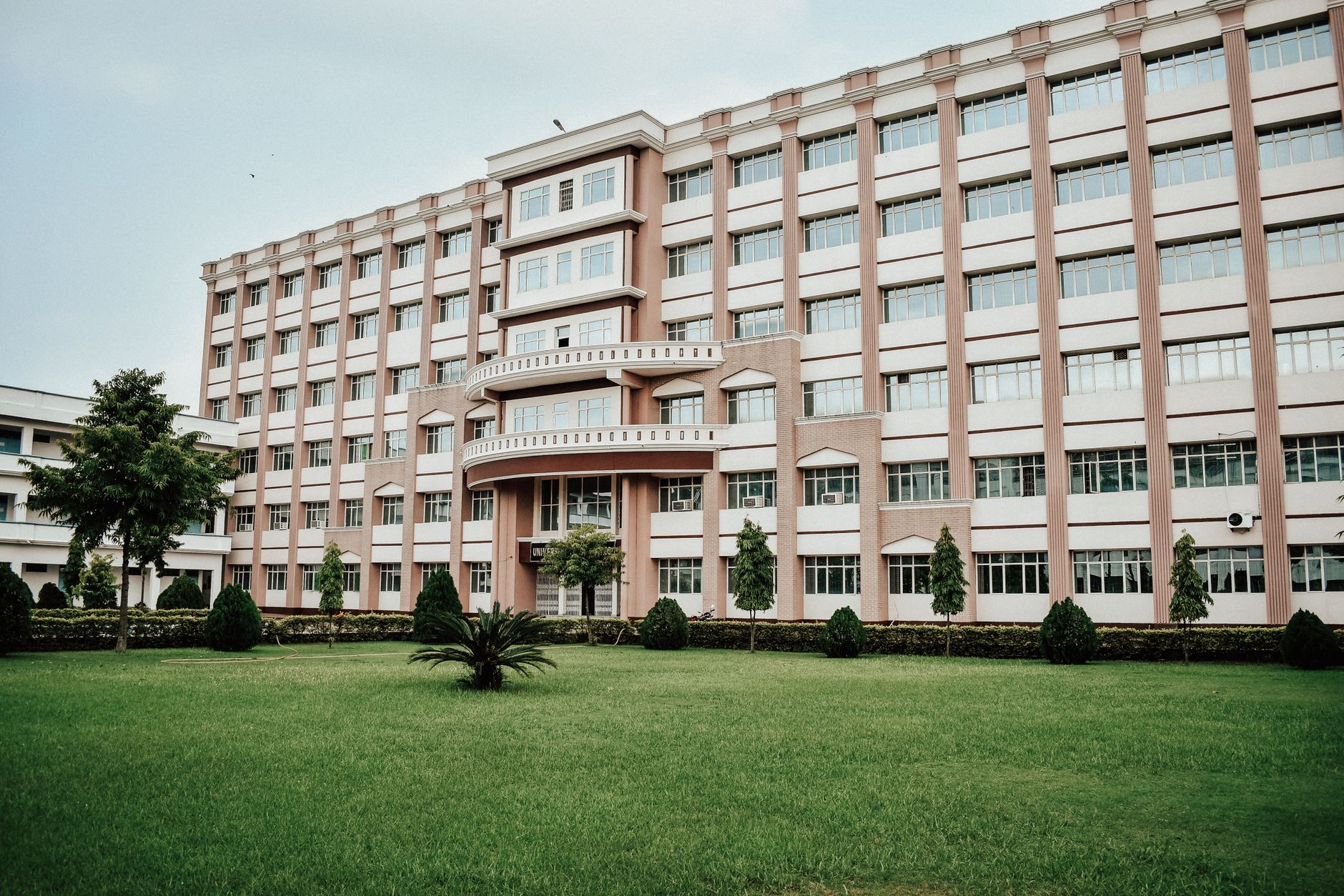
Mowing Across a Campus Eats Crew Hours
Grounds on a school district campus rarely resemble a single lawn. Athletic fields, lawns around buildings and open turf all compete for the same small groundskeeping crew, and the mowing calendar keeps running regardless of what else is on the work order.
The district set a clear goal: reduce mowing hours for its groundskeepers and custodial staff. Every hour a person spends behind a mower is an hour not spent on other site work, so any machine that takes over a share of that mowing has to earn its place in the weekly plan.
A decision at this scale is hard to make from a brochure. Grounds managers need to see how a fleet changes crew hours across the whole property, not just how one machine handles a flat patch of turf on a good day.
Start With One High School, Then Grow the Fleet
The district did not commit its whole grounds operation on day one. It ran a pilot at one high school, which gave staff a contained place to learn how the robotic mower behaved on real turf before anything larger depended on it.
After the pilot, the district expanded to 43 units. Growing in stages like this lets a district test before it scales, and it gives crews time to adjust routes, mowing schedules and who covers which grounds.
A phased path like this is also how many multisite operators keep the existing routine running while new machines prove themselves.
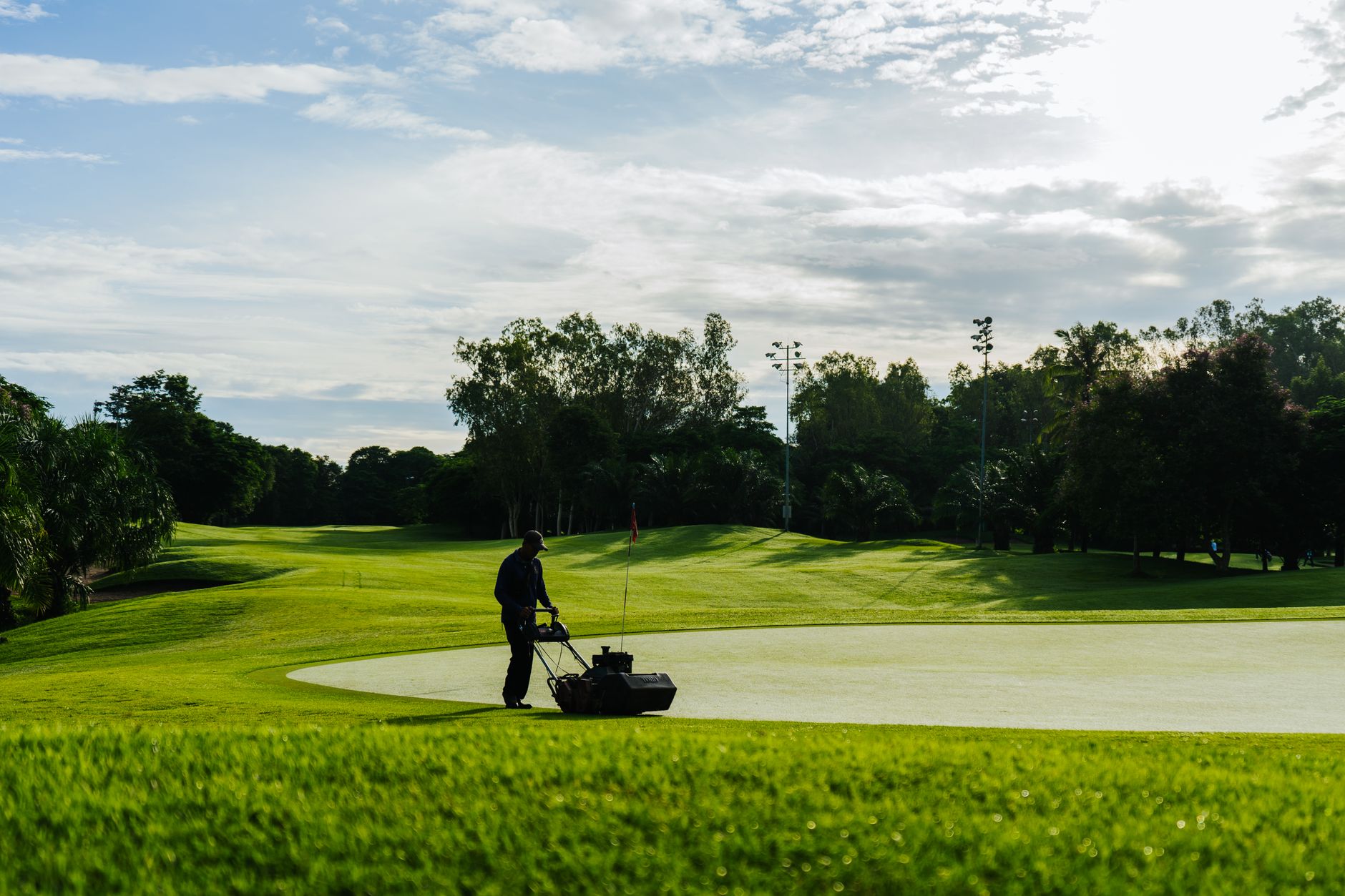
A Projected $62,000 a Year Across a 43-Unit Fleet
The headline figure is about $62,000 a year in projected savings. The district put that forward as its own estimate, and it describes an expected return, not a measured outcome. Read it as a forecast for a fleet of 43 units rather than as a closed set of books.
Because the figure looks ahead, its real worth lies in the questions it forces. How many mowing hours does each unit take off the schedule, what does fuel and maintenance look like across the fleet, and how much of a groundskeeper's week moves to other work? The answers decide whether a projection of this kind holds.
Expect the result to vary from campus to campus. Acreage, mowing frequency and existing staffing all shift the picture, so a site specific estimate is the honest place to start for any grounds manager weighing a similar move.
What a Multisite Mowing Fleet Asks of Its Integrator
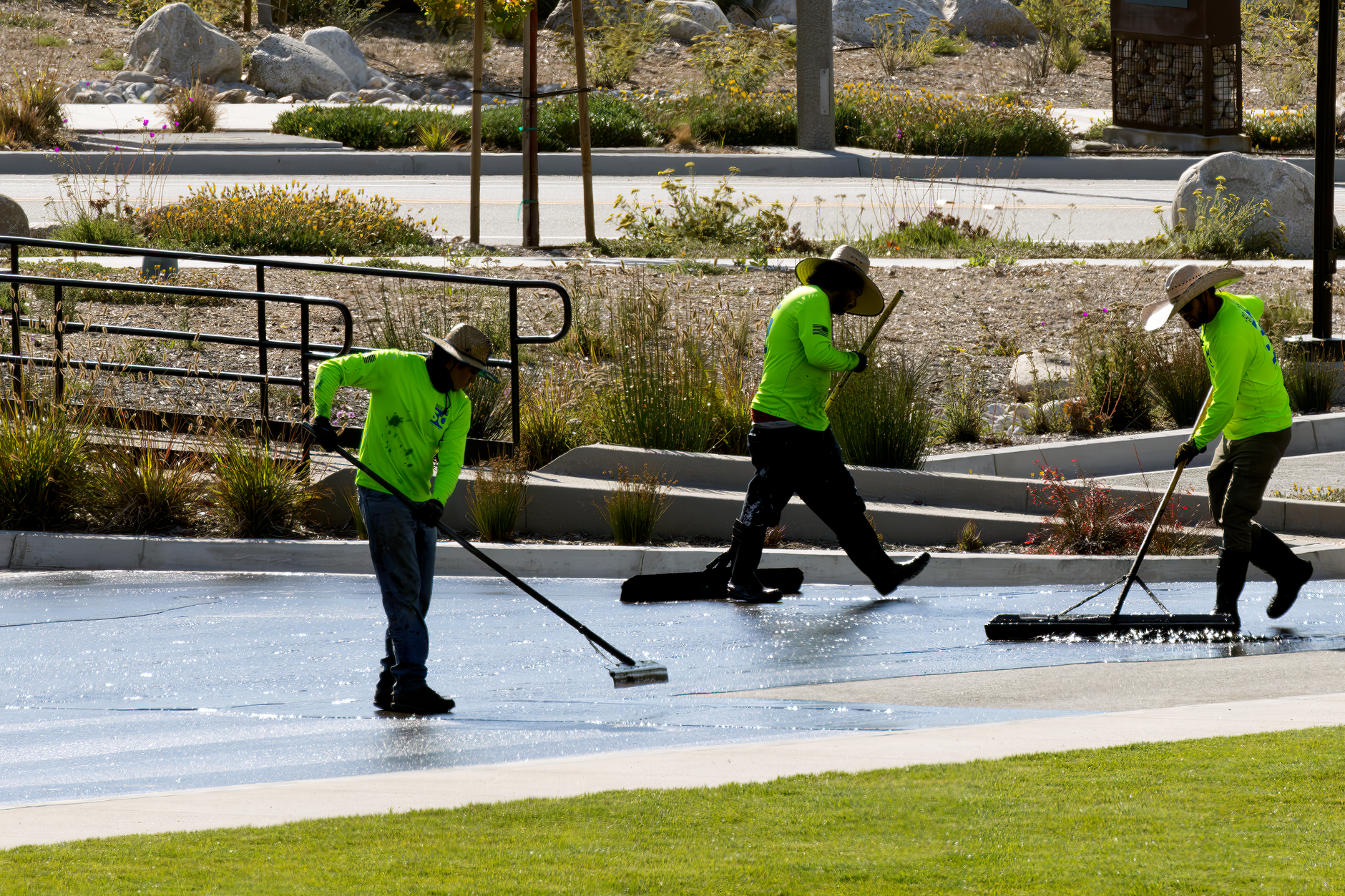
A fleet that grows from one site to dozens raises the same questions for any grounds operation, regardless of which machine is on the trailer. Who selects the right units, who installs and integrates them, who trains the crew and who answers when a mower stops in the middle of a field each matter as much as the price.
Service Robot Co. is a full service integrator that is not tied to any one manufacturer. We select robots across manufacturers, then finance, deploy, integrate, train and service each unit through a nationwide US engineer network. A grounds team works with one vendor neutral robot integrator and one number instead of juggling several suppliers.
Customers take robots on through a lease, and the lease runs three years with one fixed robot lease payment quoted after a site assessment. A district or any multisite operator can start with one leased unit, run a robot pilot program, then expand on a schedule that fits its own mowing calendar. Emergency response nationwide and spare unit coverage keep the fleet working when a single machine is down.
Frequently asked questions
Want a robot working for you?
Tell us the job and the site. We will recommend the robot, quote the lease, and keep it serviced.