a U.S. nuclear power station
How a Nuclear Plant Cut Condenser Inspection From Seven Shifts to Two
A U.S. nuclear power station cut condenser inspection from seven 12-hour shifts to two, saving more than $200,000 per outage with a confined-space drone.
- 7→2
- Shift count
- $200K+
- Saved/outage
- 12-14
- Scaffolders freed
- 20 m
- Asset height
Based on a documented real-world deployment. Figures are from public reporting; the organization is not named.
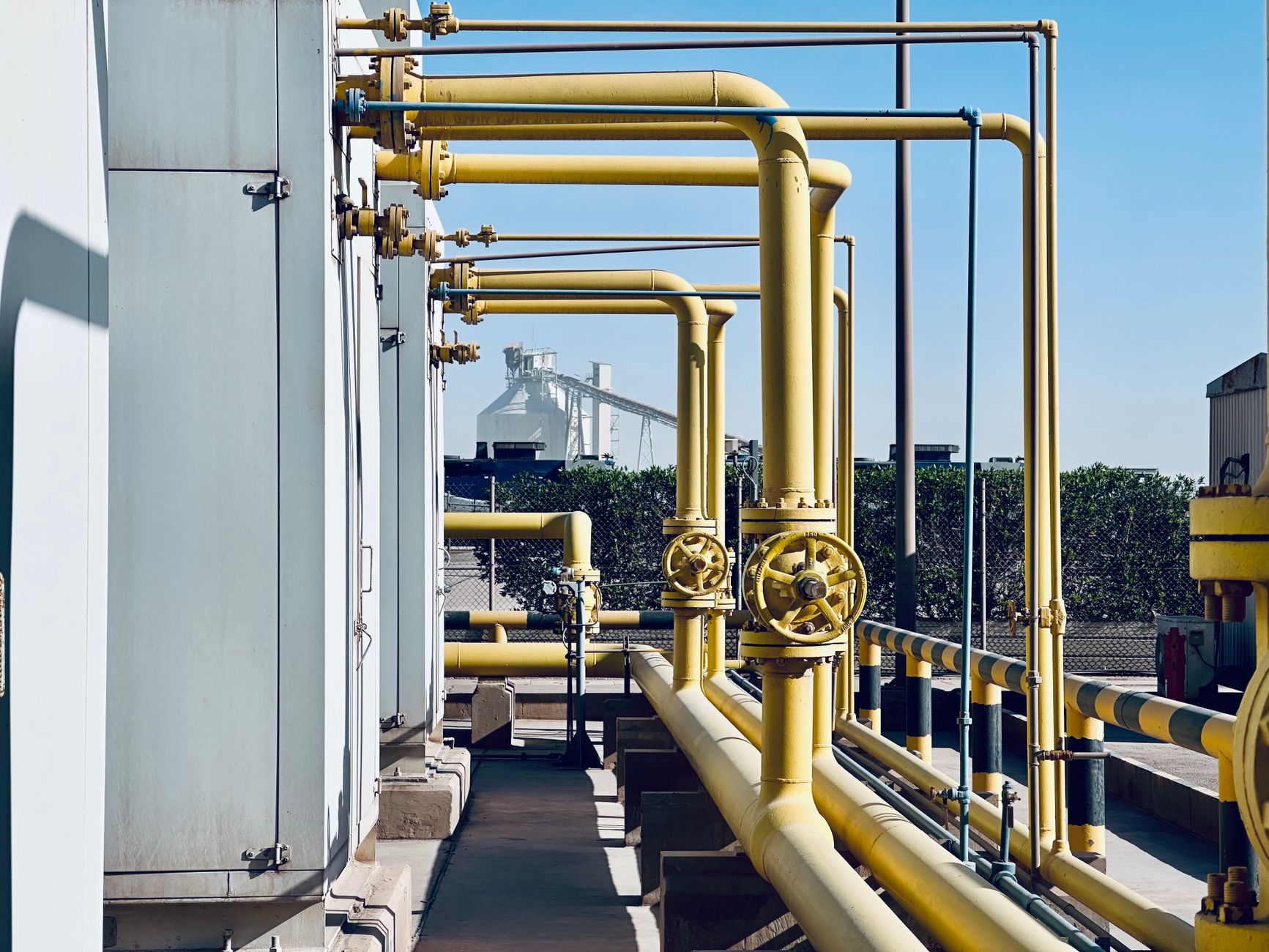
Scaffold weeks inside a wet confined box
Steam condensers must be checked every refueling outage while the reactor is offline. Crews traditionally built custom scaffolding twenty meters above the floor in a dark, wet confined space, then spent days climbing to inspect pipe walls and linings.
Erecting that scaffold alone could take twelve to fourteen twelve hour shifts, with another four to six shifts to tear it down. Each outage day carries heavy revenue risk, so condenser work competed with dozens of other shutdown tasks for the same scaffold crews.
- Work at height inside a confined condenser
- Multi day scaffold build before inspection starts
- Large scaffold teams tied up on one asset
Collision tolerant drone with triple sensors
The plant adopted a confined space inspection drone that carries visual, lidar, and ultrasonic thickness payloads in one pass. Pilots flew from the ground while the aircraft mapped the interior and recorded wall thickness without human entry.
When a defect needs touch work, scaffolding can target that spot instead of wrapping the whole condenser. That lets twelve to fourteen scaffolders redeploy to other outage priorities while engineers review a shareable video and three dimensional model.
- Preflight planning for confined space protocols
- Interior scan with 4K video plus thickness readings
- Digital record for mechanical and materials engineers
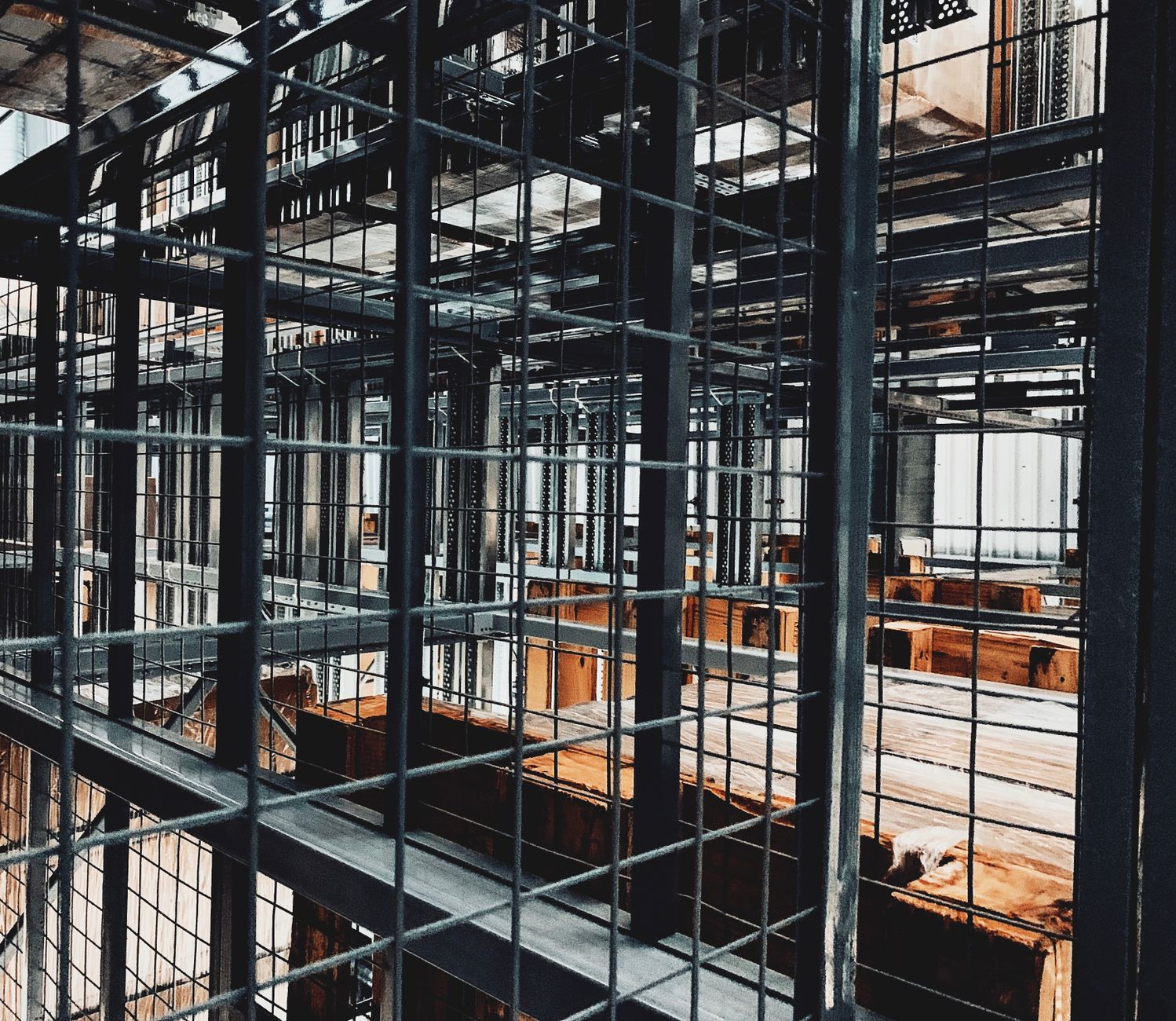
Two shifts instead of a scaffold week

Inspection time dropped from seven days of twelve hour shifts to two twelve hour shifts with the drone program. Leadership reported more than two hundred thousand dollars saved per shutdown on condenser work alone, plus freed scaffold labor across the site.
Inspectors stayed out of the wet confined volume and off the twenty meter structures except when targeted repairs required access. Repeat flights build a condition history so teams can compare degradation between outages instead of relying on memory and handwritten notes.
What this means for outage heavy industrial sites
Condenser and boiler inspections share the same scaffold bottleneck in power, pulp, and chemical plants. Inspection robot rental or crawlspace inspection robot programs let owners prove hours and dollar savings on one asset before they scale to tanks and ducts.
Service Robot Co. is a vendor neutral integrator for confined inspection drones and supporting ground teams. We help you finance, deploy, train pilots, and maintain equipment through a nationwide service network so one partner owns the full lifecycle during your next outage window.