a long-term care nursing home in Japan with about 80 residents
How a Nursing Home Cut Staff Travel 489 Hours Monthly With Delivery Robots
A Japanese nursing home deployed four delivery robots for meals and supplies, logging about 2,970 monthly runs and cutting staff travel time by 489 hours.
- 489 hrs
- Travel cut monthly
- 2,970
- Monthly runs
- 4
- Robot fleet
- 80
- Residents served
Based on a documented real-world deployment. Figures are from public reporting; the organization is not named.
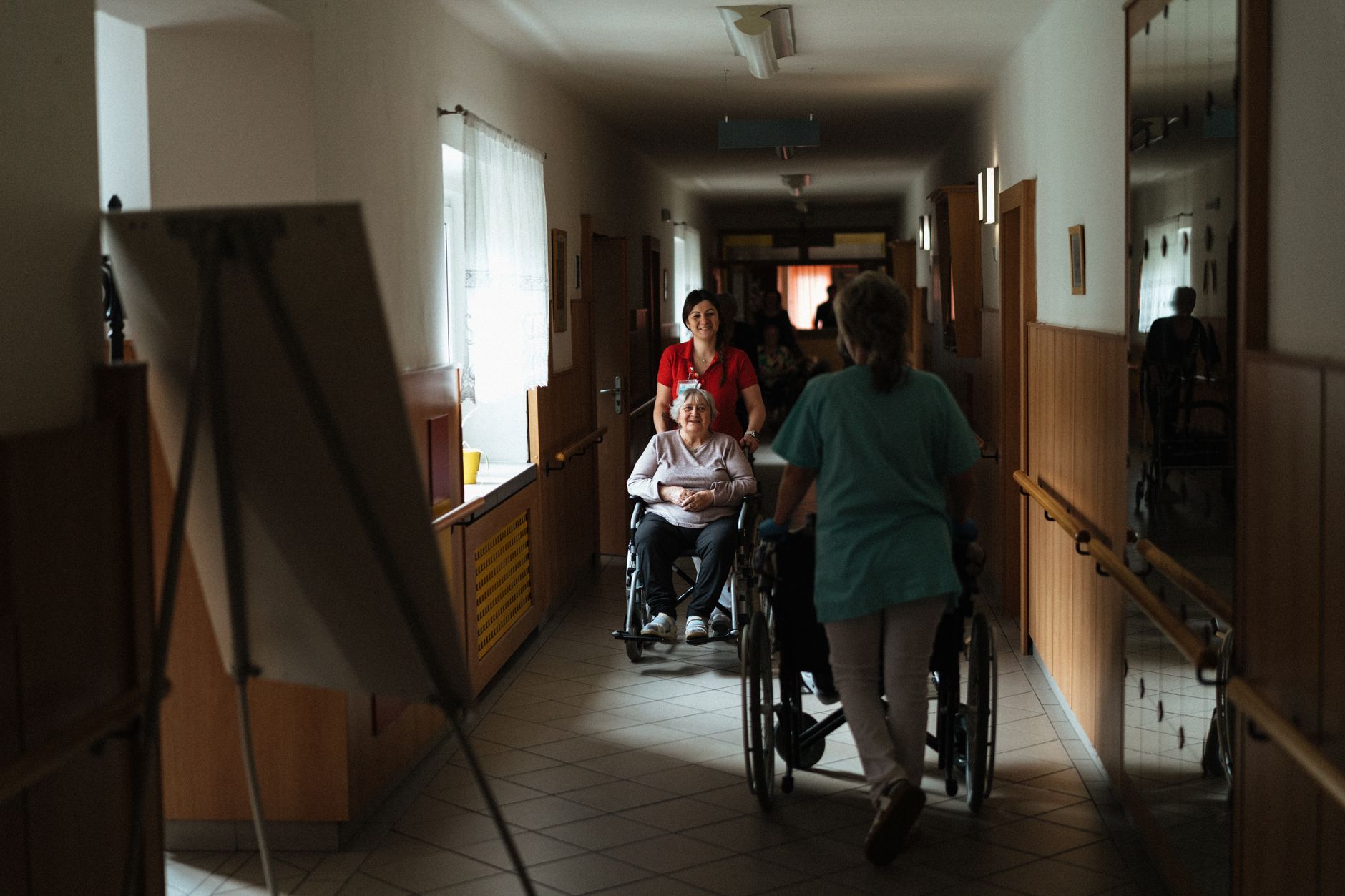
Long walks between units and supply areas
A long-term care nursing home in Japan with about 80 residents needed to move meals, medications, laundry, and documents across a wide building layout with only a few staff dedicated to meal service runs. Distances between units ranged from about 10 meters on the nearest wing to more than 50 meters on the farthest routes.
Those repeat trips pulled caregivers away from direct resident support. Leadership wanted to cut indirect walking without lowering meal service quality or infection-conscious handling practices.
- Wide floor plates with long indoor travel distances
- Limited staff for meal and supply transport
- Pressure to protect time at the bedside
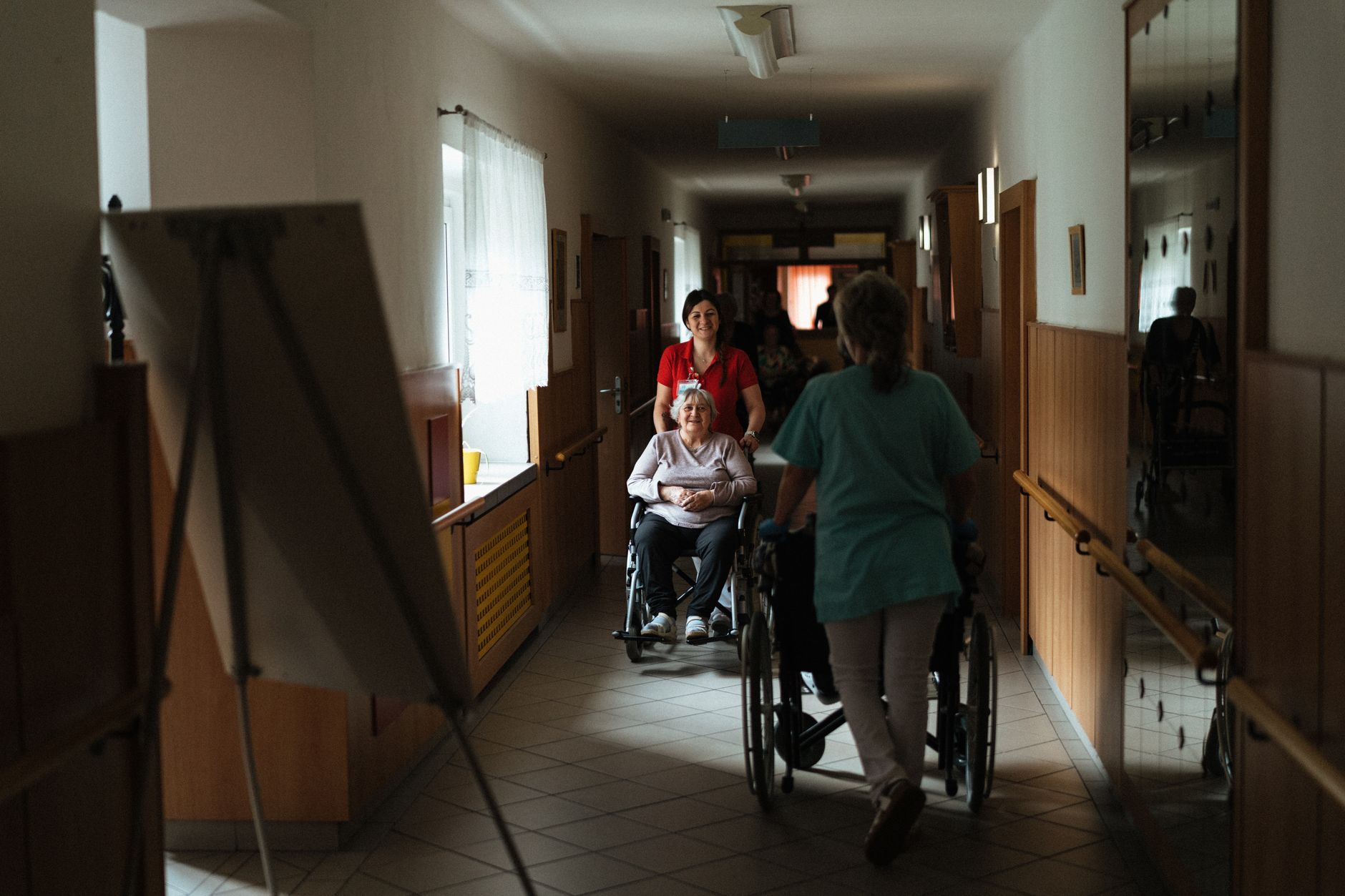
Four robots on meal and supply loops

The facility deployed four commercial delivery robots to handle meal service, medications, laundry, and document transport along mapped indoor routes. Staff focused on resident care while robots covered predictable runs between kitchen, medication, and resident units.
A demo phase estimated roughly 70 minutes of task time saved per floor per day before full rollout. Training emphasized handoff zones so humans retained control of exceptions and resident-facing moments.
- Four robots on mapped indoor routes
- Meals, medications, laundry, and documents in scope
- Demo measured time savings before scaling fleet use
Documented cuts to staff travel time
Published operating data for the four-robot fleet reports about 2,970 transport runs per month and 489 hours of staff travel time removed. Caregivers described less physical burden from repeat walking and more capacity for direct resident support.
Leadership also cited workforce recruitment benefits from visible investment in support technology, though the hard operational metric in the source is monthly travel hours reclaimed.
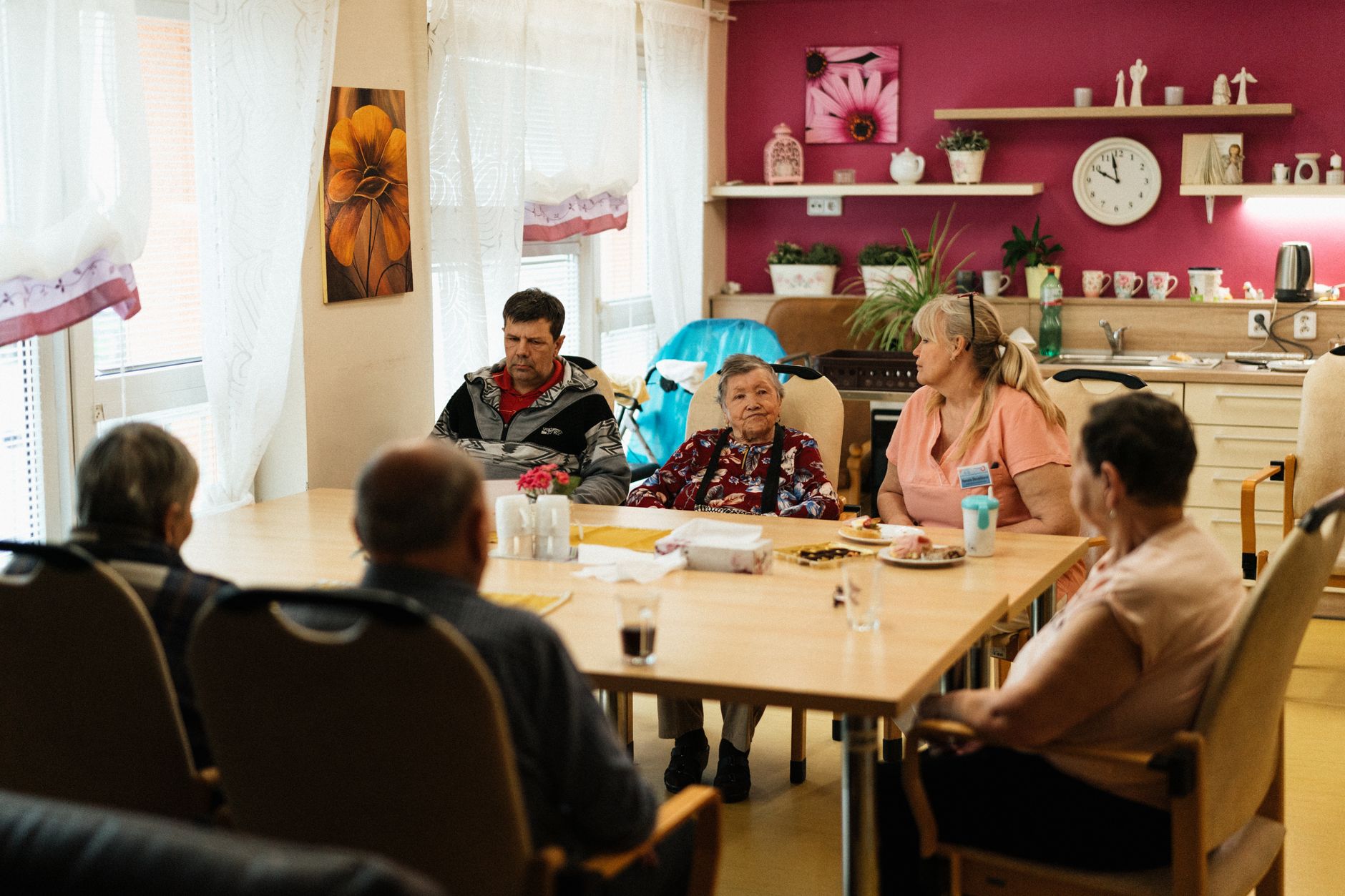
What this means for US senior care and hospitals
This deployment was documented in Japan and was not run by Service Robot Co. It still shows how hospital delivery robot rental or senior living meal delivery robots can remove hundreds of monthly travel hours when buildings are spread out.
Service Robot Co. helps US nursing homes, assisted living sites, and hospitals evaluate lease or monthly rental paths, map corridors and elevators, and stand up pilots with training and nationwide service. A vendor-neutral integrator can match the right delivery robot to your floor plan before you commit capital.