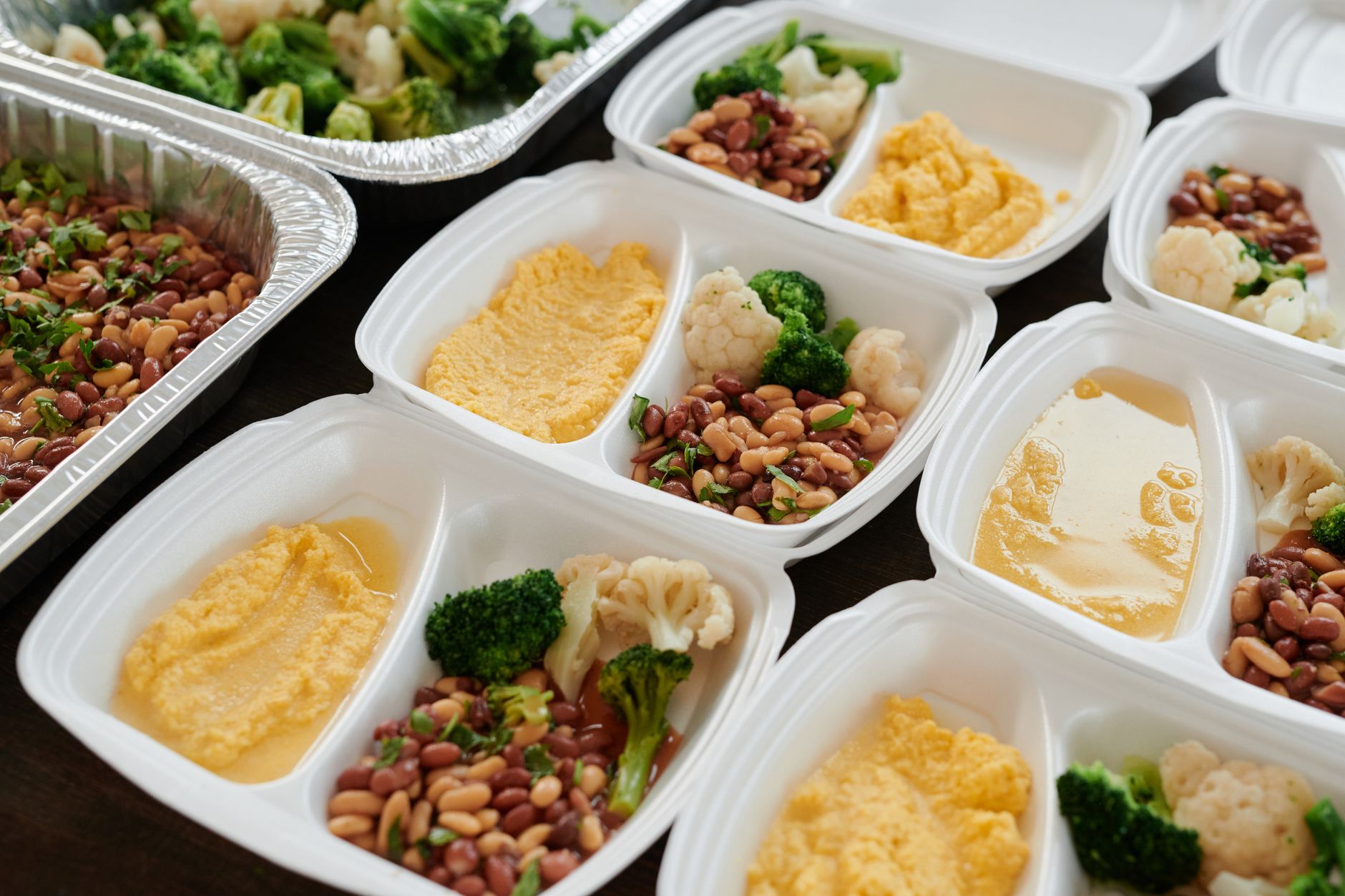
a multi-story nursing home with on-site laundry and meal services
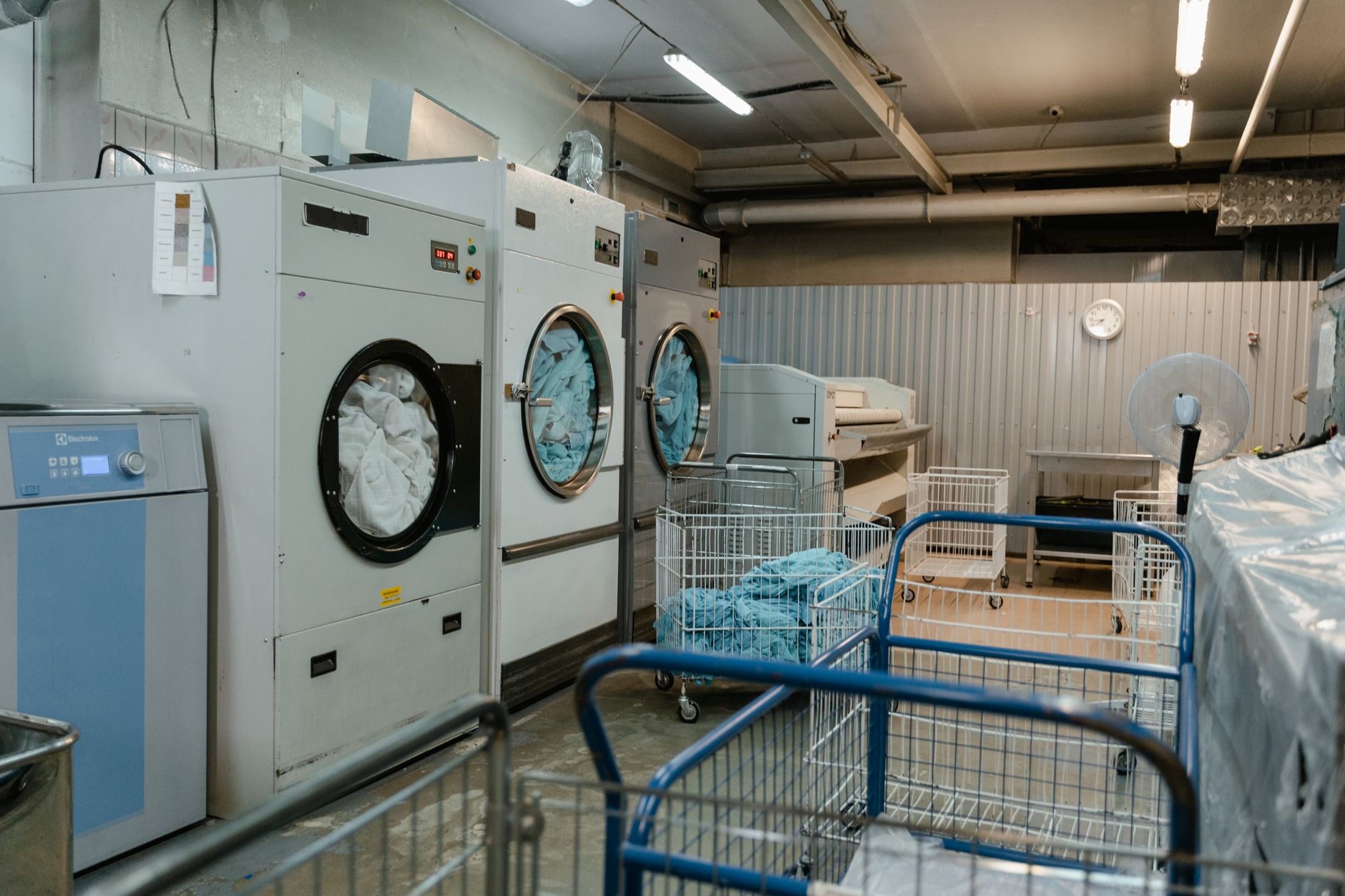
How a Nursing Home Freed 176 Daily Minutes by Automating Laundry Runs
A nursing home projected 176 daily man-minutes saved on laundry delivery by automating runs with autonomous mobile robots, redirecting staff to resident care.
- 176 min
- Daily laundry time
- 192 min
- Meal runs saved
- 2 flows
- Automated routes
- AMR
- Delivery mode
Based on a documented real-world deployment. Figures are from public reporting; the organization is not named.
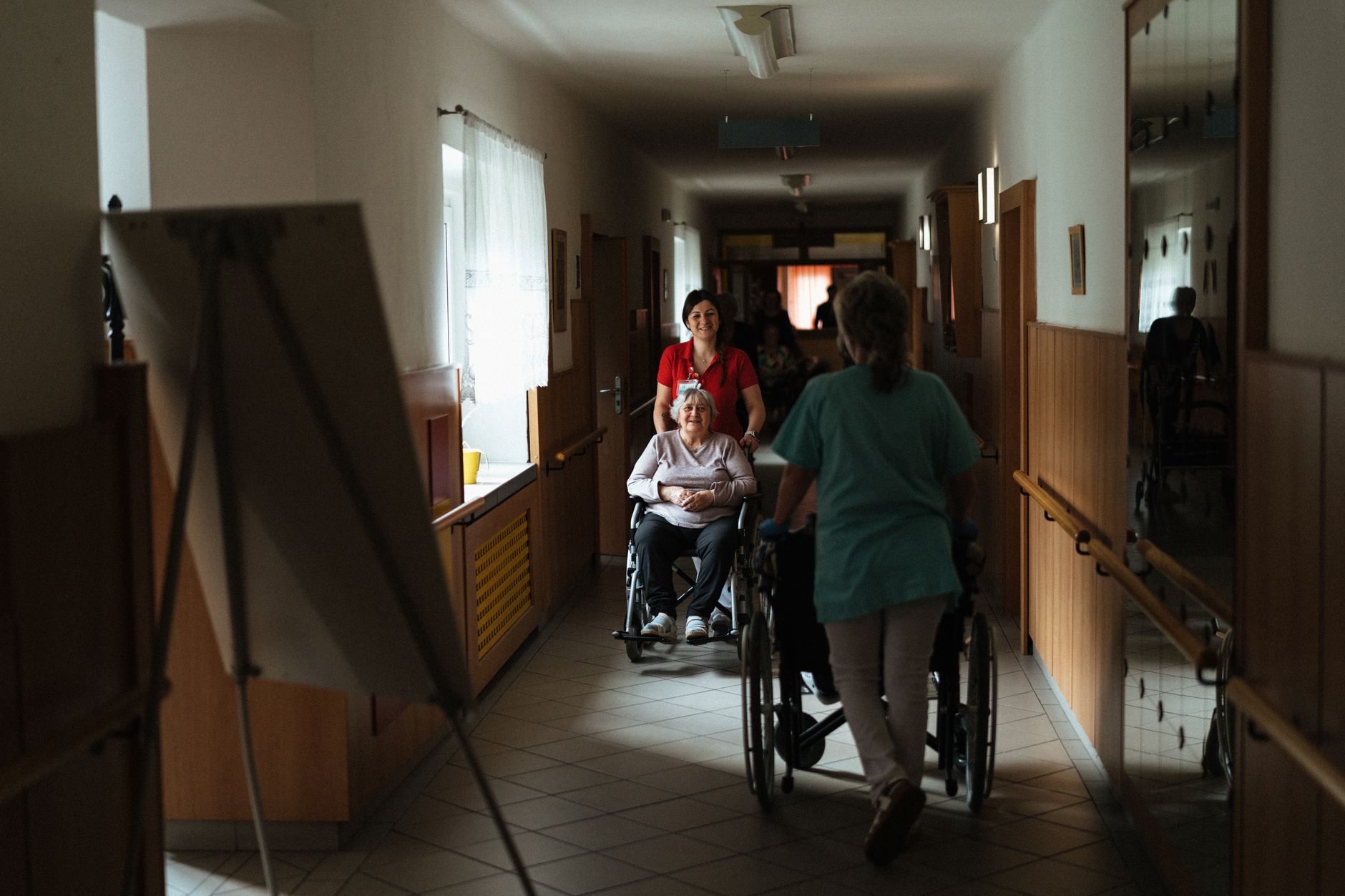
Care time lost to carts and corridors
Nursing homes run tight loops between laundry, dining, and resident floors. Nurses and aides spend chunks of every shift pushing heavy carts through elevators and narrow halls instead of staying bedside.
The published case for this site identified laundry and meal delivery as the most time-consuming manual loops that could be automated. Staff cross-training and schedule tweaks had already helped, but the walking time remained.
- Laundry runs consumed predictable daily minutes
- Meal delivery competed with resident care
- Manual cart pushes added physical strain
Autonomous mobile robots on fixed routes
Leadership planned autonomous mobile robots to move laundry and meal carts on mapped routes between kitchen, laundry, and resident floors. Deployment planning mapped critical delivery windows and existing paths before go-live.
Staff training focused on handing off carts, clearing blocked corridors, and restarting routes when elevators were busy.
- Map laundry and meal paths floor by floor
- Set delivery windows around meal service
- Train staff on escorting robots at elevators
Projected minutes returned to care
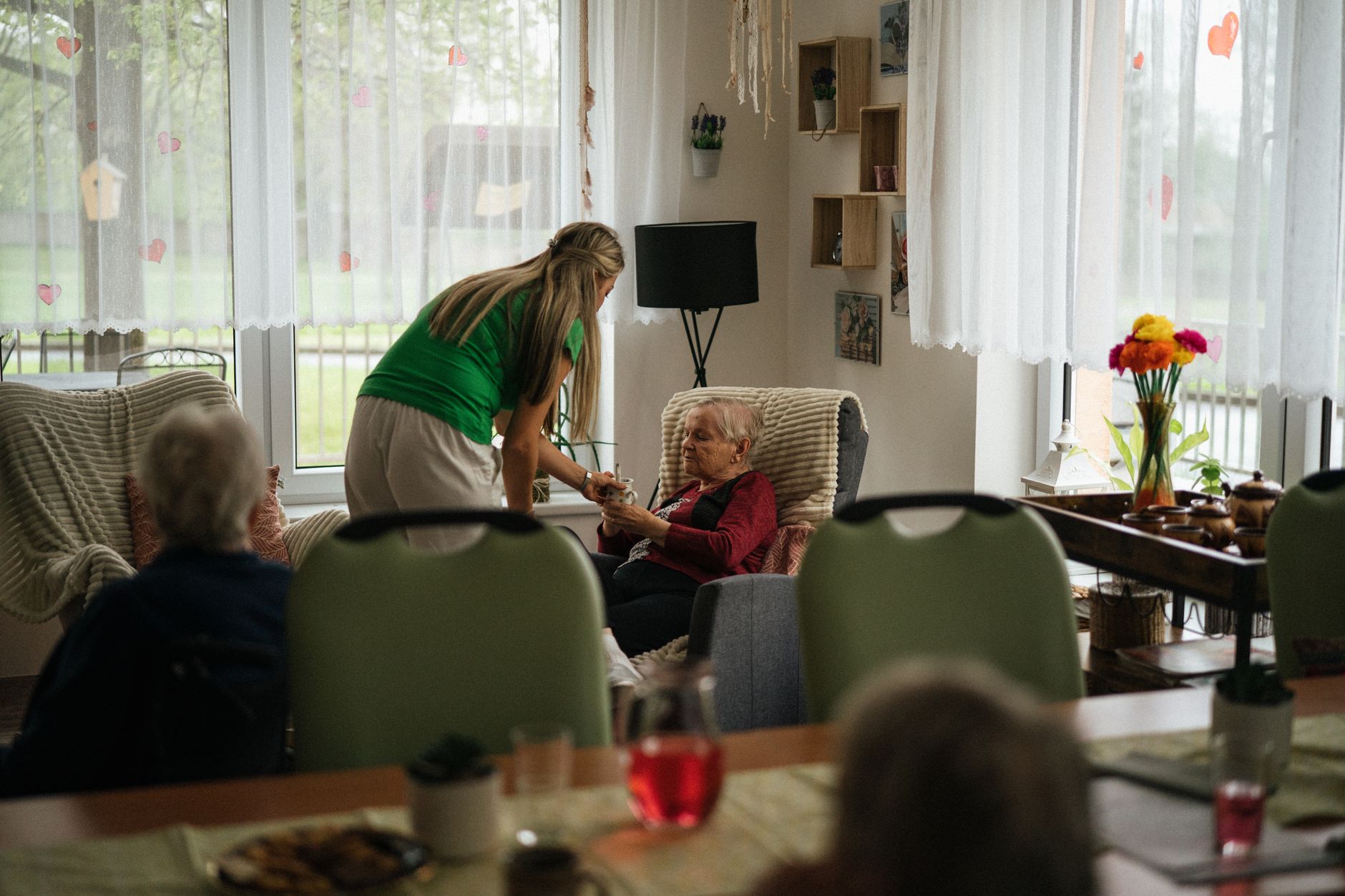
The case study projects autonomous mobile robots can free 176 man-minutes per day on laundry delivery and 192 man-minutes per day on meal delivery once fully deployed. Those minutes shift from pushing carts to resident-facing care and infection-control tasks.
Operators also expected fewer heavy lifts and less cross-traffic during outbreaks because robots handle predictable loops with minimal human crossover.
What US senior living operators can borrow
This is a documented nursing home deployment plan in Singapore, not a Service Robot Co. customer, but the workflow matches US memory-care and skilled-nursing buildings with central laundry.
Service Robot Co. can match hospital delivery robot rental or lease programs to your elevator map, train staff on handoffs, and provide nationwide service so one partner owns the AMR from pilot through maintenance included support.