
a US producer of packaged weight-management foods
Delta Picking Robot Drives Single-Shift OEE to Nearly 97%
See how synchronized delta picking stabilized pouch stacks, reduced cartoner jams, and helped a packaged nutrition line reach nearly 97% OEE.
- Almost 97%
- single-shift OEE
- 83%
- previous peak OEE
- 180°
- alternate pouch rotation
- 7
- pouches per stack
Based on a documented real-world deployment. Figures are from public reporting; the organization is not named.
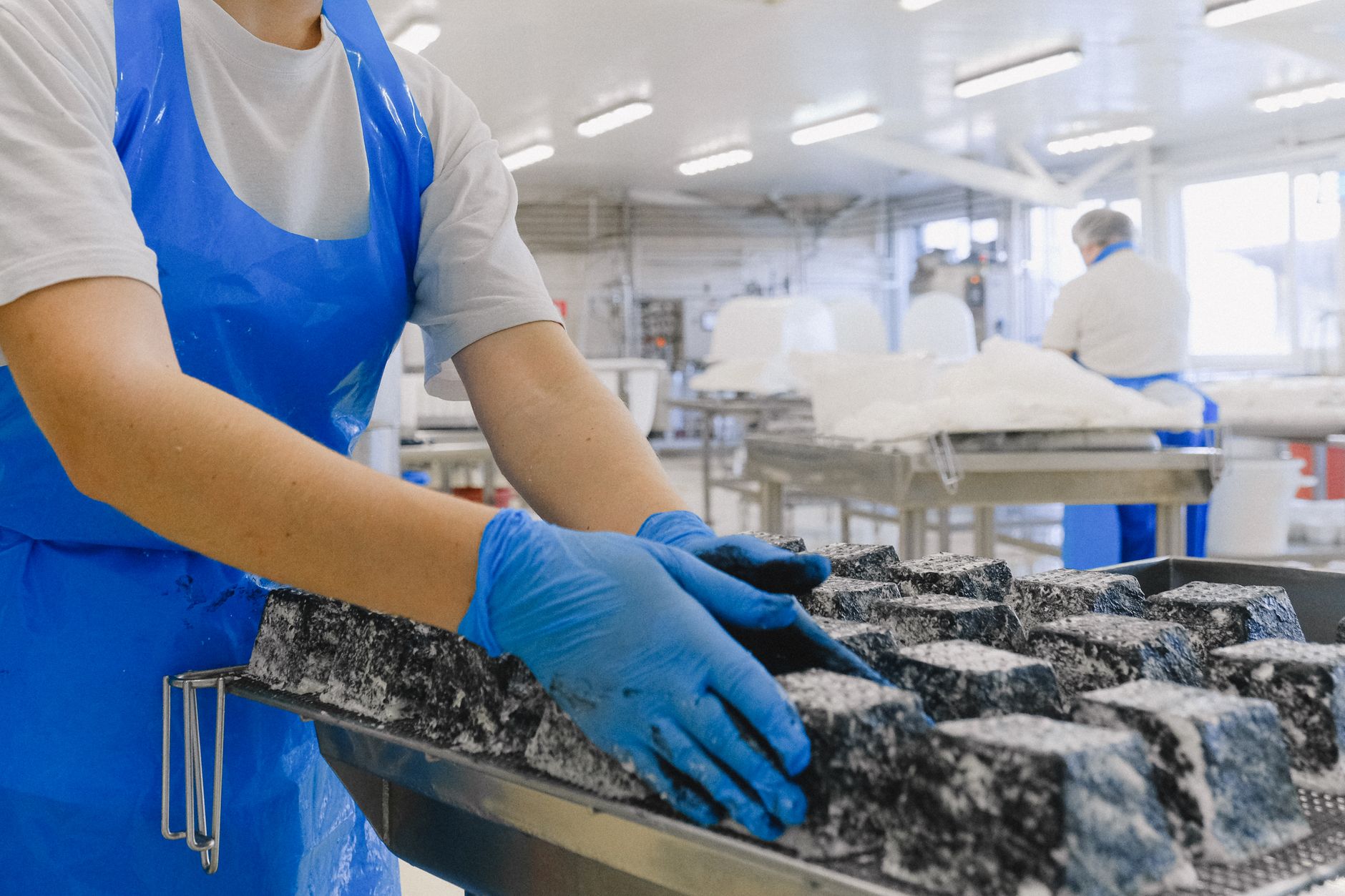
An Unstable Handoff Constrained the Packaging Line
A US producer of packaged weight-management foods had capable pouching and cartoning equipment, but the transfer between them was unreliable. Checkweighing, pouch movement, and stack formation created intermittent disruptions that constrained the entire packaging sequence.
The poucher discharged products in pairs. If either pouch fell outside specification, the old checkweighing process rejected both, leaving operators to inspect them manually. Farther downstream, the mechanical transfer repeatedly delivered uneven stacks that could jam the cartoner.
Product geometry compounded the problem. Powder settled toward the bottom of each pouch, creating a teardrop profile, and stacking all 7 pouches in the same orientation concentrated the thicker ends on one side. The operation needed speed, but it also needed precise orientation and dependable coordination between machines.
- Reject individual nonconforming pouches without discarding their acceptable partners
- Synchronize pouch tracking as production speed changes
- Build uniform stacks that enter the cartoner reliably
- Accommodate different pouch profiles during product changeovers
A Delta Picker Joined the Machines Through Shared Controls
After examining several options, the producer and its integration team selected a 3-axis delta picking robot for the transfer. The choice centered on rapid handling, flexible placement, and the ability to correct pouch orientation before cartoning.
The poucher and cartoner controllers were networked so they could share position data in real time. That control architecture allowed the robot to follow each pouch deterministically without a vision system and to respond when pouching speed changed, without interrupting the flow.
Checkweigher inputs told the robot which pouches to accept. The robot diverted rejects, picked the conforming product, and turned every other pouch 180 degrees before assembling a stable stack. Operators could adjust robot coordinates through the human-machine interface when pouch thickness changed between products.
The documented installation was the producer's first delta-robot deployment. Operators could be trained to make positioning changes through the interface, but the source does not report a phased rollout, training duration, commissioning schedule, or ongoing service arrangement.
- Select the robot around transfer speed, pouch behavior, and placement accuracy
- Connect upstream and downstream controls for deterministic position sharing
- Use checkweigher data to separate acceptable pouches from rejects
- Program alternating orientation to correct the teardrop stack profile
- Expose positioning coordinates through the operator interface for changeovers
A New Single-Shift OEE High
The previous pouching and cartoning configuration had reached a maximum of 83% OEE during a single shift. With the delta picker integrated into the line, the producer later recorded almost 97% OEE on one shift, surpassing its prior peak.
The improvement was broader than the headline metric. Acceptable pouches no longer had to follow an out-of-specification partner into the reject path, operator attention to false paired rejects declined, and lot-changeover cleanup became more efficient. The source describes the gains but does not quantify the throughput increase or labor time saved.
Alternating each pouch produced more uniform 7-pouch stacks and substantially fewer cartoner jams. Robot positioning also became easier to adjust during changeovers. Reduced cabling and a smaller control cabinet supported a straight inline equipment arrangement, although the source provides no footprint dimensions or financial return figure.
The Integration Lesson for Food Producers
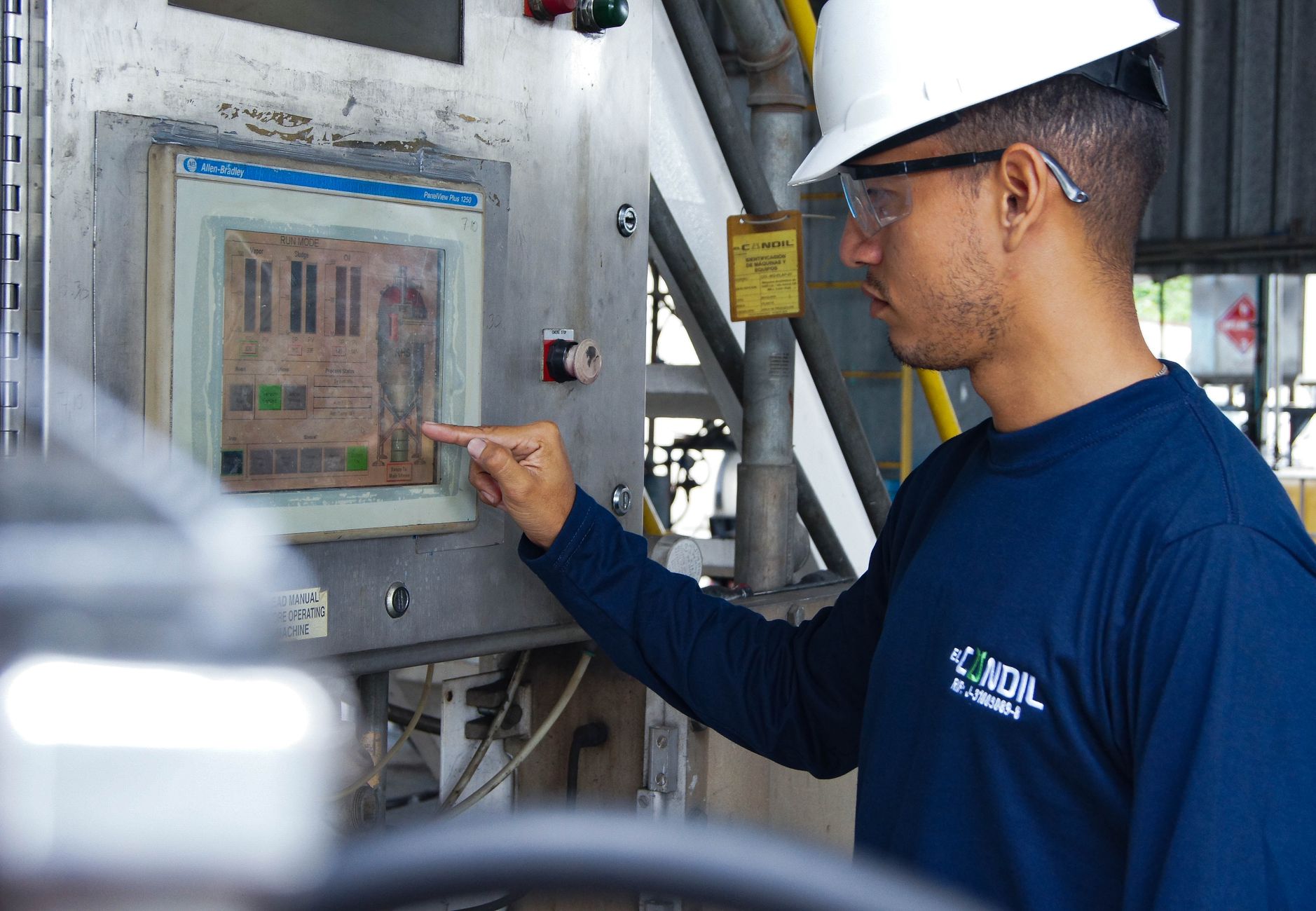
This documented example was not a Service Robot Co deployment. Its value lies in showing that end of line automation is often a controls and line-balancing exercise, not merely a robot purchase. The decisive work happened at the interfaces among checkweighing, motion control, product tracking, stack formation, and operator changeovers.
Service Robot Co approaches that full lifecycle as a vendor neutral robot integrator for US businesses. We assess the application, select equipment across manufacturers, arrange financing and monthly payment programs, manage robot deployment and integration, train operators, provide go live support, and service each unit through a nationwide US engineer network.
That structure gives food producers a single accountable vendor from selection through field service. Commercial robot demo and robot pilot program options can help validate handling behavior before a broader commitment, while RoboCare™ service arrangements can keep technical ownership clear after launch. The appropriate rollout still depends on sanitation, guarding, upstream variability, changeover demands, and the plant's production window.
Frequently asked questions
Want a robot working for you?
Tell us the job and the site. We will recommend the robot, quote the lease, and keep it serviced.