
a Pacific Northwest public school district with one floor scrubber at each of its 14 middle and high schools
A Pacific Northwest School District Puts One Floor Scrubber in Each School
A Pacific Northwest public school district gave each of its 14 middle and high schools an autonomous floor scrubber. Here is how the rollout was built.
Deployment at a glance
- 14
- autonomous scrubbers, one per middle and high school
- 100%
- of the district's middle and high schools covered
- 1
- high school where the machines ran a trial first
Based on a documented real-world deployment. Figures are from public reporting; the organization is not named.
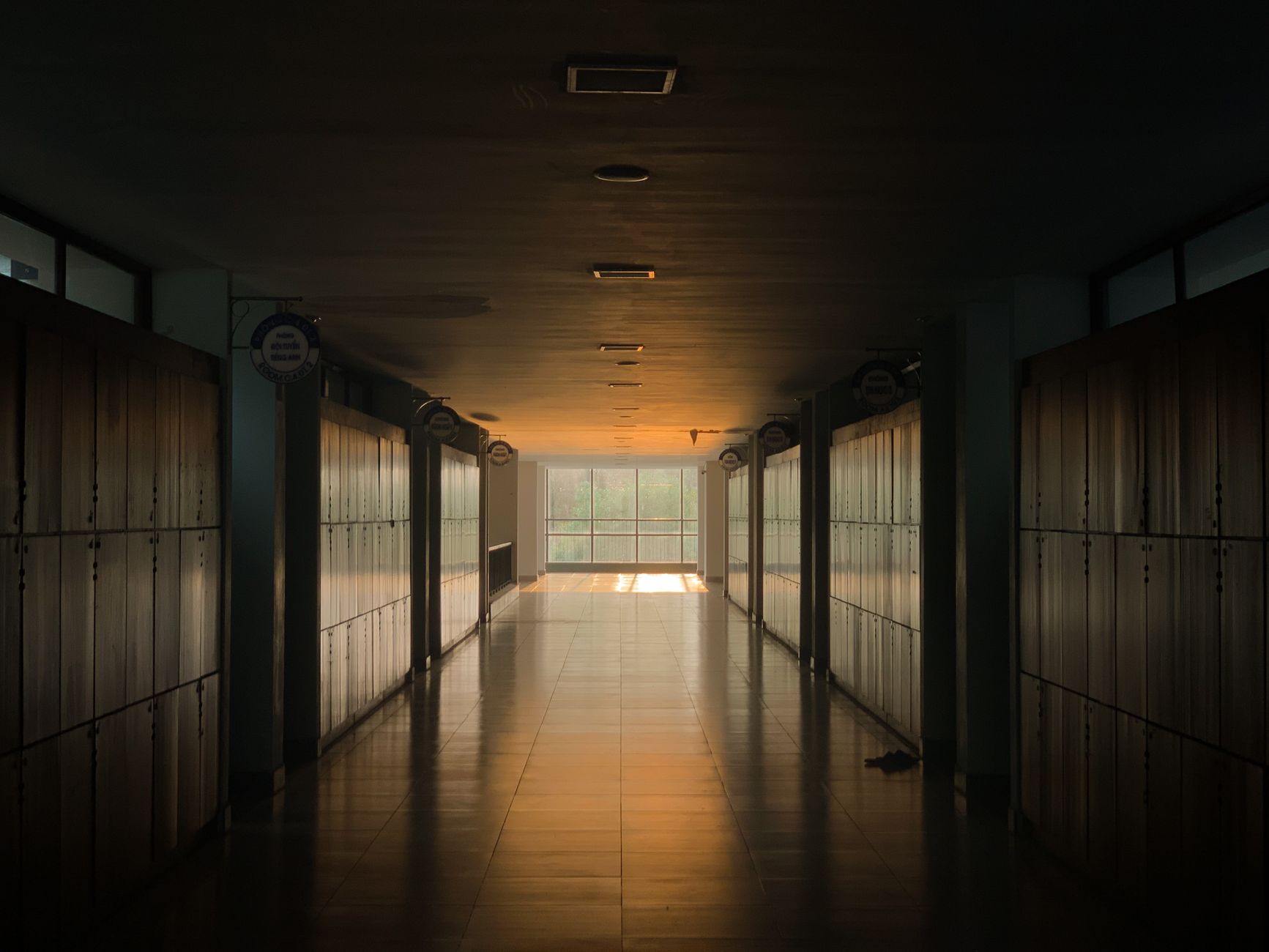
Short staffing and wide open floors
Cleaning a school day means working around people. Corridors, classrooms, cafeterias and gyms all need floors that are safe to walk on, and the work has to fit between bells, lunch periods and practices. Across 14 middle and high schools, that is a large amount of floor and a finite number of custodial hands.
The district framed its move toward robots as a response to short staffing, according to press coverage of the purchase. The custodians' union is reportedly aware of the machines, which puts the change in front of the people who work the buildings every day.
Large open spaces stand out. The superintendent has reportedly said the machines have been especially useful in big commons and gym areas, where wide, uncluttered floors suit autonomous scrubbing.
A trial at one high school, then one machine per school
The district did not begin by filling every building at once. The machines were first trialed at one high school, and only after that period did the district commit to a fleet with a unit for every middle and high school in the system.
The model is easy to describe. Each school gets its own scrubber, so no campus has to wait on a machine that is working somewhere else.
- Trial the machines at one high school before committing
- Purchase 14 autonomous floor cleaning units
- Place one unit at each middle and high school
- Use the machines in large commons and gym spaces, where they have reportedly been most useful
A complete rollout across the school level
The clearest result is the footprint. Every middle and high school in the district now has its own autonomous floor scrubber, so the fleet covers the full school level rather than a sample of it.
On usage, the superintendent has reportedly described the scrubbers as especially useful in large commons and gym areas. That is a qualitative account, not a measured one, and it points to where the machines fit best rather than how much floor they cover.
The next questions are operational. Staff will want to know how often each school's floors are scrubbed and how custodial time shifts across the week, and those answers come from the district's own routines rather than from a headline figure.
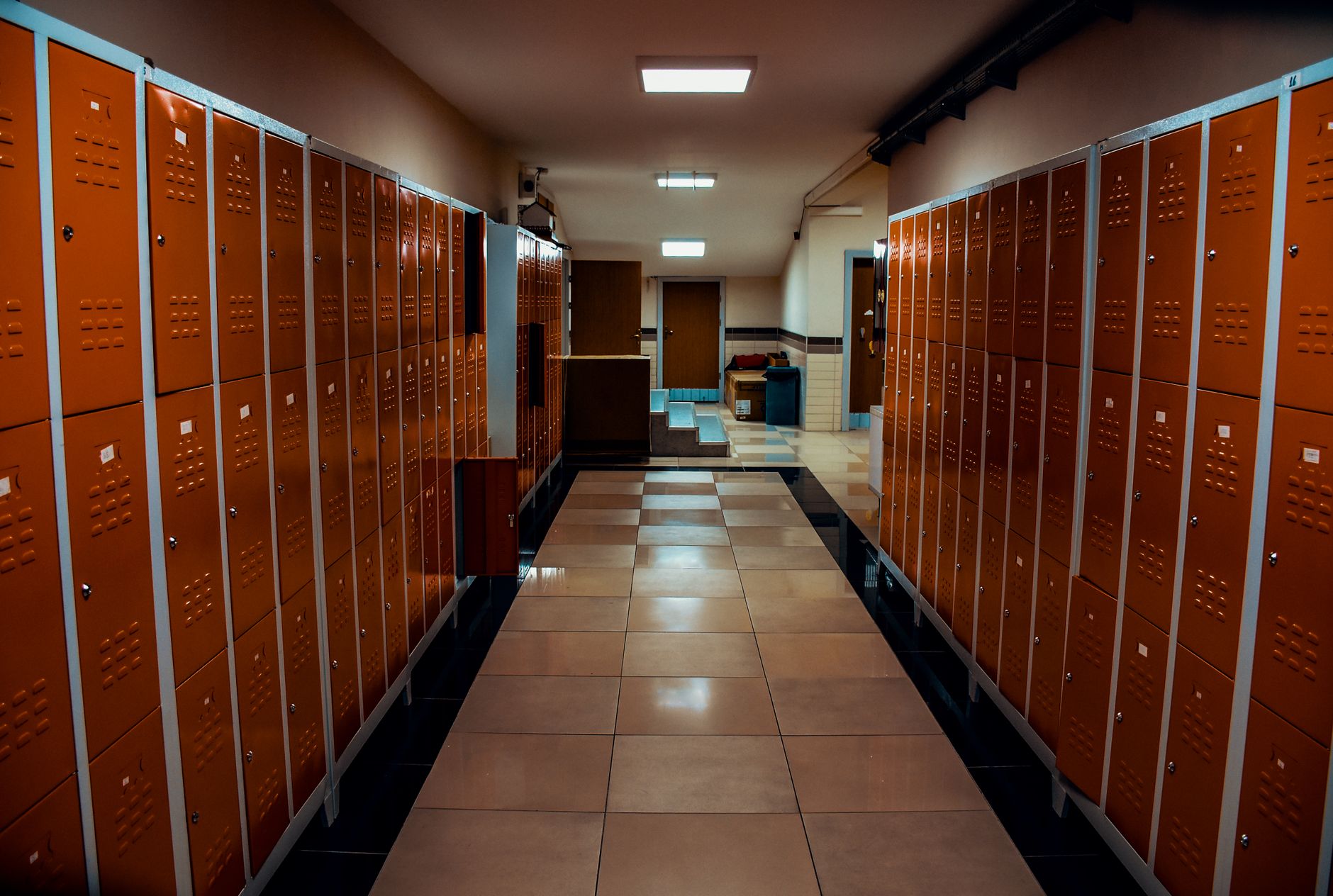
What a lease looks like for a school fleet
Service Robot Co. is a full service, vendor neutral commercial robot integrator for US businesses. We select the right robot across manufacturers, then finance, deploy, integrate, train and service every unit through a nationwide US engineer network. One partner covers the whole lifecycle, from the first walk of the building to the day a unit needs attention.
Commercial robot leasing starts with one machine. A school cleaning robot lease runs for a three year term, with one fixed payment quoted after a site assessment. We lease robots only, so a district can put equipment on its floors without a large upfront outlay.
Once a fleet proves its worth in one building, the same process can extend to the rest of the district, with each campus assessed on its own floors and traffic.
Frequently asked questions
Want a robot working for you?
Tell us the job and the site. We will recommend the robot, quote the lease, and keep it serviced.