
a Pacific Northwest golf course with one autonomous mower on its open turf
A Pacific Northwest Golf Course Puts an Electric Autonomous Mower on Open Turf
See how a Pacific Northwest golf course runs one electric autonomous mower on open turf, with six acres cut in two days and about two hours per charge.
Deployment at a glance
- 6 acres
- Turf cut by one mower in two days, per its rating
- 2 days
- Working days to cut six acres with one mower
- 2 hours
- Run time on one electric charge
Based on a documented real-world deployment. Figures are from public reporting; the organization is not named.
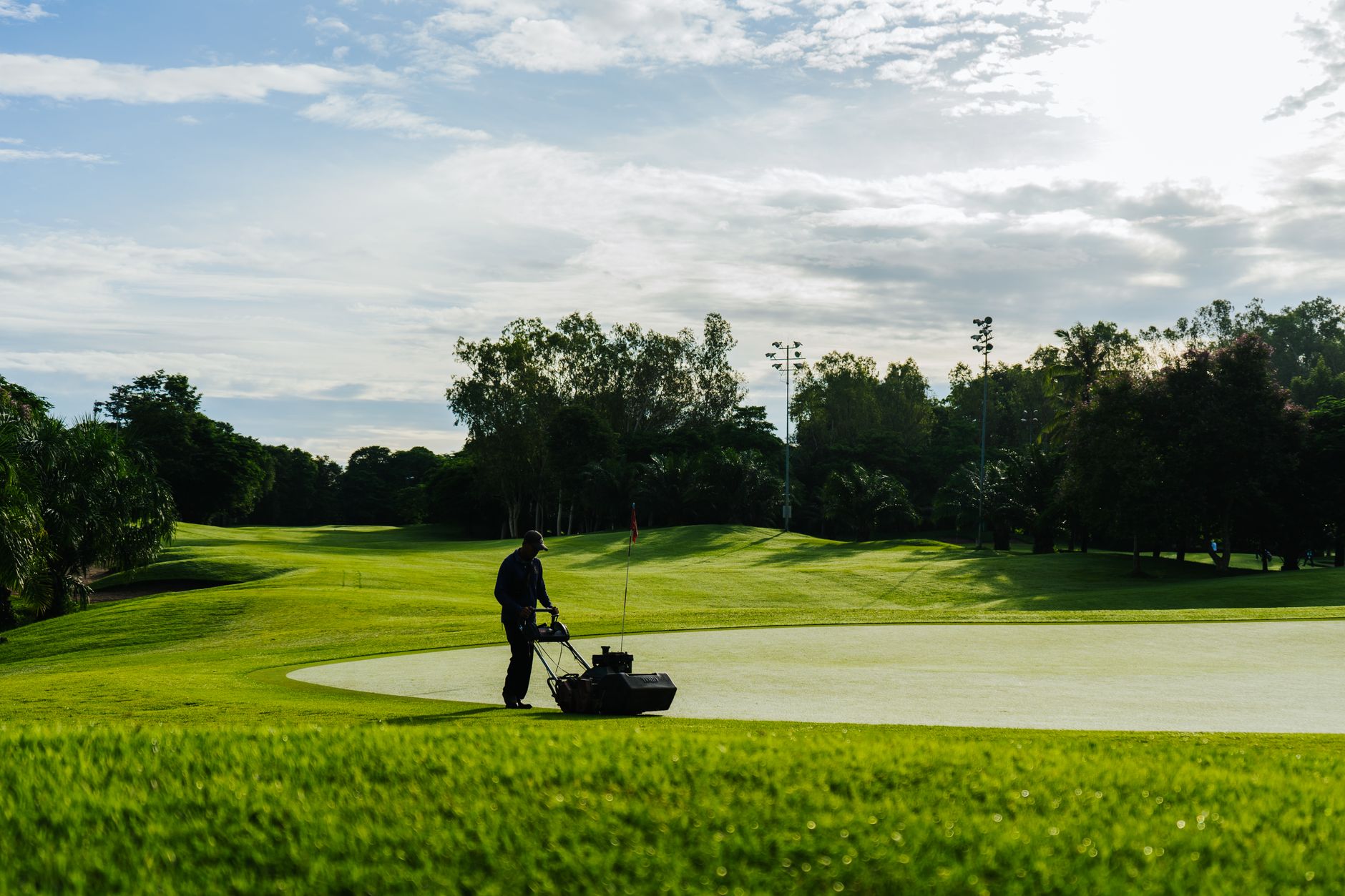
Open turf, a lean grounds crew and a long mowing calendar
Golf course grounds work does not wait for a convenient hour. Open turf needs steady cutting through the season, and every hour a grounds worker spends on a mower is an hour taken from irrigation, bunker work or the detail that players notice first.
For a course with a small crew, the pressure builds fast. Mowing is repetitive and long, and it tends to pile up when staff are already stretched across other tasks. That makes it a sensible candidate for automation, though it still needs a plan for charging and supervision.
The course in this study faced that tension directly. Its open turf needed regular coverage, and the grounds team wanted routine cutting handled without adding headcount to do it.
One electric mower on open turf, planned around its run time
The course brought an autonomous mower onto its open turf rather than reworking the whole property at once. The unit is electric, which suits a machine that cycles through short working sessions and returns to a charge between them.
The robot supplier rates its mower at six acres in two days, and it runs for about two hours per charge. Those two numbers set the rhythm of the work. Each session covers a slice of the turf, the unit heads back to charge, and the cycle repeats until the area is covered.
The grounds crew kept the decisions. The mower took on the repetitive cutting, while staff decided where and when it ran.
- Measure the open turf in acres and set it against the six acres in two days rating
- Plan charging so the unit returns to base before its roughly two hour run ends
- Begin with one unit on open turf and add more only once the calendar supports it
- Book a site assessment before discussing any lease quote
Capacity figures are firm, labor figures are a judgment
The clearest numbers from this deployment are about capacity and endurance. One mower is rated to cut six acres in two days, and it runs about two hours on a charge. Those figures let a grounds manager plan coverage against a calendar rather than against hope.
Labor is the harder number to pin down. The course manager describes crew time coming back to the team. That is a judgment from the person running the grounds, not a logged audit, so it should be read as direction rather than a measured saving.
Routine cutting on open turf is steady, unglamorous work. When it runs on schedule, the grounds team has more room for the tasks that need a person's eye.
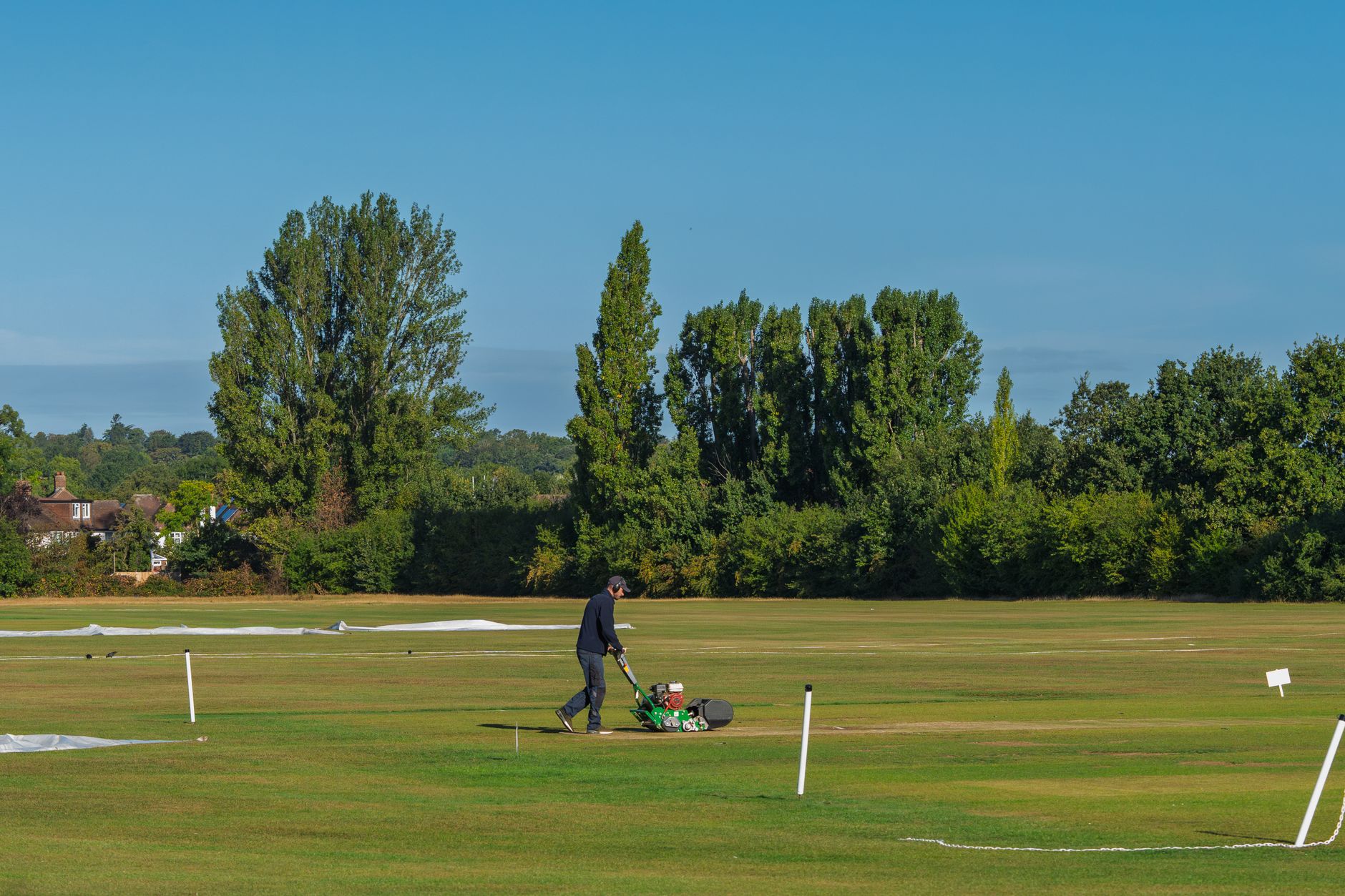
What this means for a grounds operation weighing a robotic mower
Service Robot Co. is a full service, OEM neutral commercial robot integrator for US businesses. We select the right robot across manufacturers, then arrange the lease, deploy, integrate, train and service each unit through a nationwide US engineer network. Our offer is a three year lease with one fixed payment quoted after a site assessment.
A course like this one raises the questions we ask first. How many acres need cutting, how often, what the charging route looks like, and how many units the calendar really requires. Those answers decide whether one mower is enough or whether a second belongs in the plan.
This deployment was not one of ours, and it is not presented here as a client story. Its lessons are general. Match the unit to the turf, plan around the run time, and treat labor savings as something to measure on your own site. Our robot lease options begin with a site assessment, so the fixed payment reflects your turf rather than a guess.
Frequently asked questions
Want a robot working for you?
Tell us the job and the site. We will recommend the robot, quote the lease, and keep it serviced.