a glove-packaging operation handling frequent SKU and carton changes
How Glove Packaging Cut Direct Labor 90% With Cobots and AMRs
A documented packaging deployment shows how cobots and autonomous transport cut direct labor 90%, steadying changeovers and lifting end of line throughput.
- 90%
- direct labor cut
- 2 years
- reported ROI window
- 3 systems
- packing, boxing, transport
Based on a documented real-world deployment. Figures are from public reporting; the organization is not named.
Where the line was straining
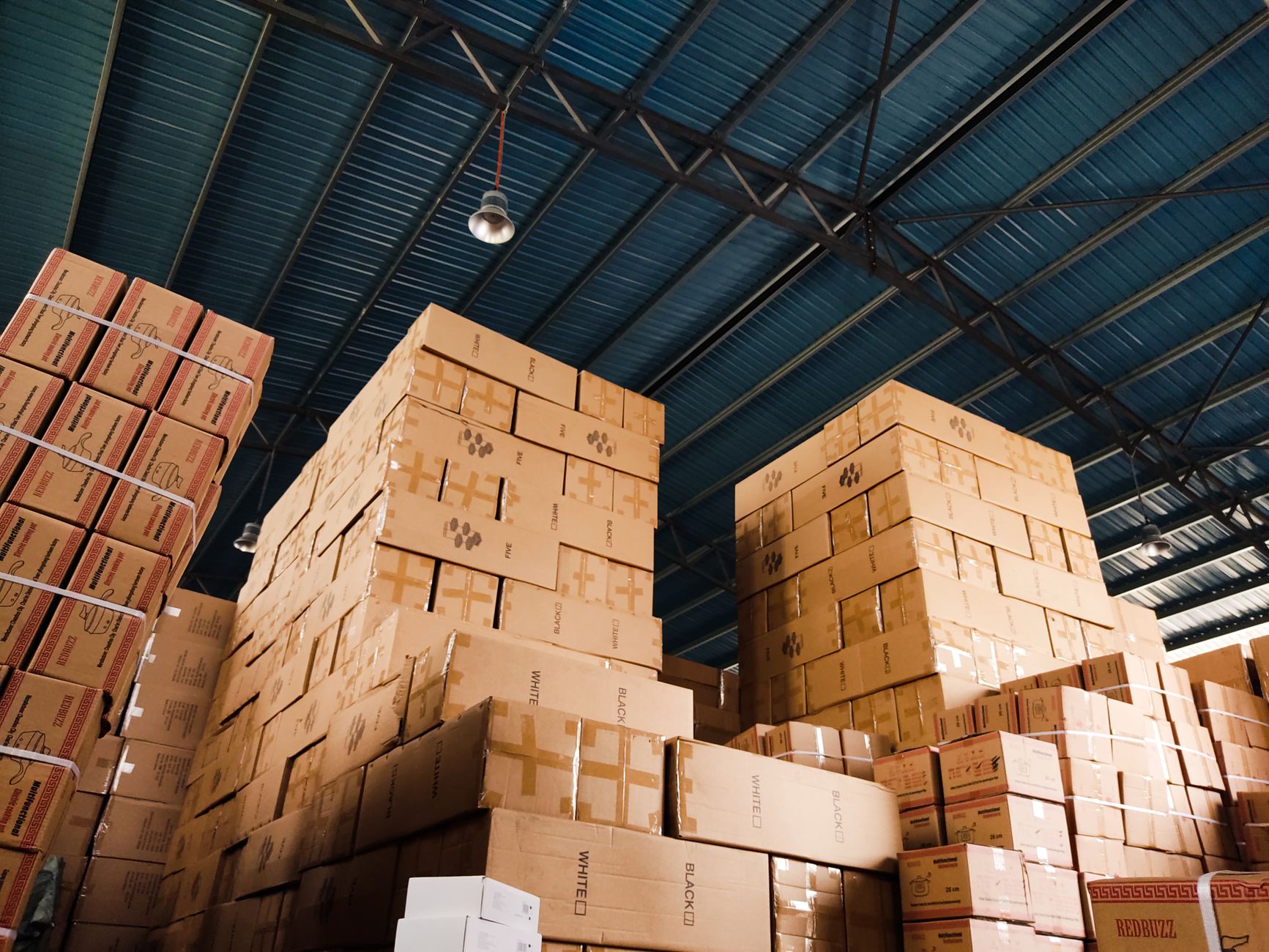
This operation was fighting the classic end of line squeeze. Gloves still had to be stacked, weighed, boxed, and stamped, but the work was heavily manual, manpower-hungry, and vulnerable to drift in pack quality. When the mix changed, the line felt it immediately.
Frequent SKU and carton changes made the problem sharper. Different order formats demanded quick resets, yet manual methods slowed the response and introduced inconsistency just where packaging accuracy mattered most. Throughput was not simply a speed issue. It was a changeover issue, a labor issue, and a control issue all at once.
- Manual stacking, weighing, inner boxing, outer boxing, and stamping created bottlenecks
- Direct labor demand stayed high across repetitive end of line tasks
- Packaging consistency suffered when the line depended on handoffs and manual handling
- Product and carton changes disrupted flow and made quick response harder
How the cell was automated
The documented rollout focused on the packaging steps that were absorbing the most labor and causing the most friction. Fast collaborative handling was introduced for glove packing, collaborative arms were assigned to carton erecting, and an autonomous mobile robot took over the internal transport leg to the next station.
That matters because the deployment did not stop at one isolated cobot. It linked pick and place, carton build, and repetitive transport automation into one packaging flow, which is the difference between a clever machine and usable end of line automation. The result was a line better able to absorb order variation without handing every change back to operators.
- Automate glove packing with collaborative robot handling tuned for multiple packaging sizes
- Use collaborative arms for carton erecting beside operators in a compact footprint
- Move finished boxes to the next station with autonomous mobile transport instead of manual carrying
- Tie the cell together around packaging accuracy, safer handoffs, and faster changeovers
What changed on the floor
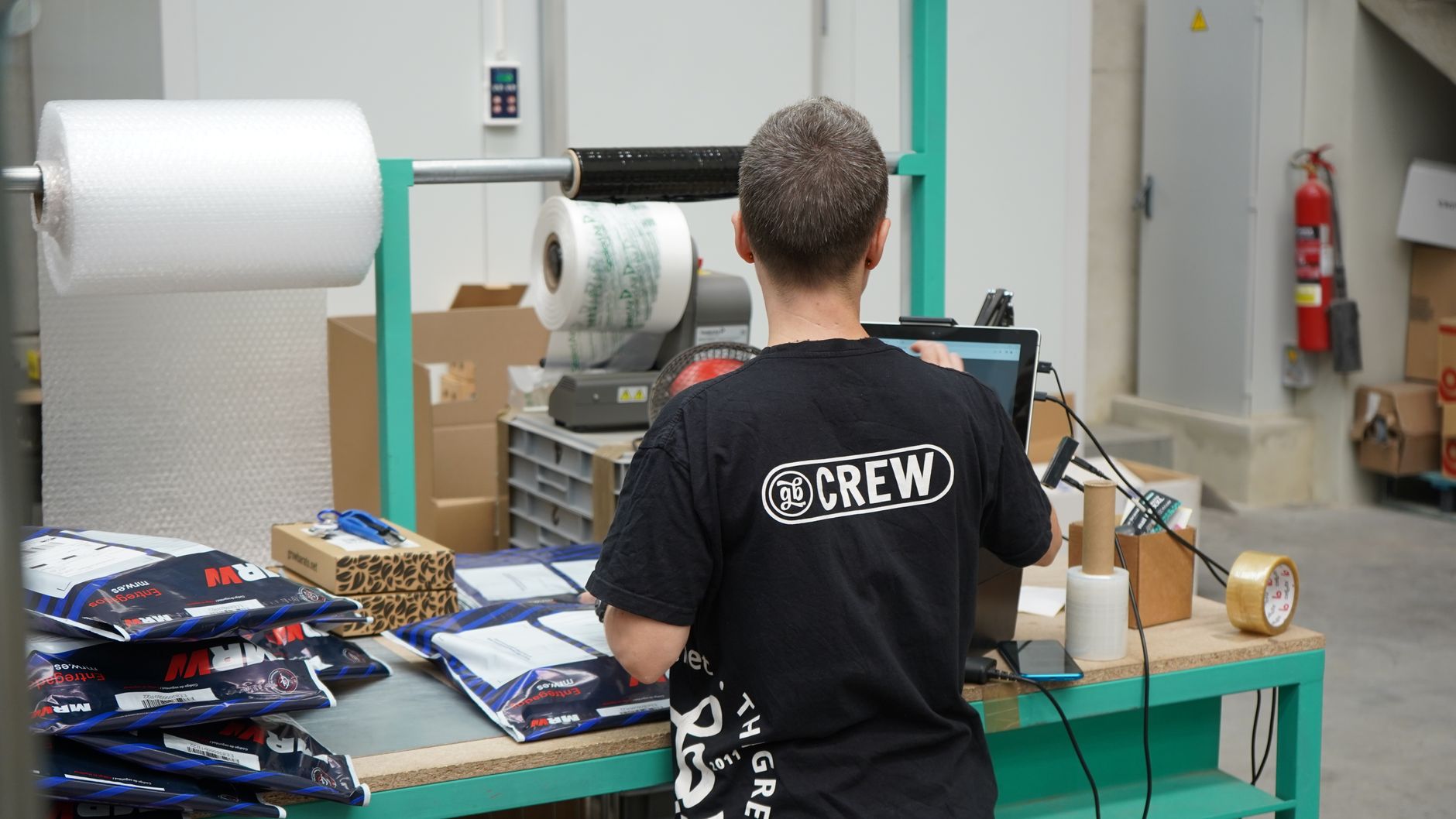
The headline figure is the one buyers care about first. Direct labor in glove packaging fell by 90%. That is a dramatic reduction, but it did not arrive as labor savings alone. The source also reports minimized downtime during product changeovers, stronger packaging consistency, and higher throughput.
Just as important, the line became more adaptable. The operation could support rapid shifts in customer requirements while reducing manual intervention across packing, carton assembly, and box transport. The source reports measurable return on investment within two years, which gives this example unusual weight for packaging teams under labor pressure.
What this means for Service Robot Co. buyers
This study is not a Service Robot Co. deployment, and it should be read honestly as a documented real world example. What it does show is the shape of a project where a vendor neutral robot integrator adds real value: selecting the right cobot and amr mix, planning robot deployment and integration around live production, training the floor team, and keeping every unit supported after go live.
That is the lane Service Robot Co. operates in for US businesses. We act as one partner one number across lease rental or sale, monthly payment programs, robot leasing for business, and robot as a service, then carry the work through deployment, integration, training, and service through a nationwide engineer network. For packaging teams weighing collaborative robot arm rental, cobot rental for manufacturing, autonomous mobile robot rental, or phased deployment no shutdown, the practical question is not just which robot works. It is who owns the whole lifecycle once the cell is live.