
a 165-year-old US brass-padlock manufacturer
Robotic Polishing Raises Shift Output Beyond 5,000 Locks
See how a compact robotic polishing cell raised brass-padlock output from 1,500 to 1,800 per shift to more than 5,000 while handling 18 styles.
- >5,000
- locks per shift
- 2
- compact robots
- 18
- padlock styles
- 8 hours
- measured shift
Based on a documented real-world deployment. Figures are from public reporting; the organization is not named.

An aging cell became the production constraint
A 165-year-old US brass-padlock manufacturer faced rising demand with a robotic polishing system that had already been operating for 15 years. The legacy equipment could no longer deliver the output the plant needed.
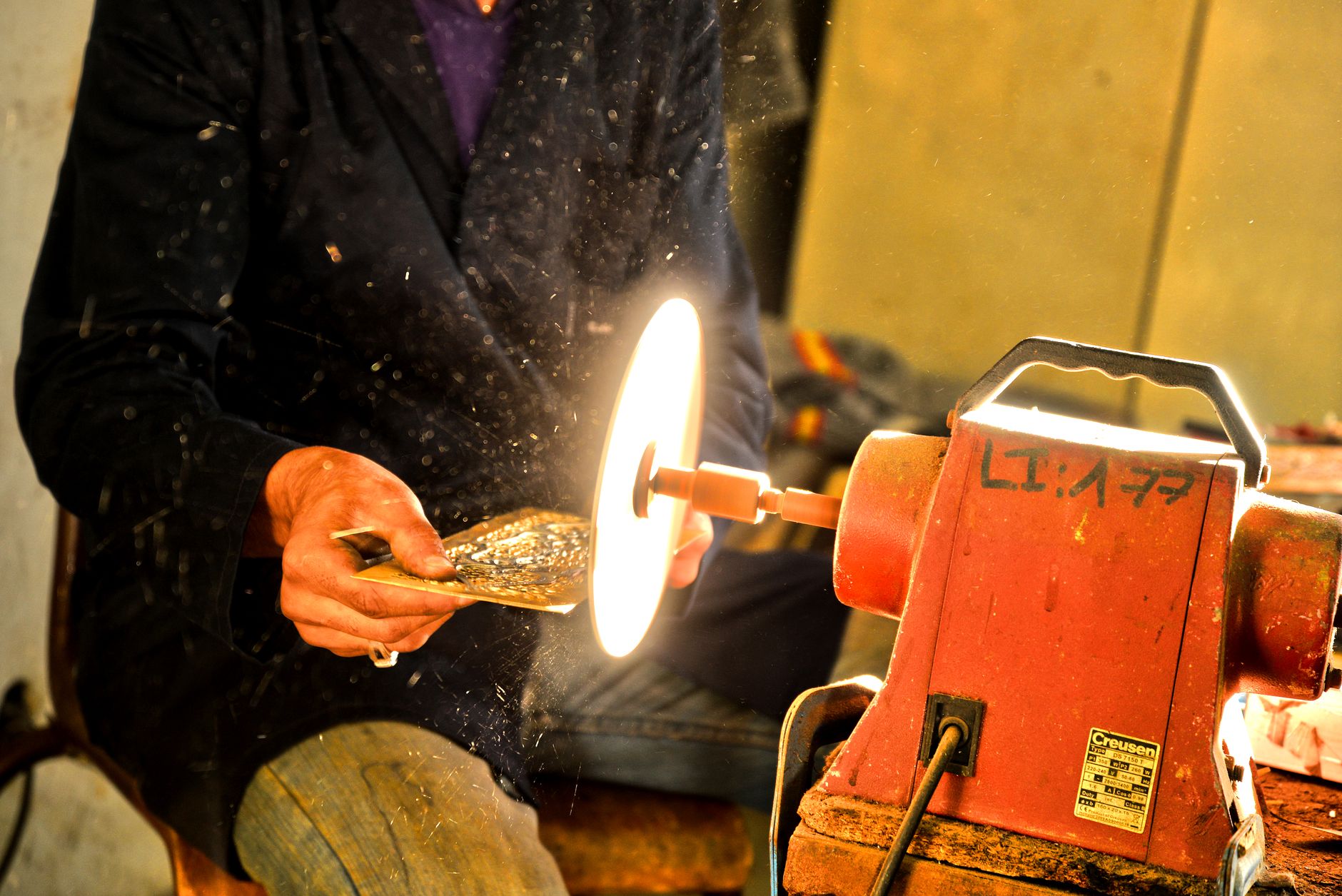
Hand polishing was a poor fallback. The work was tedious and ergonomically taxing, put employees near dangerous fast-moving equipment, and carried high turnover. Limited floor space tightened the brief further because the replacement cell had to occupy the existing footprint.
- Raise finished-lock output without expanding the production footprint.
- Reduce dependence on hazardous, repetitive hand polishing.
- Preserve finish consistency across a high-mix product range.
Compact hardware and adaptable tooling
An integration partner replaced the aging equipment with a robotic polishing cell built around 2 compact, high-speed, high-precision robots. Purpose-built end-of-arm tooling allowed the cell to process 18 padlock styles while remaining inside the plant's existing footprint.
The documented case focuses on cell design and production performance. It does not report a phased rollout, operator training program, or service schedule, so none should be inferred from the outcome.
- Match compact robots to the available floor space and polishing duty.
- Engineer end-of-arm tooling around the manufacturer's product mix.
- Retain a repeatable finishing process while reducing manual polishing.
More than 5,000 finished locks per shift
Before the upgrade, the plant finished 1,500 to 1,800 locks during an 8-hour shift. The new cell pushed that same shift beyond 5,000 finished locks. The source characterizes the gain as production more than doubling.
The operation also reported less downtime and a more consistent, higher-quality finish. Employees moved into safer, higher-value work, while the cell absorbed much of the hand-polishing burden without requiring additional floor space.
A practical model for high-mix finishing
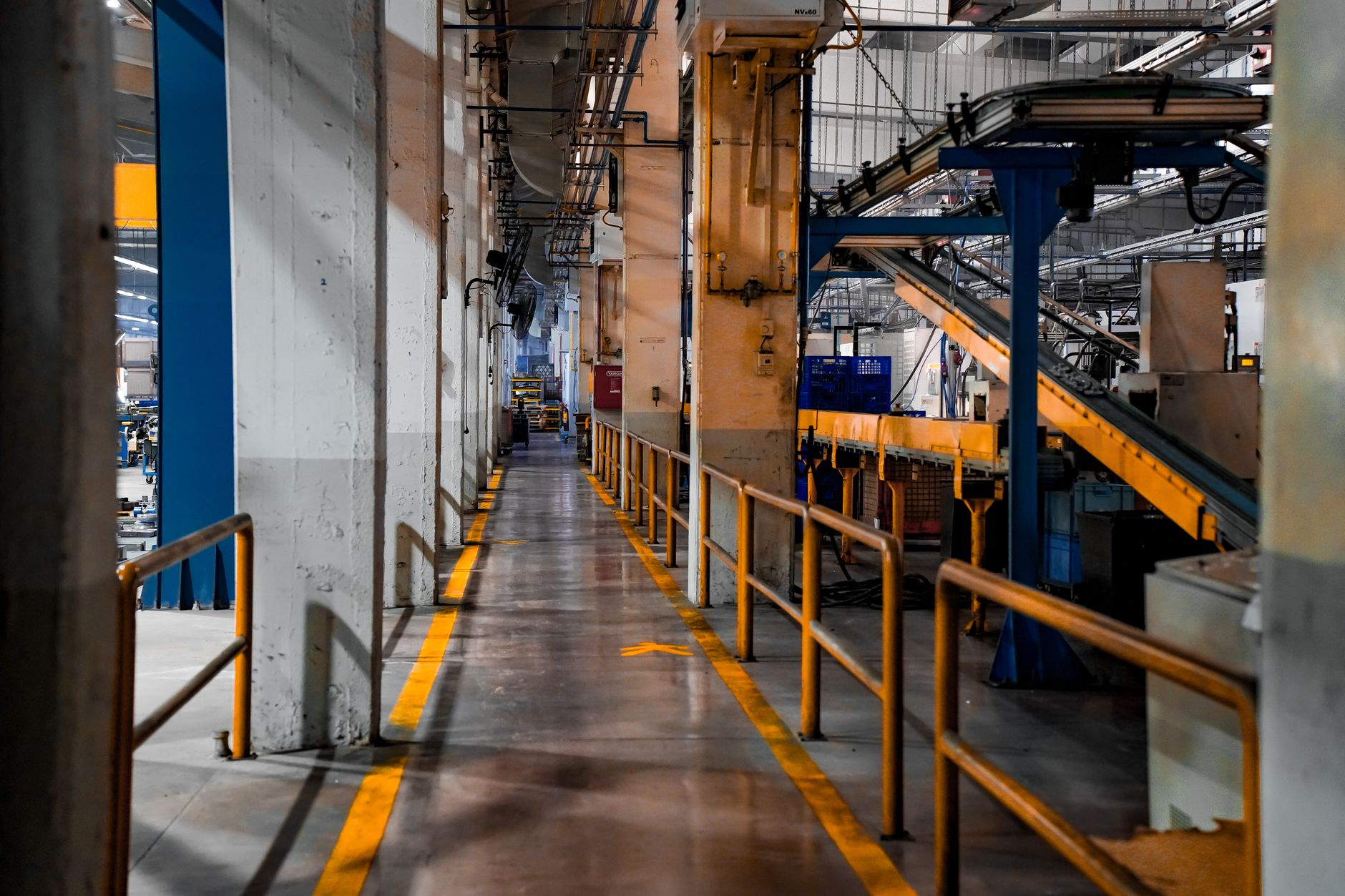
This deployment was not performed by Service Robot Co. It is a documented example we analyze because it captures the real design problem in robotic manufacturing: throughput, part variety, worker exposure, and footprint must be solved together.
Service Robot Co. is a vendor neutral robot integrator for US businesses. We select hardware across manufacturers, arrange robot leasing for business or other monthly payment programs, and manage robot deployment and integration, training, maintenance, and nationwide service through the same accountable relationship.
For a polishing project, that can begin with a free site assessment and commercial robot demo, then move into a robot pilot program or phased deployment no shutdown plan when the process warrants it. Financing structure and RoboCare™ service coverage are scoped around the plant, the parts, and the production risk.
Frequently asked questions
Want a robot working for you?
Tell us the job and the site. We will recommend the robot, quote the lease, and keep it serviced.