
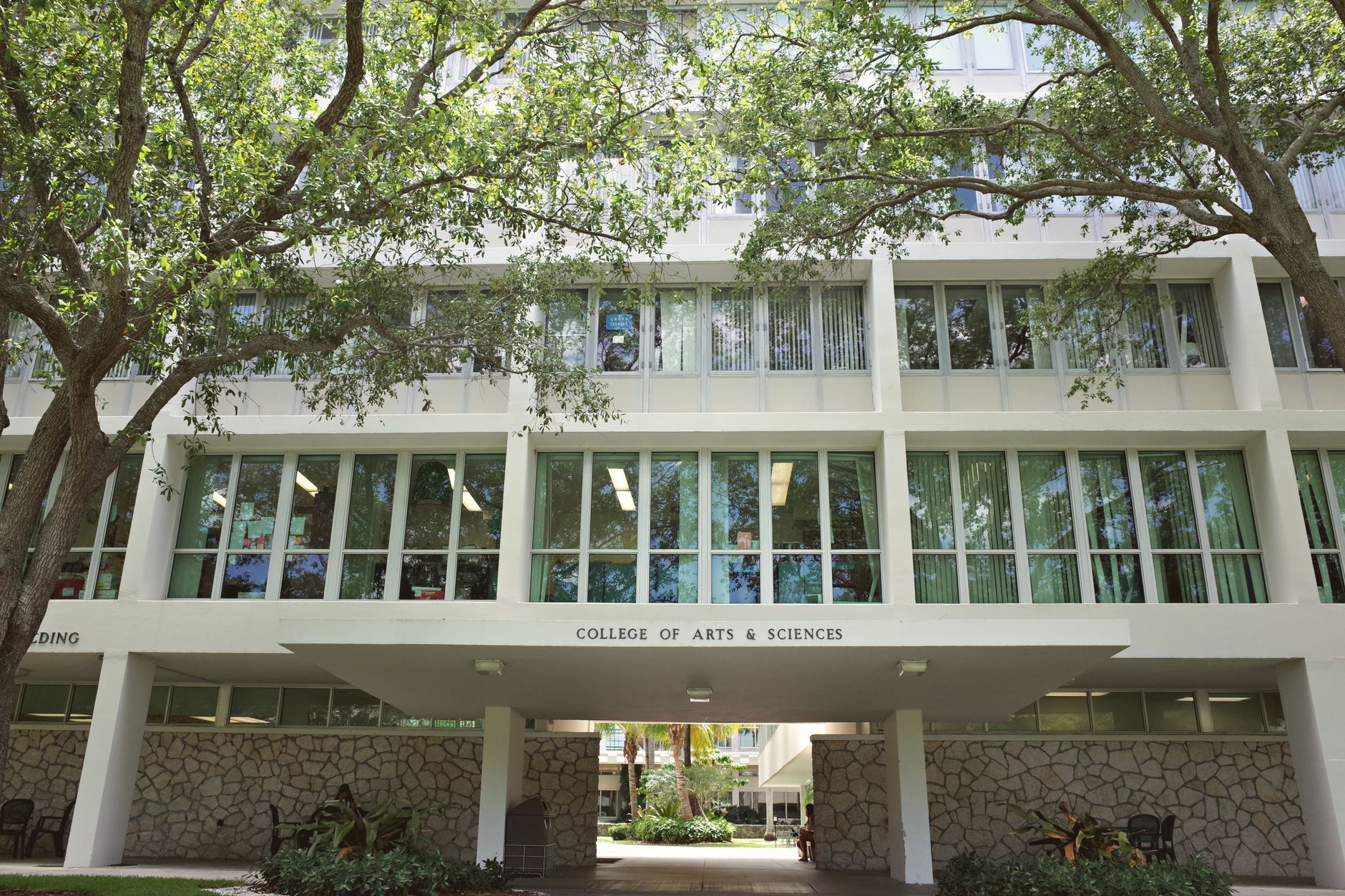
two new academic science buildings at a public university in Ohio
How Twin Ohio Science Buildings Reclaimed 5.5 Custodial Hours Every Day
Autonomous scrubbers on two new campus science buildings returned about 5.5 staff hours daily so crews could focus on clinics, glass, and restrooms before students arrived.
- 5.5 hrs
- daily reclaimed
- 2
- scrubbers live
- 24,500
- sq ft one run
- 4+ hrs
- per unit goal
Based on a documented real-world deployment. Figures are from public reporting; the organization is not named.
Big footprints, clinic-grade standards, and thin coverage
When two new science buildings opened on a large public campus in Ohio, facilities leaders inherited roughly 72,000 and 101,000 square feet of hard floor each, plus very different pressure profiles. One tower is mostly glass and vinyl that shows every scuff; the other hosts clinical training spaces, nearly 40 restrooms, and sanitation expectations closer to healthcare than a typical lecture hall.
Student traffic arrives early and stays late, so floor care that drags into the morning steals time from glass, clinics, and high-touch resets. Custodial managers were already navigating hiring gaps, and veteran staff described hours of mop work as hard on knees and backs. The question was not whether floors mattered, but how to protect appearance without parking a person on a scrubber while clinics waited.
Pair autonomous scrubbers with mapped routes on both shifts
Leadership chose compact collaborative autonomous scrubbers for the two newest buildings, building on earlier campus experience with delivery robots and robotic sweepers. Each unit was mapped to its floors, charged between shifts, and run by the same custodial teams already responsible for those buildings rather than a separate contractor crew.
Coordinators programmed repeatable routes so a scrubber could run on upper vinyl levels or wide corridors while staff washed glass, serviced clinic rooms, and hit restrooms. A fleet dashboard tracked runtime and coverage so managers could compare days and keep both units near a 3.5 to 4 hour daily target per machine.
- Map routes once, then start runs with a single button each shift
- Run scrubbers while staff work on glass, clinics, and restrooms in parallel
- Track square footage and hours cleaned through cloud fleet reporting
- Keep units on both day and evening shifts with shared charging discipline
Measured runtime that bought back half a shift of hands
On a representative day cited in the public write-up, one scrubber logged 4 hours and 17 minutes covering 24,500 square feet in the data science building while the second unit ran about 5 hours across 27,240 square feet in the clinical health building. Those autonomous hours let each team keep at least four hours for other critical tasks that day.
Aggregating fleet data, the buildings director reported saving about 5.5 staff hours per day on average across the deployment. Coordinators said vinyl floors stayed cleaner with fewer visible scuffs, and clinic spaces received more attention because floor machines were not tying up a person for entire blocks of the morning.
What campuses can expect from a vendor-neutral partner
This documented deployment is not a Service Robot Co. customer story. It shows what happens when autonomous scrubbers are treated as crew members with routes, charging discipline, and reporting instead of a one-off demo. Service Robot Co. helps higher education and commercial operators select the right scrubber for each floor type, set up month to month commercial cleaning robot rental or lease paths, map sites, train staff, and keep units running through a nationwide network of regional service engineers.
A free site assessment can mirror the same playbook on your footprint: measure square footage, note clinic or retail adjacency, pilot overnight cleaning with maintenance included, then scale only where the data proves hours returned.