a parking operator managing 12 urban parking facilities across Europe
Parking Garage Cleaning Case Study: Up to 50% Fewer Hours
A parking operator managing 12 urban parking facilities across Europe tested autonomous cleaners, then widened rollout and cut cleaning hours by up to 50%.
- Up to 50%
- fewer cleaning hours
- 12 sites
- broader live rollout
- 20 cm
- reach near pillars
- 1 metre
- margin around cars
Based on a documented real-world deployment. Figures are from public reporting; the organization is not named.
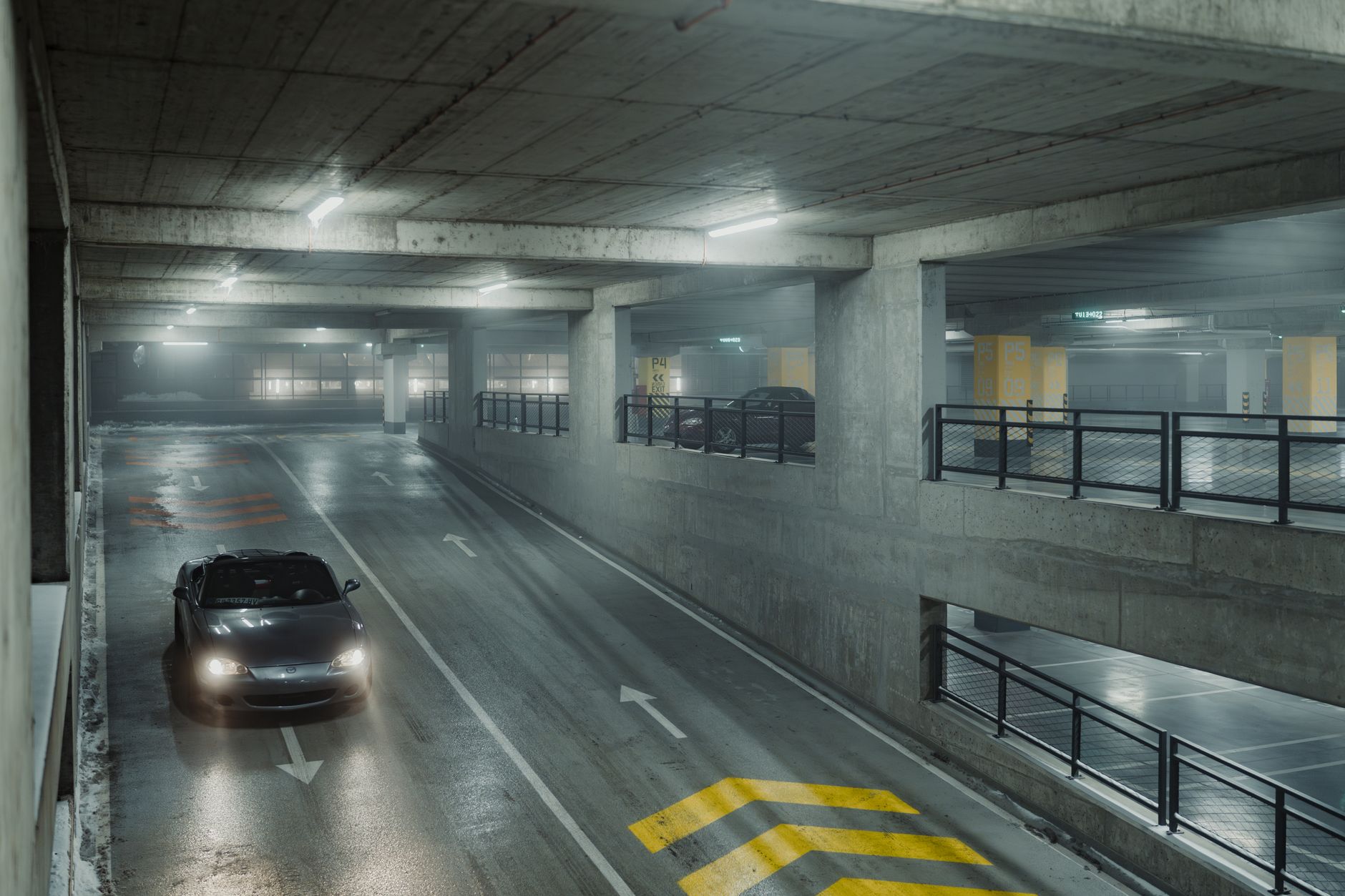
Keeping urban garages clean under real operating constraints
For a parking portfolio spread across dense urban sites, floor care is repetitive, time-sensitive work. Open deck area has to stay presentable, but pillars, parked cars, and uneven operating conditions can quickly pull people back into manual cleanup.
The public account also shows why garage environments are demanding for autonomous equipment. Heavy rainwater, thresholds, gutters, split-floor decks, and base-station space all shaped where the machines could work well and where manual methods still had to stay in the mix.
- Best fit was on flat parking decks.
- A uniform floor coating mattered.
- Night work was preferred when the facility was almost empty.
Test on one site, then expand only what proved out
The operator began with a pilot in 2022, trialing four different autonomous cleaners in one live parking facility. That matters because it grounded the evaluation in actual garage conditions rather than showroom performance.
After extensive testing, two machines were selected and rolled out across 12 parking facilities in the Netherlands and Germany. The expansion followed observed site fit, not a blanket one-machine policy across every garage.
- Pilot in one live parking facility.
- Compare four autonomous cleaners under operating conditions.
- Select two machines after testing and extend them across the portfolio.
Cleaner facilities with materially lower labor demand
The documented result was operationally significant. The operator reports a consistent increase in overall parking facility cleanliness while reducing cleaning hours by up to 50%.
The machines could clean up to 20 cm from pillars, which the source says meant much less manual cleaning. When encountering a parked car, each machine kept a safe margin of about one metre, and cleaning logs showed exactly which areas had been covered and which had not.
The source also reports less wear on floor coatings, which reduced maintenance costs. Quieter electric machines freed Parking Hosts for other, more varied work.
What this means for U.S. parking operators
This is the kind of operating pattern Service Robot Co. is built around. A vendor neutral robot integrator can help a parking operator compare machines across manufacturers, run a pilot on the actual deck, and match the robot that fits your floor instead of forcing one unit into every site.
For teams exploring a parking garage cleaning robot, commercial cleaning robot leasing, or a floor scrubber monthly lease, the real work is wider than the machine itself. Service Robot Co. can finance, deploy, integrate, train, and service each unit through one lifecycle partner, with RoboCare™ service and support built around live operations.