
a 100-hectare organic specialty-crop farm in Germany
Parsley Weeding Falls 90% at a German Organic Farm
See how a German organic specialty-crop farm cut manual parsley weeding from 300 to 30 hours per hectare and ended seasonal crew housing needs.
- 90%
- less parsley hand work
- 300 hr/ha
- manual work before
- 30 hr/ha
- manual work in year one
- 20 people
- crew support avoided
Based on a documented real-world deployment. Figures are from public reporting; the organization is not named.

Seasonal labor had become the constraint
Specialty crops such as parsley demand exacting weed control. At a 100-hectare organic specialty-crop farm in Germany, parsley ordinarily absorbed 300 hours of manual weeding per hectare, making field hygiene heavily dependent on seasonal hands.
Recruitment was already becoming harder, then pandemic travel restrictions made finding workers almost impossible. The burden reached beyond labor in the rows. A 20-person weeding crew also had to be housed, fed and supported throughout the season.
- Manual parsley weeding consumed 300 hours per hectare.
- Seasonal worker availability had become precarious.
- Housing and catering added work beyond the field itself.
Seeding and weed control became one field system
A 100-hectare organic specialty-crop farm in Germany selected a solar-powered autonomous field robot that could seed crops and perform mechanical weeding. The choice addressed the underlying agronomic task while reducing dependence on a recruitment model that had become untenable.
The published account establishes a first-year benchmark but does not document a formal robot pilot program, phased rollout, training curriculum or service arrangement. Those details should not be retrofitted into the record.
- Match the machine to specialty crops that carry a heavy hand-weeding burden.
- Combine precision seeding with repeatable mechanical weed control.
- Track residual hand work against the established parsley baseline.
- Use the initial season to judge field performance before broader operational commitments.

The parsley labor curve changed sharply
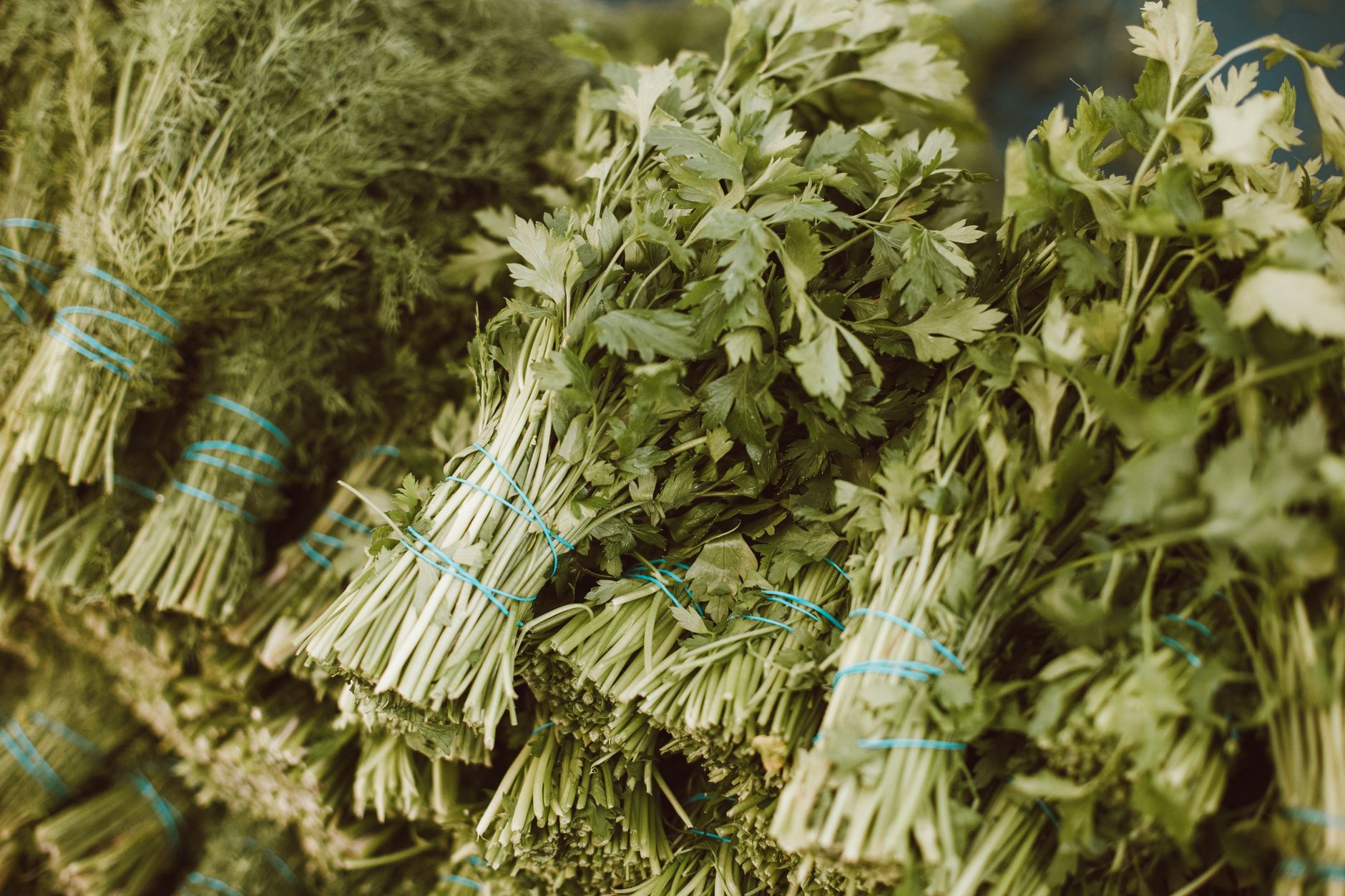
In the first year, manual parsley work fell from 300 to 30 hours per hectare. That is a 90% reduction in the hand-weeding requirement, while still acknowledging that manual work was reduced rather than eliminated.
The staffing consequences extended beyond the crop rows. After the autonomous robot entered service, a 100-hectare organic specialty-crop farm in Germany no longer needed to hire, house and cater for the 20-person crew previously assigned to daily weed removal.
The result was not framed as faster hand weeding. It was a different operating model, with autonomous mechanical work carrying most of a task that had depended on scarce seasonal labor.
A field result with a practical US deployment lesson
This is an independently documented example analyzed by Service Robot Co., not a Service Robot Co. client deployment. Its value lies in showing how carefully selected field robotics can move a labor-intensive task away from a fragile seasonal staffing model.
For US businesses, Service Robot Co. acts as a vendor neutral robot integrator across the full lifecycle. The team conducts a free site assessment, selects equipment across manufacturers, structures robot leasing for business or other monthly payment programs, and handles robot deployment and integration, training, remote triage and on-site dispatch.
That one partner, one number model matters in agricultural robotics, where agronomic fit, operator confidence and dependable robot maintenance service plans carry as much weight as the machine itself. Service Robot Co. supports deployed units through a nationwide US engineer network, giving operators one accountable vendor from selection through field service.