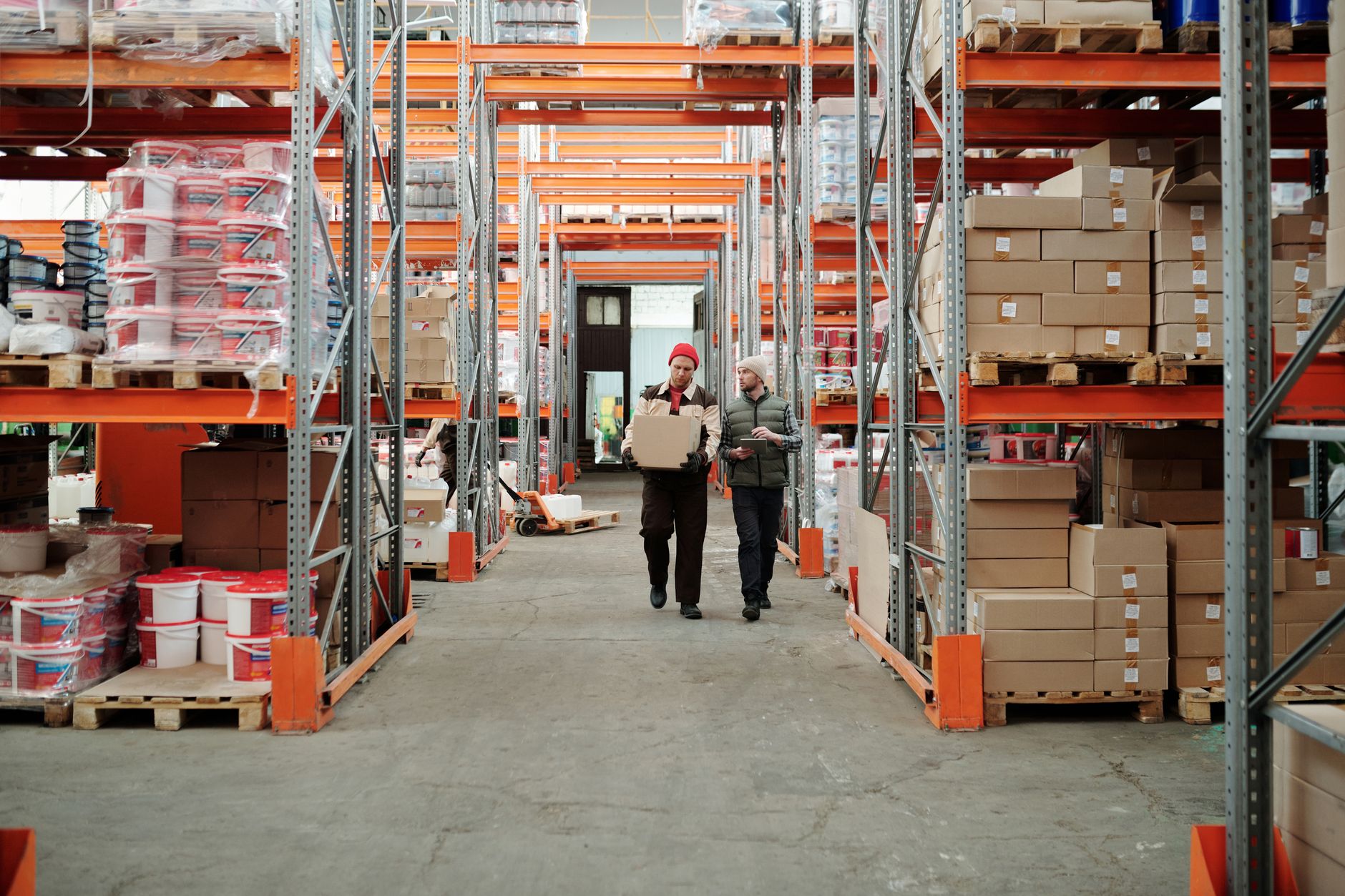
a heavy-equipment parts distribution center in the Midwest United States
How a Midwest Parts Hub Runs 38 to 44 Autonomous Scrubber Hours Weekly
Midwest parts hub: 38-44 autonomous scrub hours weekly after 40+ manual hours, 1M sq ft cleaned, staff redeployed, cleaner floors per published case.
- 38-44 hrs
- Weekly autonomous
- 1M sq ft
- Cleaned weekly
- 250K sq ft
- Building size
- 40+ hrs
- Manual time freed
Based on a documented real-world deployment. Figures are from public reporting; the organization is not named.
Floor care that ate a full workweek
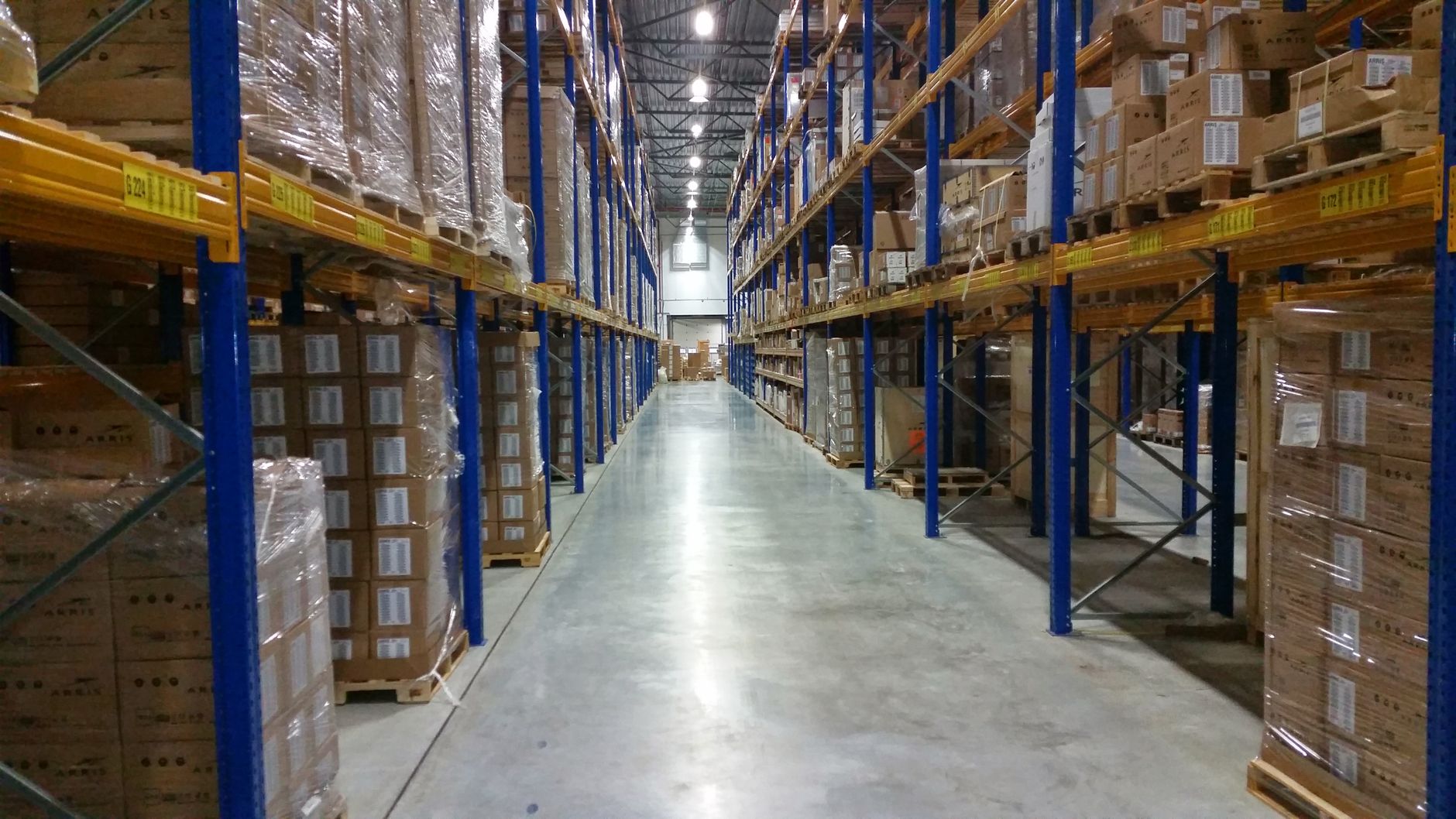
Parts distribution centers live on throughput. Pallets move, tires shed fine dust, and concrete aisles show every forklift pass by afternoon.
In this documented example, leaders said keeping floors clean required more than 40 hours a week from one employee on a manual ride-on scrubber inside a 250,000-square-foot building. That is a full job hiding inside another job.
The team wanted cleaner, less dusty floors without burning labor on a task that did not move parts out the door. They also wanted to cut chemical use where possible while holding audit-ready appearance.
- More than 40 weekly hours on manual scrubbing
- Dust and tire wear spread through a high-traffic warehouse
- Labor tied up on floors instead of packaging and throughput work
Route planning before the first autonomous run
In mid-2022 the site evaluated autonomous industrial floor scrubbing as its first machine of that type on the property. Leadership treated it as a sustainability and labor project, not a novelty purchase.
Before installation the team pre-planned scrub routes and trained staff to keep aisles clear and items in their places. That discipline reduced machine assists and kept autonomous runs efficient.
The autonomous scrubber uses a lithium-ion battery pack and a chemical-free scrubbing technology the source describes as effective without traditional detergents. Operators learned start, monitor, and recovery routines so the unit could run on schedule with minimal babysitting.
- Map routes while aisles still match daily traffic patterns
- Train warehouse staff on clear aisles and dock discipline
- Pilot autonomous runs before redeploying the manual operator
- Document assist events and adjust routes weekly
Measured floor coverage and labor shift
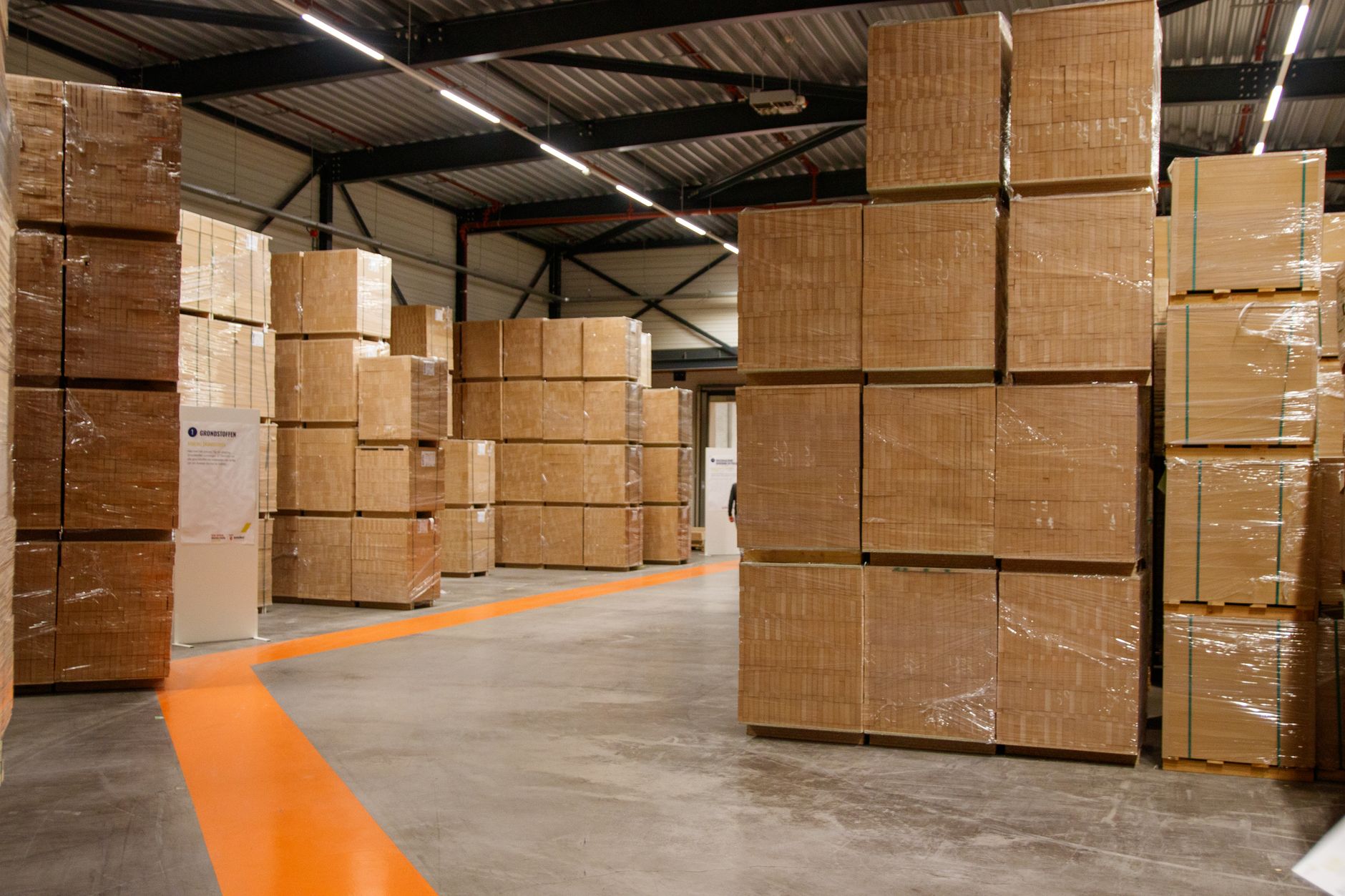
The site reports cleaning about one million square feet each week across the building footprint. The autonomous scrubber now runs between 38 and 44 hours per week on its own.
The employee who previously rode the manual scrubber moved to the packaging area, where leadership said the person could contribute more directly to outbound work.
Floors were described as cleaner and less dusty, with chemical-free scrubbing meeting the team's sustainability goal. The project was presented as the first autonomous floor cleaner at the location, setting a template for how future automation might be judged.
What warehouse operators can take from this pattern
This story comes from a published equipment case study at a real parts hub. Service Robot Co. did not deploy or service that specific machine. The numbers still matter for any distribution center leader comparing manual scrubbing to warehouse cleaning robot rental or purchase.
Autonomous floor scrubbers earn their place when route planning and aisle discipline are treated as operational work, not IT work. A vendor-neutral integrator can match scrubber size and battery strategy to your clear heights, dock traffic, and night-shift windows, then support the unit through monthly payment programs, lease rental or sale paths, and nationwide maintenance.
If you are weighing robot as a service against hiring another overnight cleaner, start with a free site assessment. Map one million square feet of weekly demand down to realistic autonomous hours, pilot on a single zone, and measure dust, slip risk, and labor redeployment before you scale.