
a national automotive and industrial parts distributor operating high-volume distribution centers
How a Parts Distributor Raised Pick Rates From 30 to 110 Units per Hour With AMRs
A national parts distributor reported pick rates jumping from 30 to 110 units per hour, a 266% gain, after deploying 49 AMRs integrated with its WMS in about four months.
- 266%
- Pick speed
- 110 UPH
- New rate
- 49
- AMRs live
- 106d
- Go-live
Based on a documented real-world deployment. Figures are from public reporting; the organization is not named.

Same-day shipping with too much walking
A national automotive and industrial parts distributor operating high-volume distribution centers promised fast pick-and-ship service while associates spent most of their shift traveling aisles.
Turnover and training load made it hard to hold steady throughput when order volume spiked. Leadership wanted automation that could plug into an existing warehouse management system without a long IT science project.
- Low units picked per hour
- High travel time between locations
- Pressure to scale across multiple customer sites
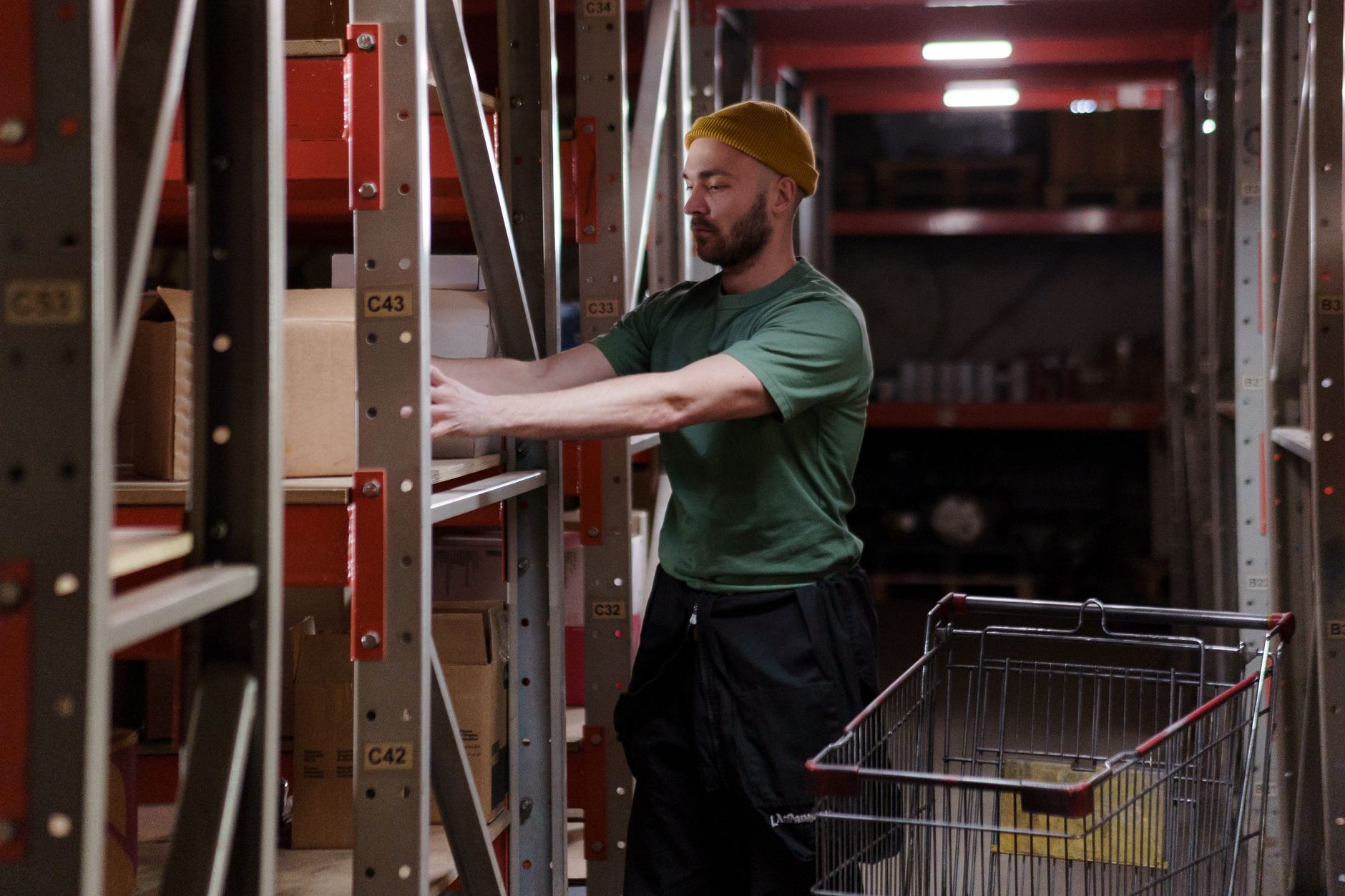
Fleet AMRs tied to live orders

Public reporting describes a rollout of 49 collaborative picking AMRs integrated with the distributor's Korber warehouse management system and Locus Robotics units, completed in roughly 106 days.
When a scan hits the system, an AMR travels the fastest path to the next pick face so associates meet the bot instead of pushing carts across the building.
- Integrate AMRs with the live WMS
- Pilot at three customer-facing locations
- Train pickers on meet-and-pick handoffs
- Expand fleet after phase-one metrics hold
Measured picking throughput
The distributor reported picking speeds of 110 units per hour after deployment, up from about 30 units per hour previously, which industry coverage described as a 266% improvement.
Leaders also cited better accuracy, shorter training time, and labor savings reinvested in wages, according to the same reporting.
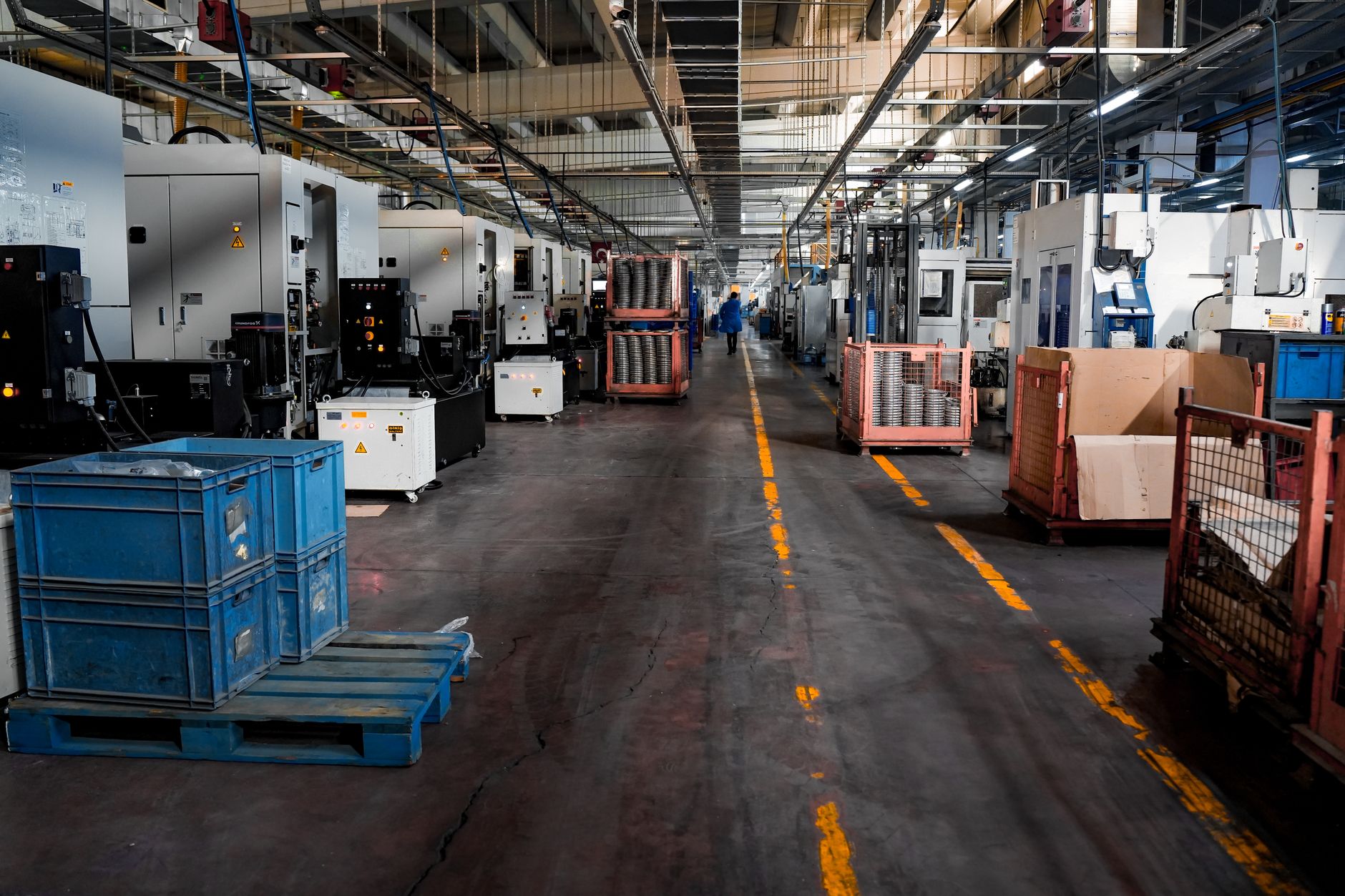
What distributors can copy
The pattern shows how fleet AMRs can lift units per hour when travel is the bottleneck, not picker skill. Service Robot Co. helps US businesses select OEM-neutral warehouse robots, then finance, deploy, integrate, train, and service them nationwide.
We did not run this distributor's rollout. Start with one high-volume lane, prove units per hour against your baseline, then add robots once IT and floor staff trust the order flow.