
a high-mix Austrian components manufacturer
Vision-Guided Cobots Raise CNC Output 11% in Austria
See how a high-mix Austrian components manufacturer used vision-guided cobots to raise CNC output 11% while reporting zero defective parts in use.
- 11%
- output gain in 12 months
- 0
- bad parts reported
- 2,400/day
- parts handled, up to
- <1 hour
- changeover for new parts
Based on a documented real-world deployment. Figures are from public reporting; the organization is not named.
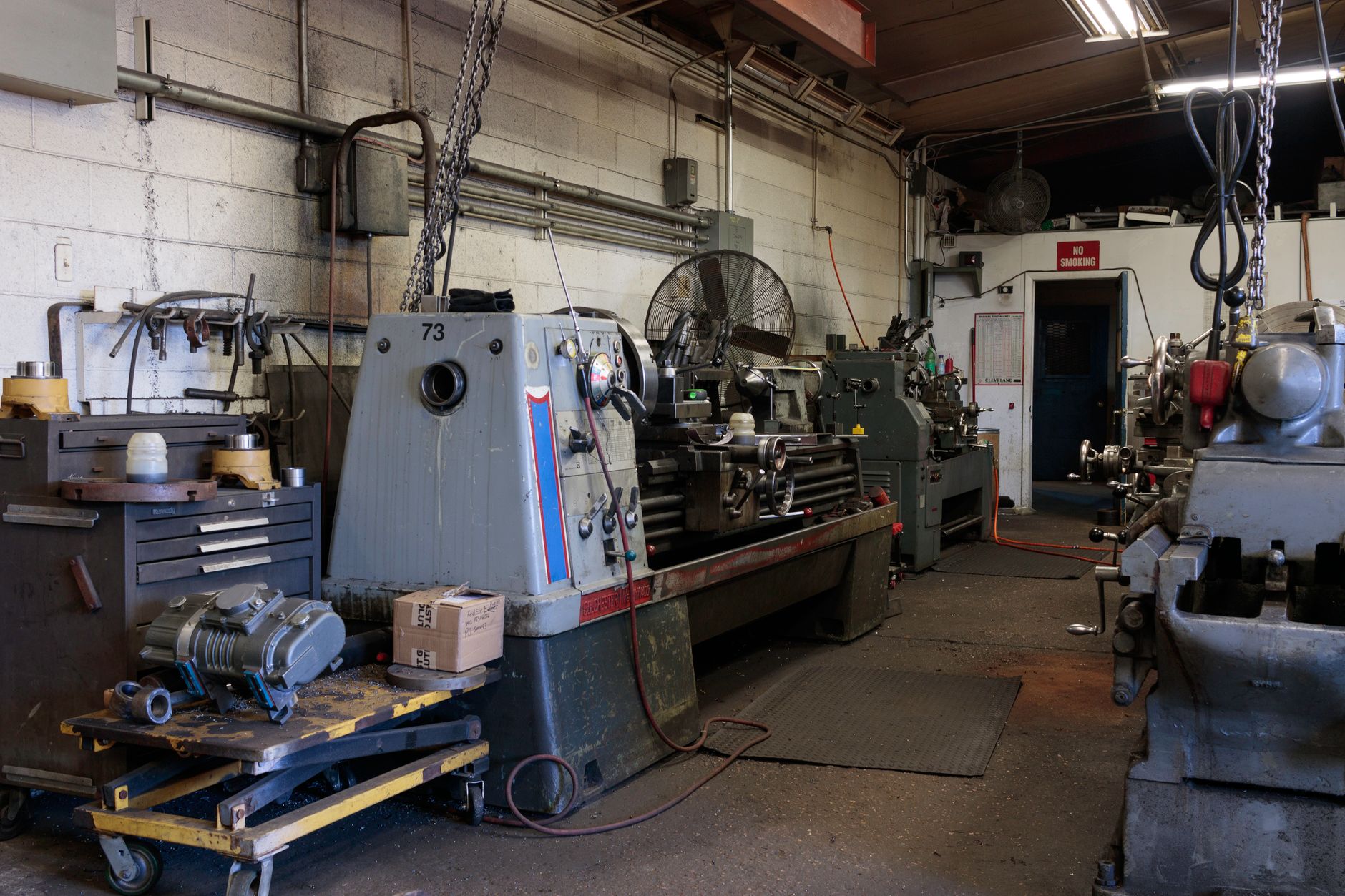
Short Runs, Random Parts, Scarce Skills
A high-mix Austrian components manufacturer needed to keep a CNC mill fed while qualified labor was difficult to find. Its machine park processed aluminum, metal, and plastic components in batches ranging from 500 to 5,000 units.
The input was disorderly by design: parts arrived randomly oriented in a box. Manual presorting would have added handling and undermined the plant's lean operating discipline.
A conventional industrial robot was tried first, but small batches made quick reconfiguration more important than raw speed. The operation needed a machine tending robot that could recognize complex surfaces, change jobs quickly, and place each workpiece precisely.
- Qualified labor was scarce in a region described as having full employment.
- Random bin picking had to work without manual presorting.
- Short production runs demanded simple programming and fast changeovers.
- CNC loading required precise, repeatable part orientation.
A Vision-Guided, Modular Cobot Cell
The manufacturer developed a bin-picking cell around two collaborative robot arms and an external 3D camera. The camera scanned the box, generated a 3D scatter plot, and located each part's surface and position.
A vacuum-equipped arm lifted a part and used an added tool axis for collision-free handling. It checked orientation in a temporary tray before the other arm loaded the correctly presented part into the CNC mill's hydraulic clamp.
The workstation was modular, with exchangeable shelves and clamping devices plus stored programs for twelve components. Changeover to new parts took less than an hour, and collaborative operation followed a completed risk assessment.
The published account documents the technical selection and cell configuration, but it does not describe operator training, a formal phased rollout, or ongoing service arrangements. Those details should not be inferred.
- Prioritize simple operation and flexibility for small batches.
- Use 3D vision to locate randomly oriented workpieces.
- Add intermediate alignment before CNC loading.
- Modularize fixtures and store repeatable part programs.
- Complete the risk assessment before collaborative operation.
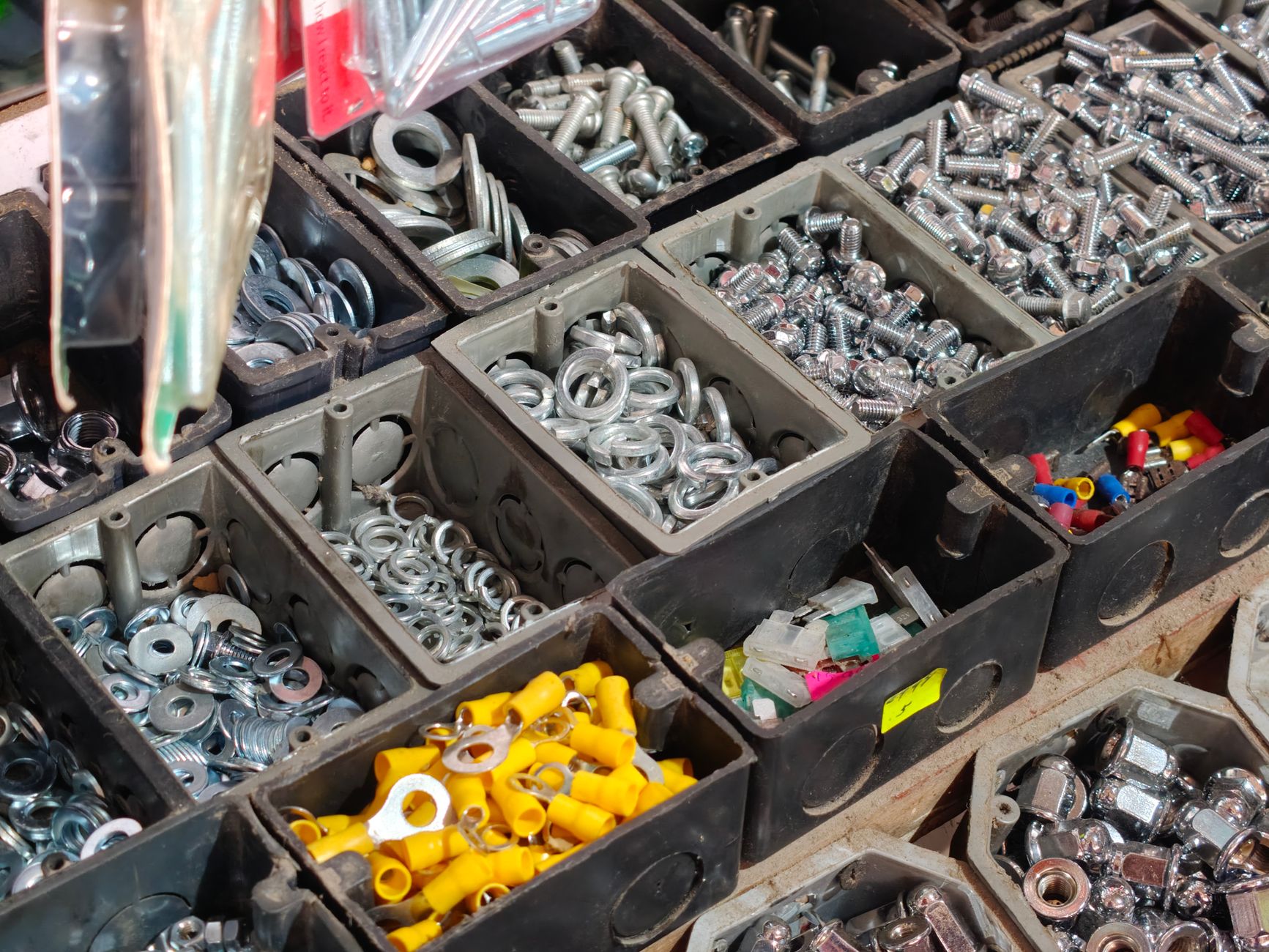
More Output, With No Bad Parts Reported
Within twelve months, output in the application area increased 11%. Across two-shift operation, the cobots handled up to 2,400 aluminum parts per day.
The manufacturer's managing director also reported that no bad part had been produced since the cobots entered use. That is a source-reported operating result, not an independent quality audit, but it pairs a measurable throughput gain with a strong shop-floor quality claim.
The cell also delivered changeovers in less than an hour across twelve programmed components. For a high-mix operation, that adaptability is central: automation remains useful when the next order changes.
What This Example Means for US Manufacturers

This documented deployment was not performed by Service Robot Co. It shows the operating pattern Service Robot Co. helps US businesses evaluate: match vision, gripping, fixtures, controls, and a collaborative arm to the actual part mix instead of forcing a plant into a manufacturer-specific catalog.
As a vendor neutral robot integrator, Service Robot Co. can assess the site, select equipment across manufacturers, arrange commercial robot leasing, robot leasing for business, or a sale, and manage robot deployment and integration. Training, go-live support, remote triage, and on-site service are coordinated through a nationwide US engineer network.
For plants considering collaborative robot arm leasing or cobot leasing for manufacturing, the commercial structure matters alongside the cell design. Monthly payment programs can align spending with use while an accountable partner manages the robot lifecycle.