
a busy international passenger and cruise port in southern England
Passenger Terminal Scrubber Saves 572 Cleaning Hours Annually
See how an autonomous floor scrubber saved 572 cleaning hours and 5,356 liters of water annually at a high-traffic passenger terminal.
- 572 hr
- saved annually
- 5,356 L
- water saved annually
- 62 min
- terminal cleaning cycle
- 685 m²
- floor area cleaned
Based on a documented real-world deployment. Figures are from public reporting; the organization is not named.
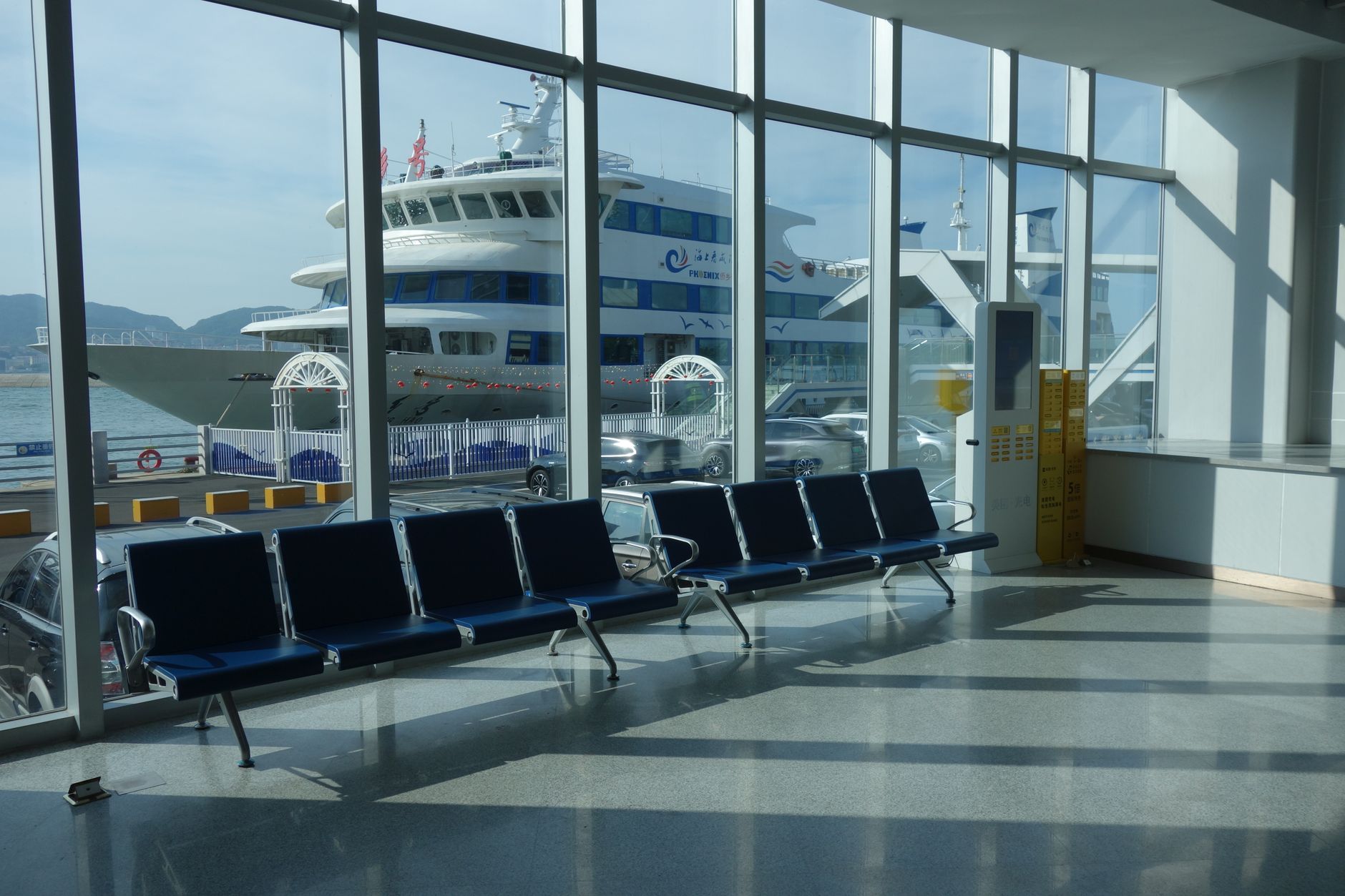
Cruise traffic made the cleaning window volatile
A busy international passenger and cruise port in southern England faced abrupt surges of visitors and employees as vessels arrived and departed. That volatility made consistent floor care difficult, particularly when cleaning teams had to protect standards at every hour of the day.
The main terminal and baggage hall were especially important. Their hard floors covered 685 m², and four rows of fixed seating complicated machine movement. Limited nighttime hours left little tolerance for delays or uneven coverage.
- Respond to unpredictable passenger peaks without lowering cleaning standards.
- Keep the main terminal and baggage hall presentable during constrained work windows.
- Reduce water use while releasing cleaners for other areas.
A focused trial became part of the daily routine
The cleaning contractor began with an autonomous floor scrubber trial, comparing its performance with the traditional scrubber dryer already used on site. The evaluation centered on cleaning time, water consumption and the effect on labor deployment.
The team introduced the machine to the cleaners, mapped the assigned area in less than 30 minutes and set a route through the main terminal and baggage hall. After the trial, the scrubber became a permanent part of the daily cleaning routine and operated for 1.5 hours per day, seven days a week.
This was a deliberately bounded deployment rather than a sweeping fleet rollout. The source documents setup and staff introduction, but it does not describe a formal maintenance program or phased expansion beyond the initial route.
- Compare autonomous performance with the incumbent cleaning method.
- Map the terminal route and account for fixed seating.
- Introduce the scrubber to the cleaning team before daily use.
- Use performance analytics to assess time, water and labor effects.
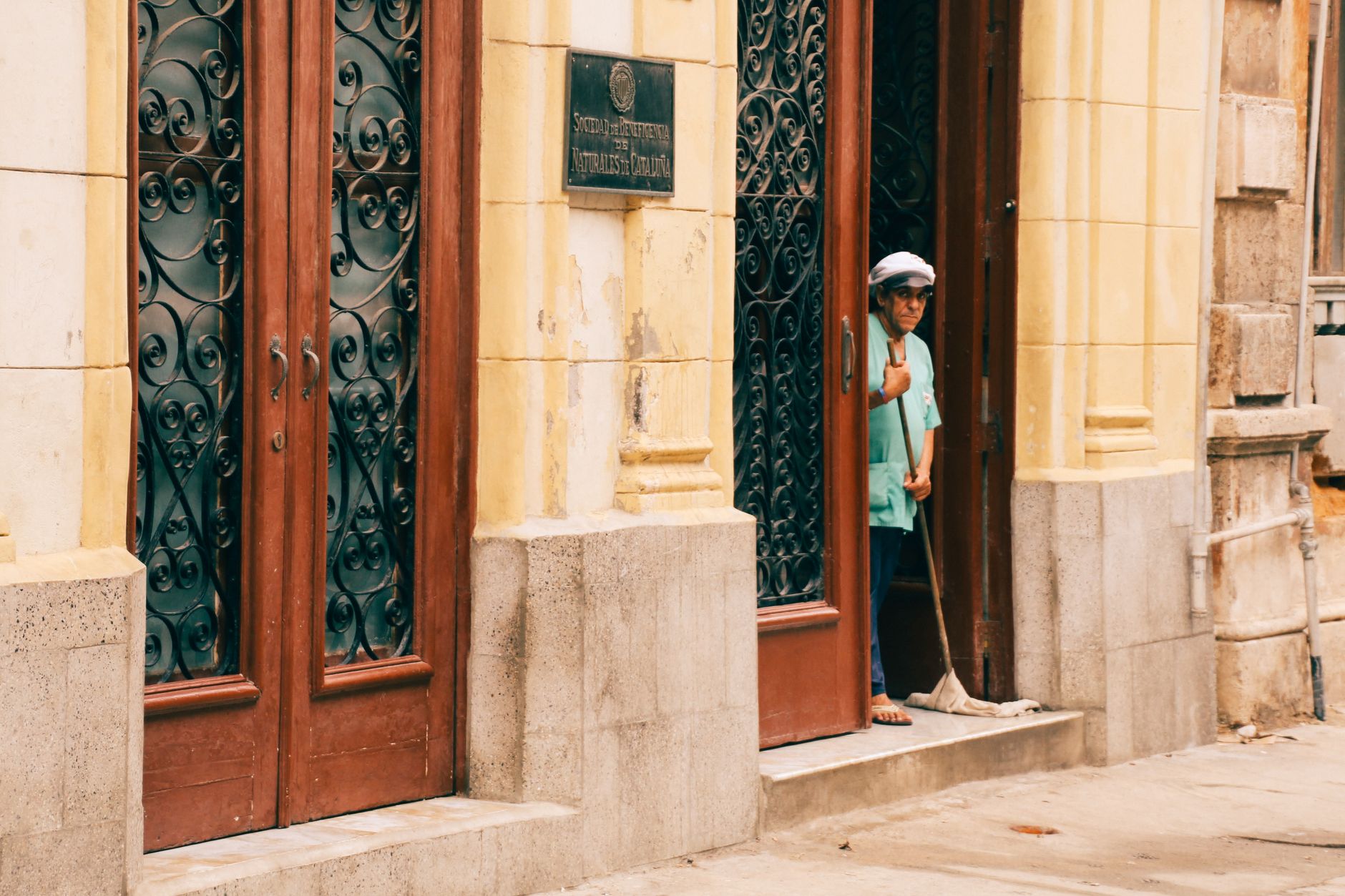
Measured savings with useful operational context
The published case study reports 572 cleaning labor hours saved annually. It also reports 1.5 cleaning hours saved per day, allowing cleaners to work elsewhere while the autonomous scrubber handled the assigned floor area.
Annual water savings reached 5,356 liters. The machine completed the 685 m² cleaning task in 62 minutes, giving the crew more room to improve other areas during limited nighttime hours.
The scrubber was capable of covering up to 1,200 m² per hour, but the fixed seating reduced effective coverage to just under 700 m² per hour in this terminal. That distinction matters. Real large facility coverage depends on the physical layout, not a headline specification alone.
A practical model for passenger terminal floor care
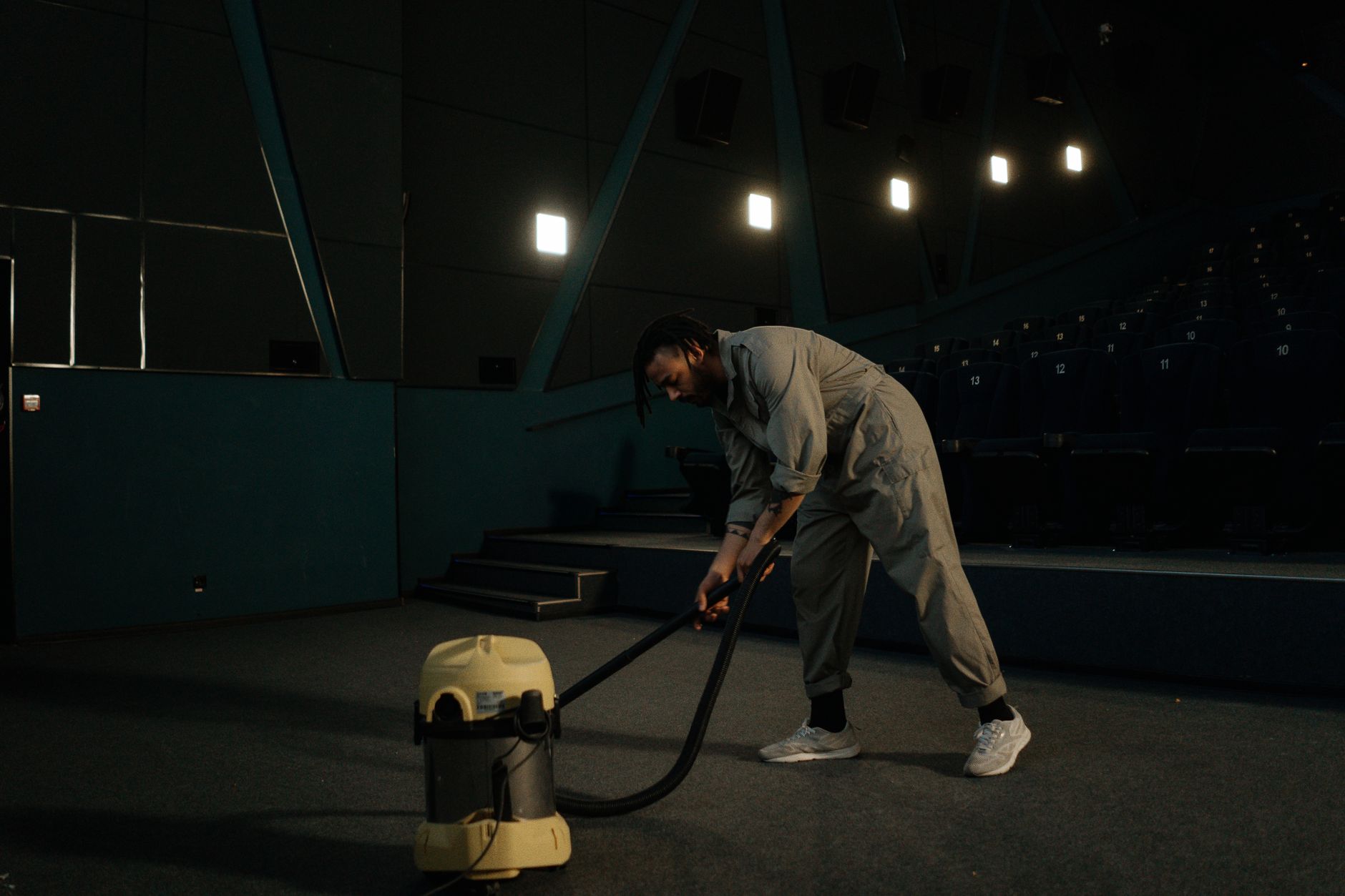
For terminal operators, the lesson is not simply that automation cleans floors. A carefully mapped night shift autonomous scrubber can absorb a predictable hard-floor task while people handle detail work and sudden passenger-driven demands.
Service Robot Co. applies that logic for US businesses as an OEM-neutral commercial robot integrator. We assess the site, select the robot that fits the floor across manufacturers, arrange financing, deploy and integrate the equipment, train the team, and support every unit through a nationwide US engineer network.
That full-lifecycle model can support an autonomous floor scrubber lease, commercial cleaning robot leasing or floor scrubber monthly lease according to the buyer's operating needs. Site assessment mapping, a robot pilot program, go-live support and ongoing robot maintenance sit with a single vendor, rather than leaving the operator to coordinate multiple parties.
Frequently asked questions
Want a robot working for you?
Tell us the job and the site. We will recommend the robot, quote the lease, and keep it serviced.