
a high-volume dining venue in a ski destination
Ski-Destination Dining Case Study: 50% of Runs and Clears Automated
A high-volume dining venue in a ski destination automated about 50% of delivery and clearing work, easing labor shortages during peak rushes.
- 50%
- Delivery and clearing work automated
- 1/2
- Of repetitive transport work shifted
- 2
- Core workflows covered
Based on a documented real-world deployment. Figures are from public reporting; the organization is not named.
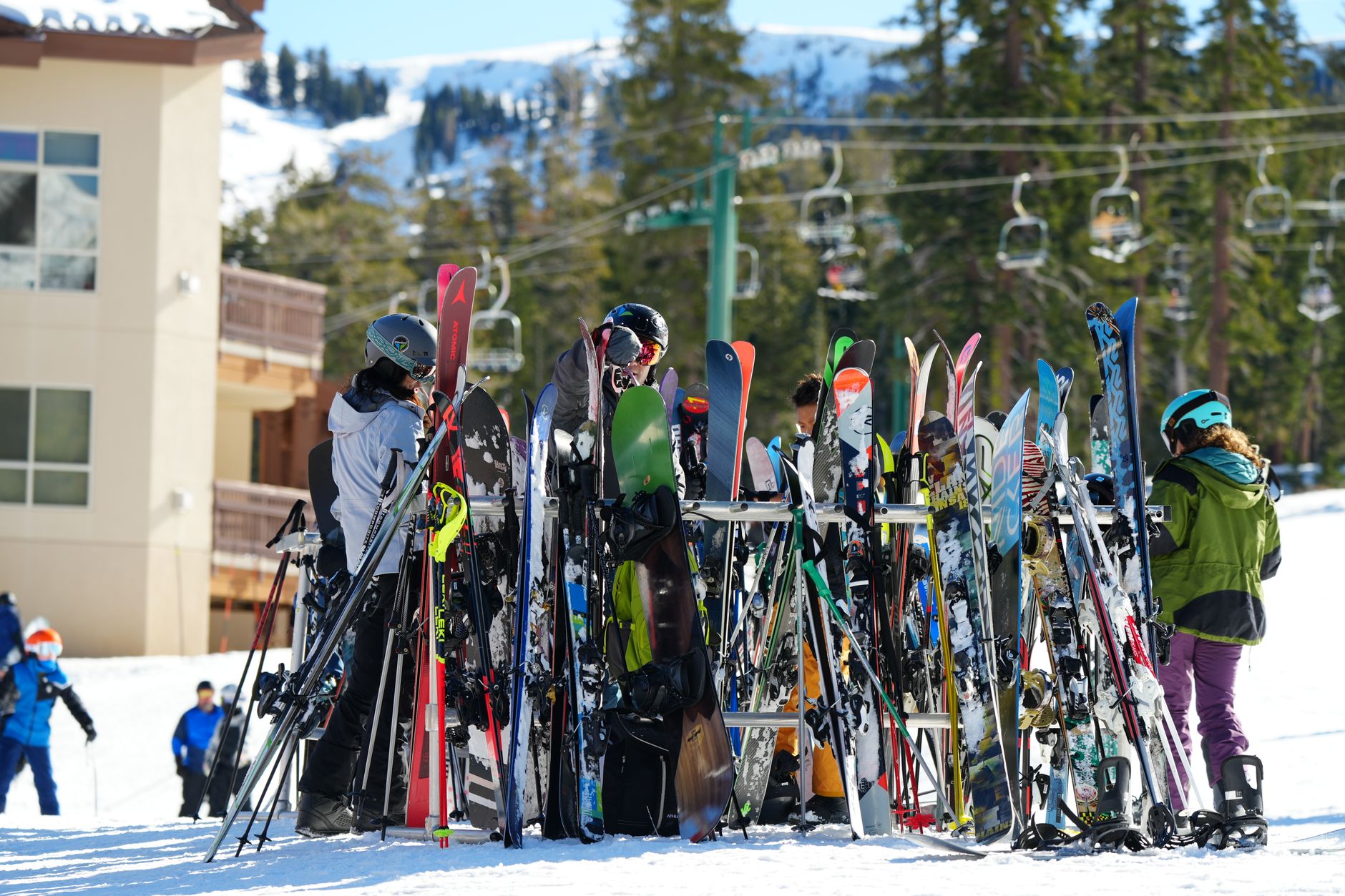
Labor Pressure on a Peak-Season Dining Floor
This operation was dealing with a familiar leisure dining squeeze. Ski traffic compresses demand into sharp rushes, while labor shortages make it harder to keep enough runners and bussers on the floor without stretching service thin.
The published testimonial makes the operating problem plain. The venue needed more capacity for delivery and clearing work, but it could not afford to pull staff away from guest-facing hospitality just to keep plates moving and tables turning.
- Labor shortages strained front-of-house coverage.
- Seasonal ski rushes created heavy bursts of delivery and clearing work.
- Service quality still had to hold under pressure.
Automate the Repetitive Transport Loops First
The published testimonial points to a multi-robot deployment aimed at the most repetitive dining-room traffic: taking items out to guests and clearing them back. That is a disciplined place to start in leisure dining, where walking time compounds fast during peak periods.
The source does not publish route maps, training hours, or rollout dates. What it does establish is the operating logic. Robots took on a material share of delivery and clearing work, and staff time was redirected toward guest interaction and higher-touch service.
- Multiple robots were assigned to delivery and clearing work.
- Staff were freed for guest interaction instead of repetitive transport.
- The venue kept service moving through labor shortages and ski-season rushes.
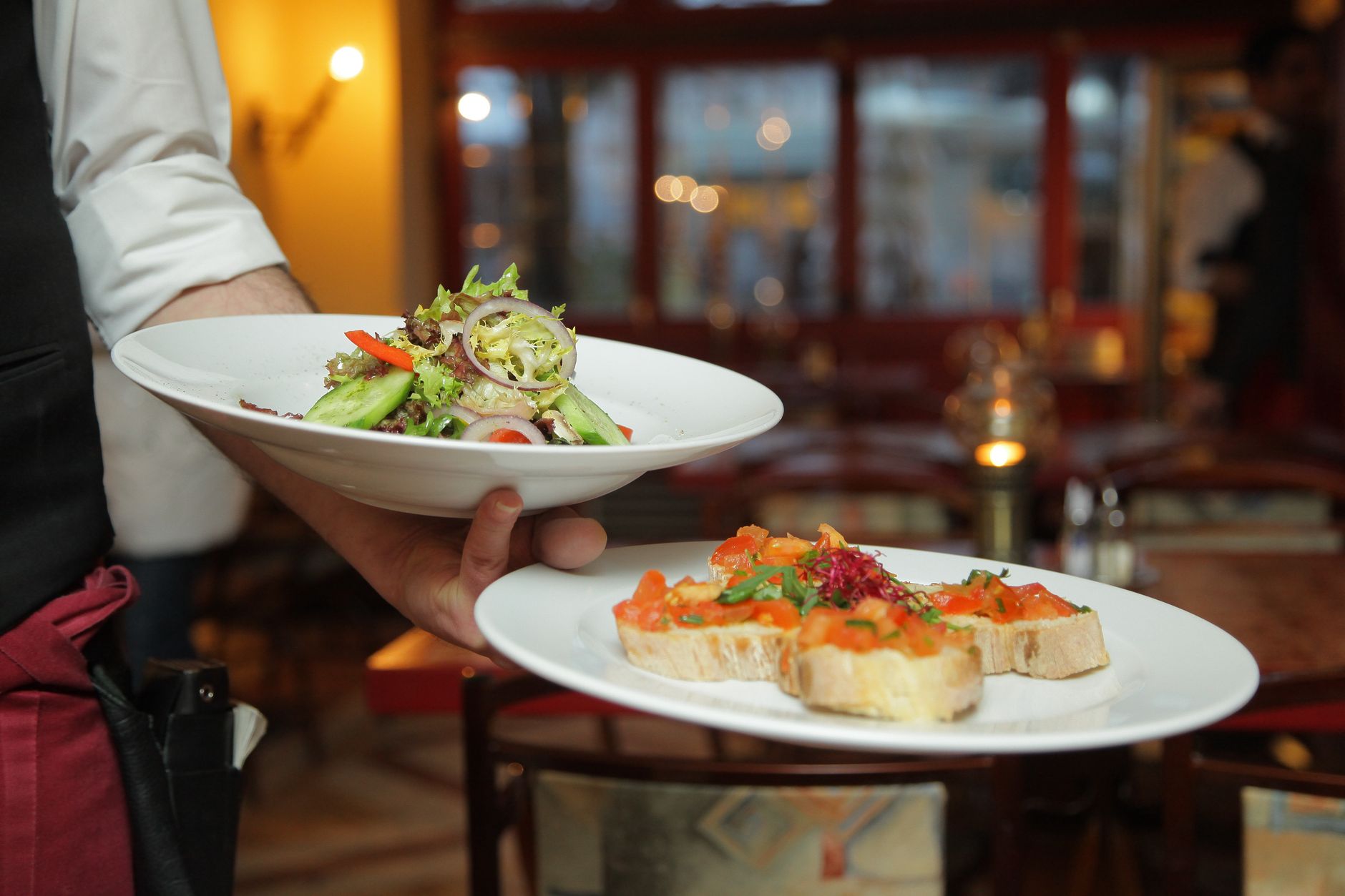
Half the Running and Clearing Work Shifted Off Staff
The headline result is clear and source-backed: about 50% of delivery and clearing work was automated. For a busy full-service venue, that is a meaningful operational gain because it removes a large share of the back-and-forth traffic that wears down a floor team.
The operator also reports faster table turns, stronger guest interaction from staff, and steadier performance during labor shortages and ski-season rushes. No extra figures are published for turn time or satisfaction, so the honest read stays qualitative beyond the reported half of work automated.
What This Means for Service Robot Co. Buyers
For US operators, the lesson is not to hunt for novelty. It is to match a restaurant delivery robot lease or food service robot leasing program to the exact trips that clog service, then support that program across selection, financing, rollout, training, and service so the operation actually holds up on live floors.
That is where Service Robot Co. fits. As a vendor neutral robot integrator, the company helps buyers choose the right food runner robot or busser robot across manufacturers, then handles robot deployment and integration, service robot leasing structures, robot leasing for business, purchase or lease options, monthly payment programs, RoboCare™ service support, remote triage, and on-site dispatch through the life of the fleet.