
a large pediatric hospital in California
A Large Pediatric Hospital in California Reports 1,400 Robot Medication Deliveries
How a large pediatric hospital in California reports 900 staff hours saved over about 2.5 months of medication deliveries, and what a robot lease involves.
Deployment at a glance
- 1,400+
- Medication deliveries reported by the hospital
- 900
- Staff hours saved, as reported by the hospital
- 2.5 months
- Period covered by the reported results
Based on a documented real-world deployment. Figures are from public reporting; the organization is not named.
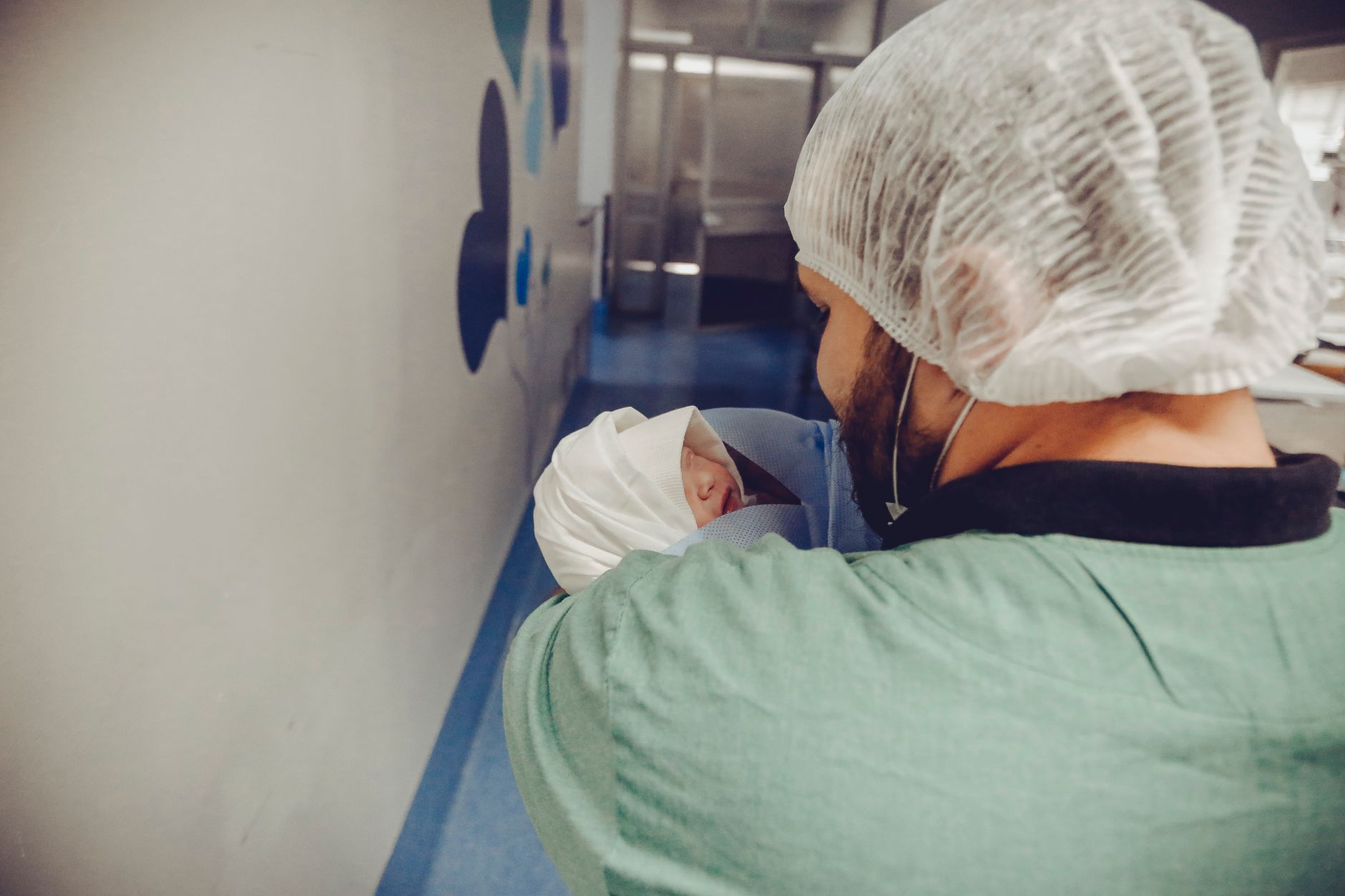
Medication runs that cannot wait
A children's ward runs on a clock. Medications, doses and supplies have to reach the right bedside on time, and every hallway run pulls a nurse, pharmacy technician or support worker away from patient care.
For a large pediatric hospital in California, the question was how to return that trip time to the bedside. Hallway runs are necessary, but they are one of the few tasks a mobile delivery robot can take over without touching the clinical decision itself.
- Medication runs between pharmacy and inpatient units
- Staff time pulled from bedside work
- Pediatric routines with little room for delay
Route first, robot count second
A deployment of this kind starts with a site assessment that maps the hallways, elevators and doors a robot will use, and identifies which medication runs repeat most often. The robot is chosen to fit that building and that workflow, not the other way around.
A phased rollout keeps the ward running. Staff learn the loading, sending and receiving steps on a defined route before the number of units or routes grows, and go live support stays with the team until the new routine holds.
- Site assessment and route mapping
- Robot selection matched to the building and floor plan
- Phased rollout on defined medication routes
- Staff training on loading, sending and receiving
- Go live support, then ongoing service through a nationwide engineer network
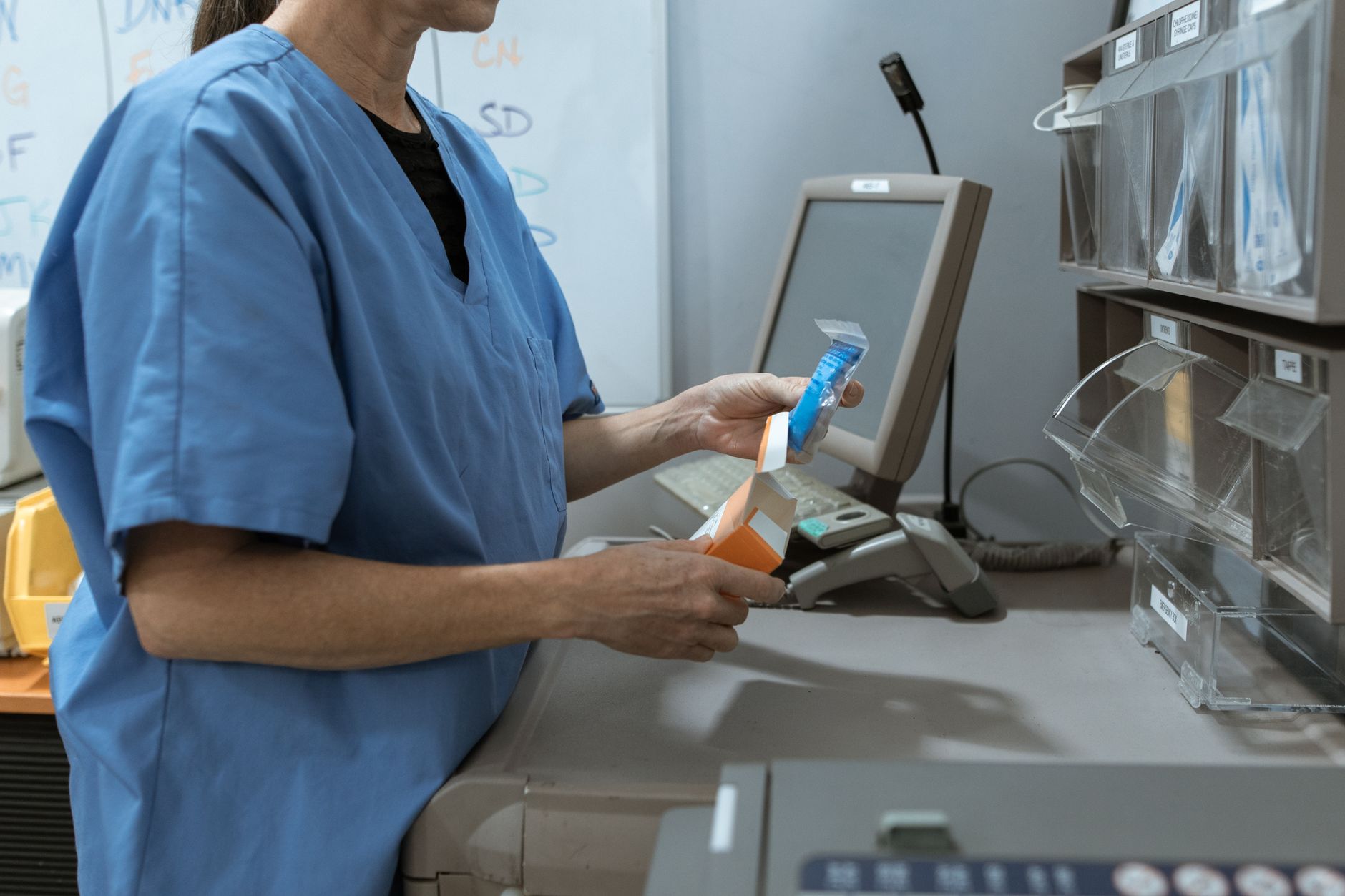
What the hospital reported
The hospital reported that its mobile delivery robot made more than 1,400 medication deliveries in about two and a half months.
Over the same period the hospital reported roughly 900 staff hours saved. For clinical leaders, that is the figure that counts, because it is time handed back to patient care instead of spent in corridors.
These are the hospital's reported figures. Treat them as a useful reference point and measure your medication runs before and after go live.
What this means for a hospital weighing a delivery robot
Service Robot Co. is an OEM-neutral commercial robot integrator for US businesses. We select the right robot across manufacturers, then finance, deploy, integrate, train and service every unit through a nationwide US engineer network, so one partner handles the whole lifecycle.
Our offer is a lease. Service Robot Co. leases robots through financing on a 3-year lease, with one fixed payment quoted after a site assessment, so a site can start with one leased unit and expand once the route proves its value.
The lesson of a case like this is not the robot alone. It is the route, the staff who depend on it, and the service plan for the day a unit needs attention, which is easier to manage when one vendor handles the lease, the integration and the repairs.
Frequently asked questions
Want a robot working for you?
Tell us the job and the site. We will recommend the robot, quote the lease, and keep it serviced.