
a large commercial construction project in Pennsylvania
Drywall Sanding Case Study: Up to 5x Productivity in Pennsylvania
A Pennsylvania construction project used an AI-guided sanding robot to lift Level 4 and Level 5 productivity by up to 5x and ease crew fatigue.
- 5x
- Higher L4-L5 output
- 300%+
- Higher surface production
- 12 ft
- Work height without lifts
- 0 prep
- Special prep needed
Based on a documented real-world deployment. Figures are from public reporting; the organization is not named.
A Finishing Bottleneck
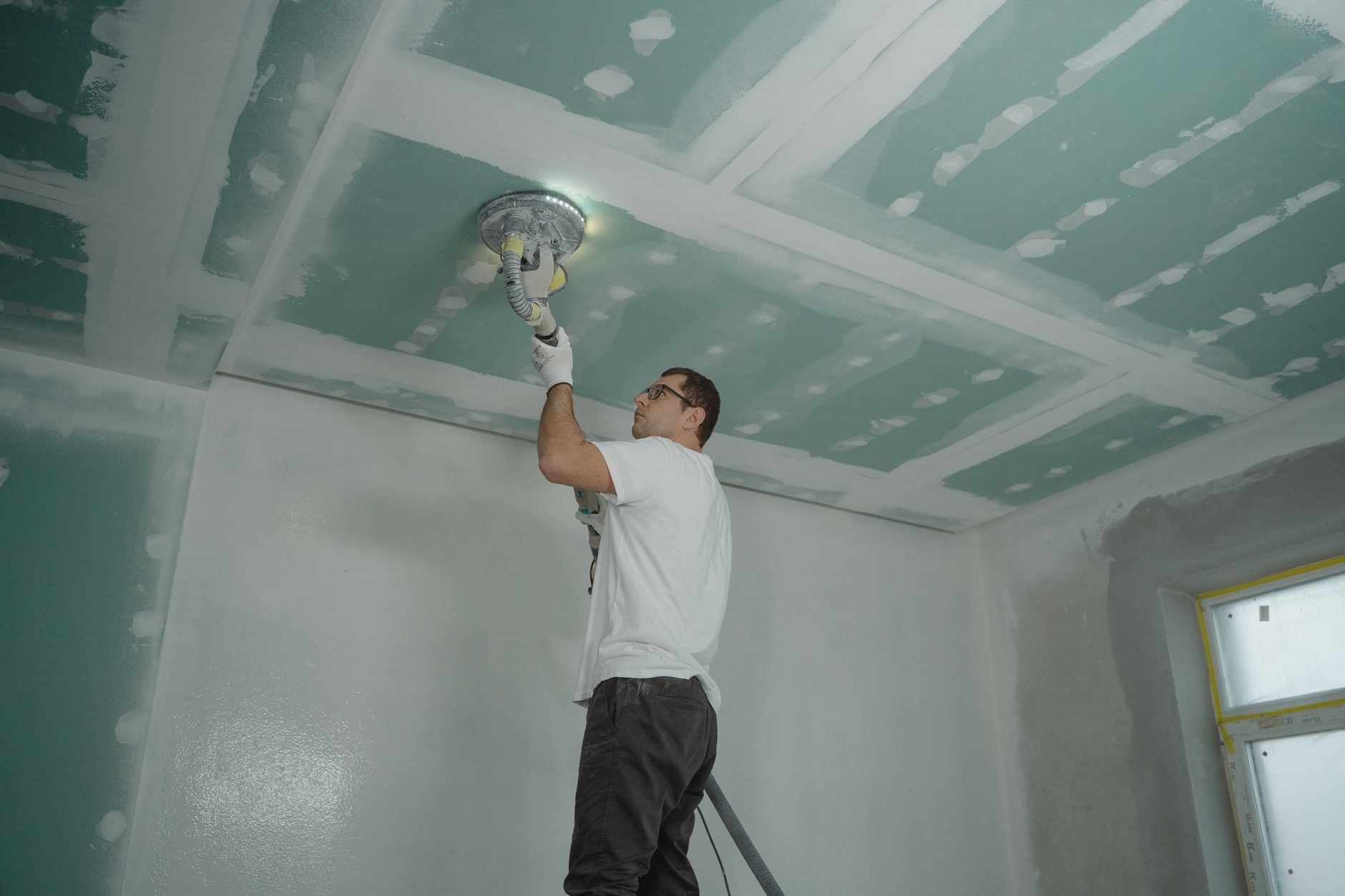
The finishing phase was running into a familiar drywall choke point. Overhead sanding is punishing work, especially when crews are chasing consistent Level 4 and Level 5 finishes across large interior areas.
The documented Pennsylvania project also had a practical access problem. Work up to 12 feet typically meant lifts or scaffolds, which added friction to the task while crews absorbed the strain of repetitive overhead passes.
- Repeated overhead sanding was driving physical burnout and fatigue.
- Work up to 12 feet often depended on lifts or scaffolds.
- Finish quality still had to hold on Level 4 and Level 5 sanding work.
How The Robot Entered The Job
The published account describes an AI-guided mobile robot introduced directly into live finishing work, with support from a skilled operator. Instead of relying on external references, the machine scanned the space in 3D and built a real-time model as it worked.
That low-friction setup mattered on an active jobsite. The source says the robot needed zero preparations, measurement tools, special marking, or BIM tools, and it could work in large rooms as well as smaller, more confined spaces.
- Use the robot on live Level 4 and Level 5 sanding tasks.
- Guide the machine with AI-driven 3D scanning and real-time modeling.
- Run without external references, measurement tools, special marking, or BIM tools.
- Move between large rooms and tighter spaces as the finish scope shifts.
What Changed On Site
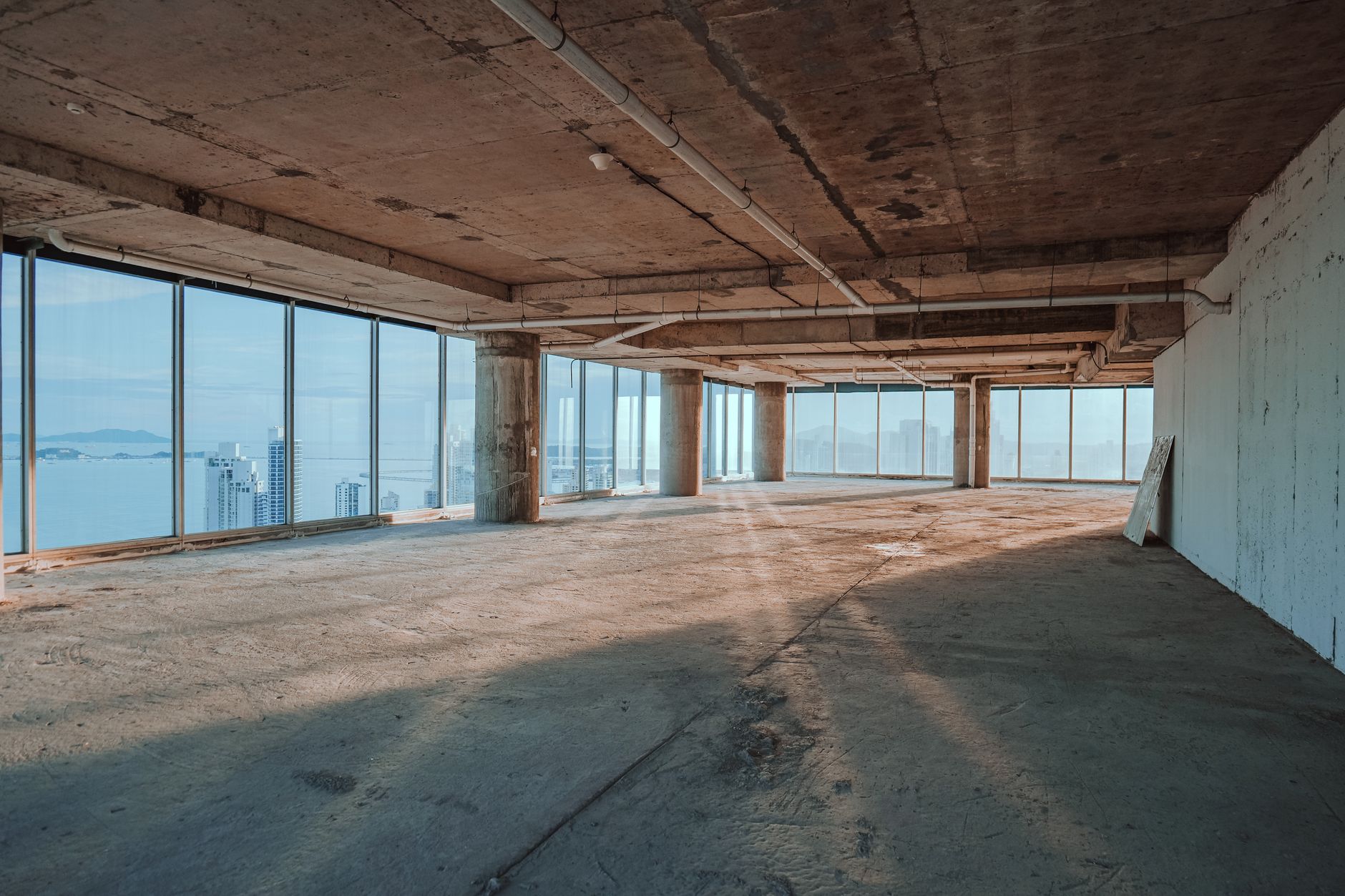
The clearest gain was output. The source reports more than 300 percent higher surface sanding production and up to a 5x increase in productivity on Level 4 and Level 5 sanding jobs, while quality standards were consistently met.
The labor effect was just as important. By removing repetitive overhead work up to 12 feet, the robot cut dependence on lifts and scaffolds and workers reported a significant reduction in physical burnout and fatigue.
Why This Matters For Contractors
This documented Pennsylvania example is not presented as a Service Robot Co. deployment. It is still useful because it shows what a drywall sanding robot can do when the site fit, crew fit, and task fit are right.
Service Robot Co. is a full-service, OEM-neutral commercial robot integrator for U.S. businesses. That matters in categories like drywall sanding robots, where buyers often need a vendor neutral robot integrator to evaluate fit, arrange commercial robot leasing for business, handle robot deployment and integration, and give the field team one partner one number from pilot through service.