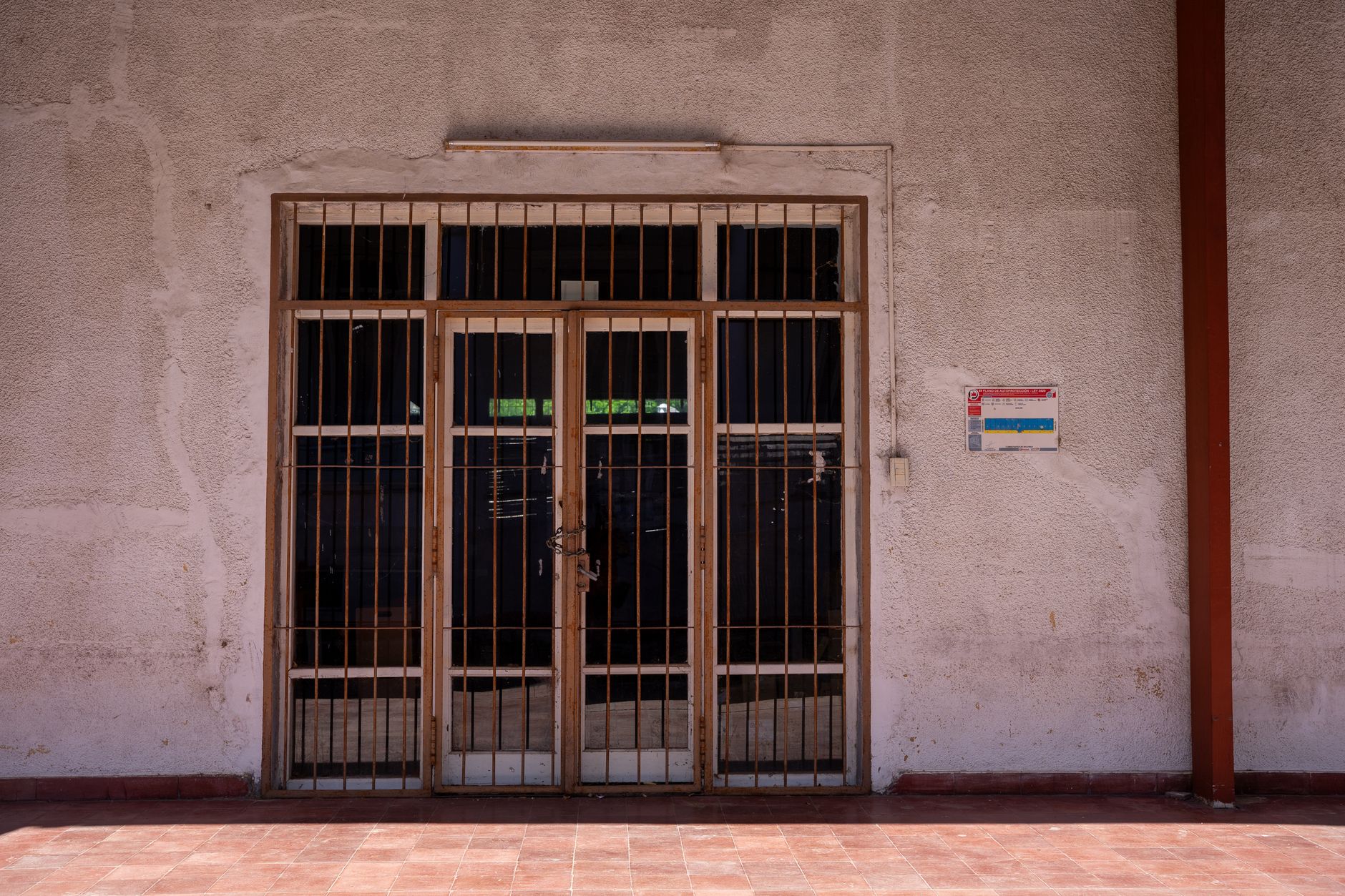
a regional acute-care hospital in Pennsylvania with a new patient tower roughly a quarter mile from its central production kitchen
How a Pennsylvania Hospital Automated 23 Miles of Daily Meal Tray Runs With Delivery Robots
A regional Pennsylvania hospital mapped autonomous meal delivery robots between a distant patient tower and its central kitchen, logging 22.8 miles of tray runs per day.
- 22.8 mi
- daily robot miles
- 27 min
- avg round trip
- 11 min
- one-way haul
- 15 min
- pickup window
Based on a documented real-world deployment. Figures are from public reporting; the organization is not named.
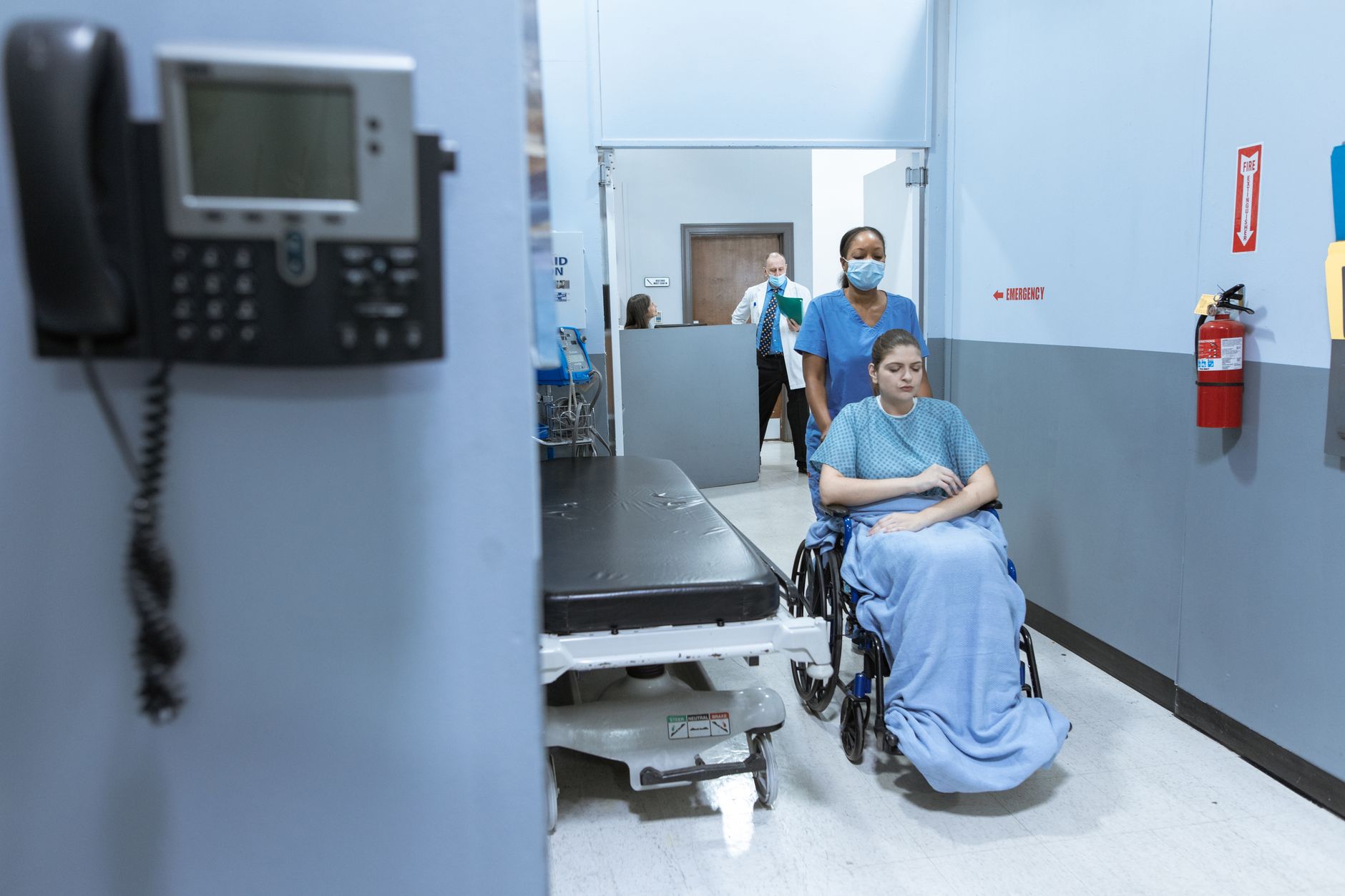
A new tower stretched meal delivery across campus
A regional acute-care hospital in Pennsylvania opened a patient tower set roughly a quarter mile from its central production kitchen. That distance is close on a map and brutal on a tray cart during breakfast, lunch, and dinner rushes.
Foodservice leaders originally expected staff would walk at least 25 miles a day just moving meals between the kitchen and the new tower. Each round trip pulled workers off plating, temperature checks, and patient-specific diet work.
Manual runs also risked cold trays and missed handoffs when elevators, corridors, and nursing units filled with visitors and care teams.
- Kitchen and tower separated by about a three-block indoor route
- High-volume meal service with made-to-order tray tickets
- Need to protect food safety on long indoor hauls
Mapped autonomous routes between kitchen and tower
The hospital worked with an integration partner to deploy autonomous meal delivery robots that follow mapped indoor routes without floor tracks. Units can call automated doors and elevators once paths are taught.
After several months of test runs, robots went live as patient floors in the tower opened in phases. Orders still flow from the call center to the production kitchen, where staff prepare trays to ticket.
A robot is dispatched to the kitchen dock, loads the order, and travels to a designated drop point on the patient floor. Staff receive trays there instead of meeting a runner in the corridor.
- Pilot mapping and safety checks before patient floors went live
- Charging docks keep robots ready between meal waves
- Trays not collected within 15 minutes return to the kitchen for safety
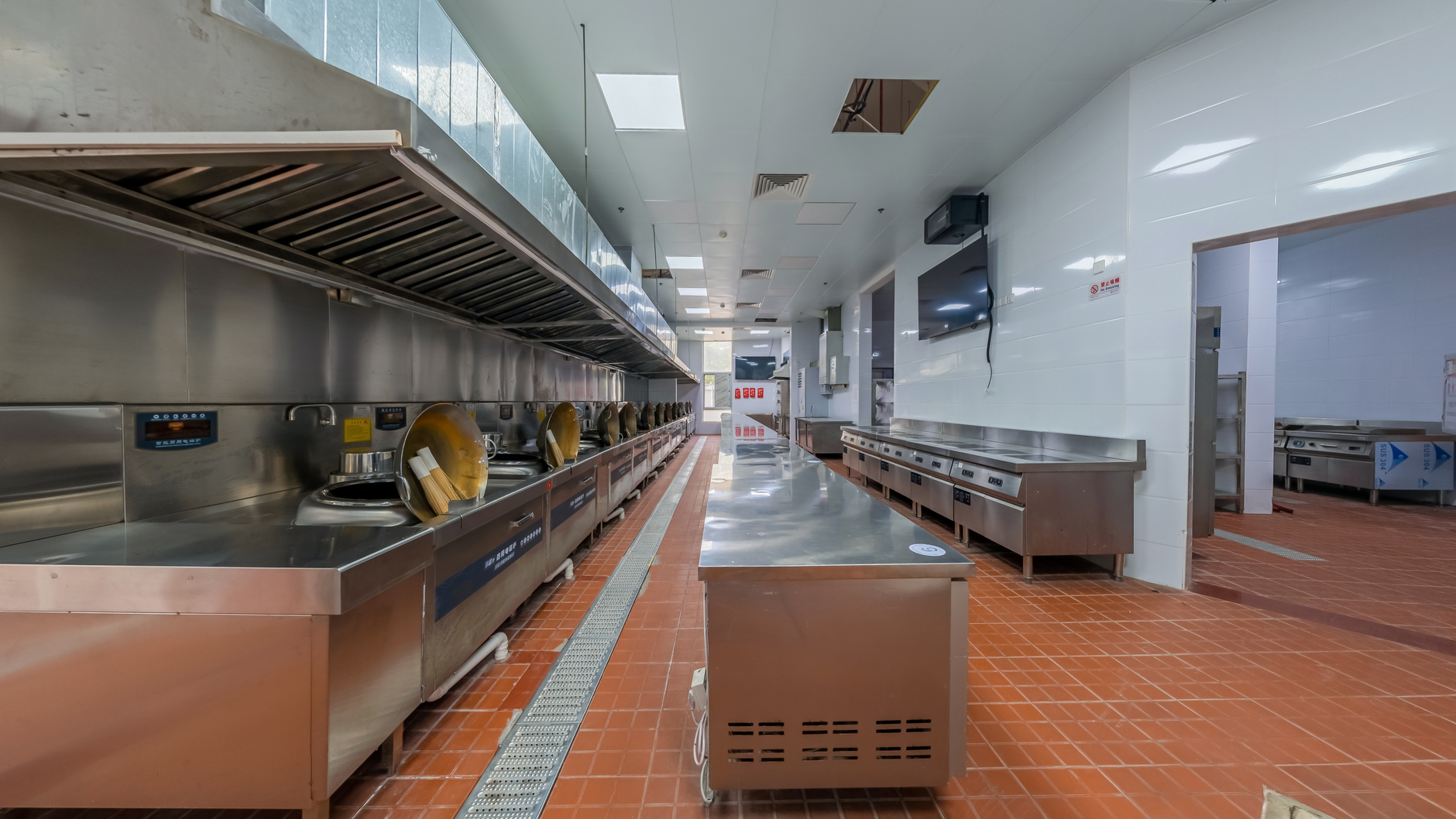
Miles of walking shifted to logged robot miles
One-way trips between kitchen and tower average about 11 minutes. Counting load, delivery, and return, the full cycle averages about 27 minutes per run.
While only three of five planned patient floors were occupied, the robots already covered about 22.8 miles of meal delivery per day. That beat the manager's earlier estimate of 25 daily miles of staff walking once the tower filled in.
Dining teams could keep cooks and expediters at the production line while robots handled the long indoor hauls.
What hospital foodservice leaders can take from this playbook
This documented deployment is not a Service Robot Co. customer story. It shows how hospital delivery robot rental paths work when a campus layout outgrows foot traffic.
Service Robot Co. helps U.S. hospitals and health systems choose vendor-neutral meal transport robots, set up hospital delivery robot rental or month to month lease options, map kitchen-to-unit routes, train dietary staff, and keep fleets running through a nationwide network of regional service engineers.
A free site assessment can mirror the same sequence on your footprint: measure corridor and elevator choke points, pilot one tower loop, compare logged miles and handoff times, then scale only where reporting proves trays arrive on time.