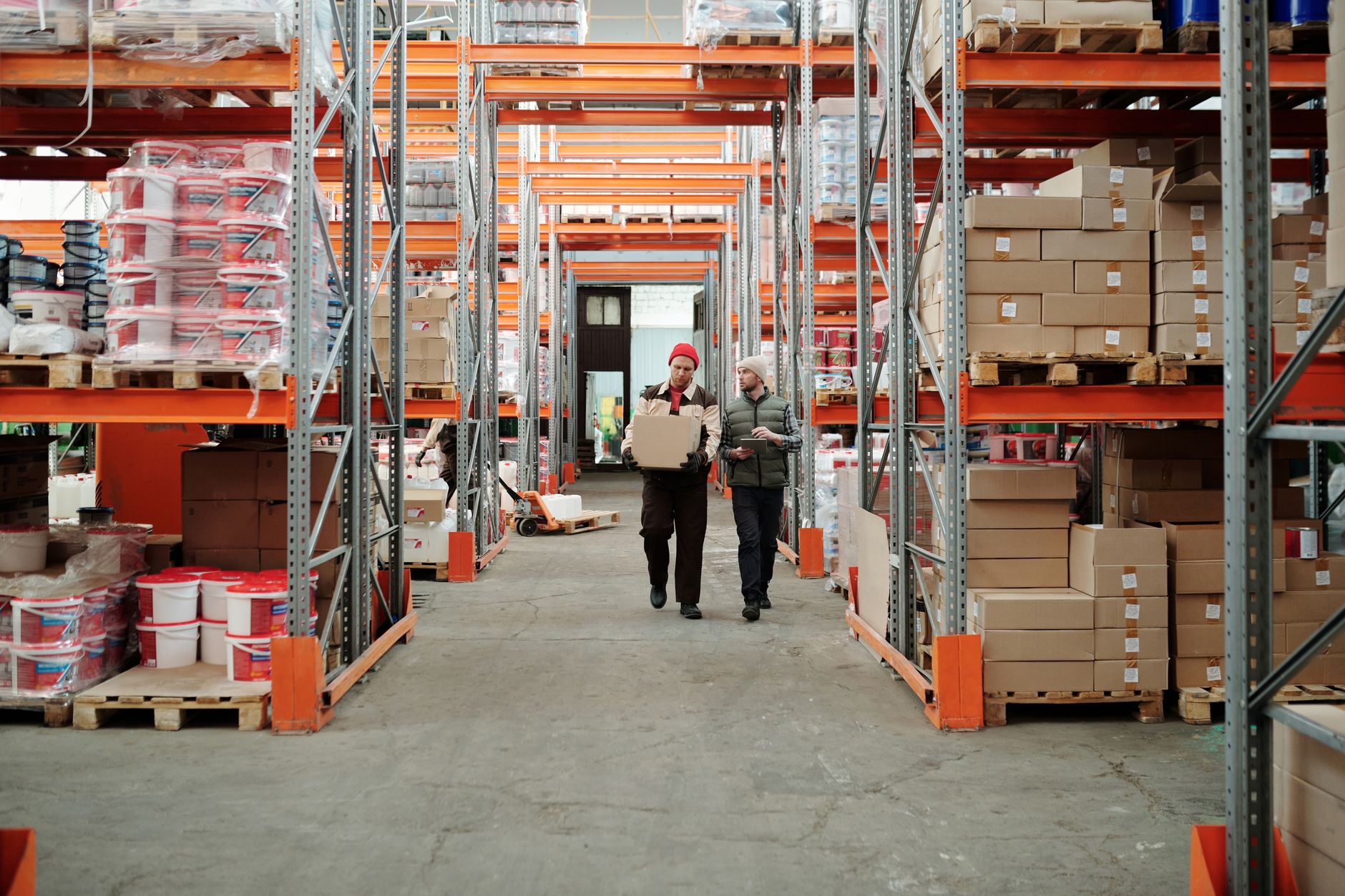
a sign-supply distribution hub in Pennsylvania with a 141,000-square-foot footprint
How a Pennsylvania Sign-Supply Warehouse Saved 85 Labor Hours Monthly With an Autonomous Scrubber
A 141,000-square-foot Pennsylvania sign-supply hub used an autonomous scrubber to clean 1.3 million square feet in 30 days and save 85+ labor hours monthly.
- 85+ hr
- Monthly save
- 1.3M sf
- 30-day clean
- 141k sf
- Building
- 12
- Clean plans
Based on a documented real-world deployment. Figures are from public reporting; the organization is not named.
Fast distro and dirty floors
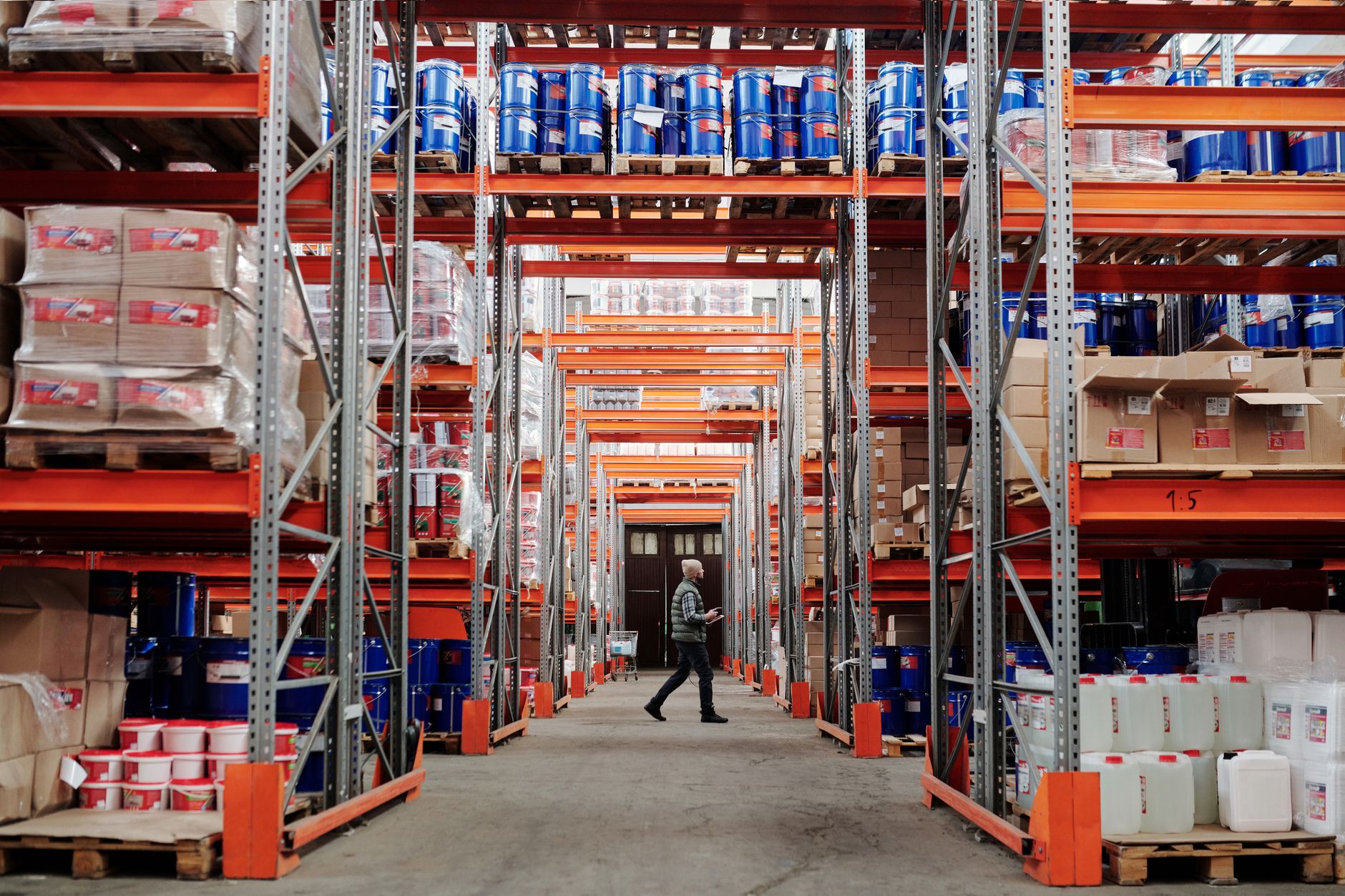
A sign-supply distribution hub in Pennsylvania with a 141,000-square-foot footprint runs daily distribution to clients across a wide radius. Product moves quickly through aisles where dust and debris build up around forklifts, ladders, and pick paths.
Staff treated floor care as essential work, but hours of manual mopping and sweeping pulled people away from receiving and picking. Leadership wanted cleaner aisles without making floor work the job nobody wanted.
- High-speed inbound and outbound traffic
- Dust accumulation on wide concrete aisles
- Manual cleaning that competed with throughput
Mapped plans across the whole building
The team deployed an autonomous floor scrubber after training staff on routes, fills, and exception handling. Deployment specialists mapped the building and configured about 12 cleaning plans for different zones and operating conditions.
One plan ran every day while others rotated based on need. The scrubber operated around staff and forklifts during business hours, then completed a whole-building clean after close, including aisles and both docks.
- Map zones and traffic rules before the first autonomous shift
- Configure daily and alternating cleaning plans
- Run overnight coverage for aisles and dock aprons
Measured square footage and hours returned

The published customer story reports that over a 30-day period the robot cleaned 1.3 million square feet autonomously at the hub. The same source credits more than 85 labor hours saved per month from that autonomous work.
Operators noted cleaner floors and less time spent on hands-and-knees touch-ups, which freed associates to focus on moving product instead of chasing dirt.
What distributors can take from the numbers
This deployment was run by the distributor and documented in a public case write-up, not by Service Robot Co. The proof point is pairing zone-based plans with overnight coverage on a 141,000-square-foot footprint.
Service Robot Co. helps U.S. warehouses compare autonomous floor scrubber buy or lease options across manufacturers, then finance, deploy, integrate, train, and service units through RoboCare and a nationwide network of regional service engineers. A free site assessment can show whether your aisles and dock aprons are ready for a 30-day measured pilot.