
a 24/7 home and personal care products factory in Turkey feeding warehouse-to-line material flows
How a Personal-Care Factory Cut Material-Handling Costs 25% With 17 AMRs
A documented 24/7 personal-care plant replaced forklift-heavy warehouse moves with 17 AMRs, cutting handling costs 25% and lifting efficiency 40%.
- 25%
- handling cost cut
- 40%
- efficiency gain
- 17 AMRs
- fleet size
- 99.9%
- system uptime
Based on a documented real-world deployment. Figures are from public reporting; the organization is not named.
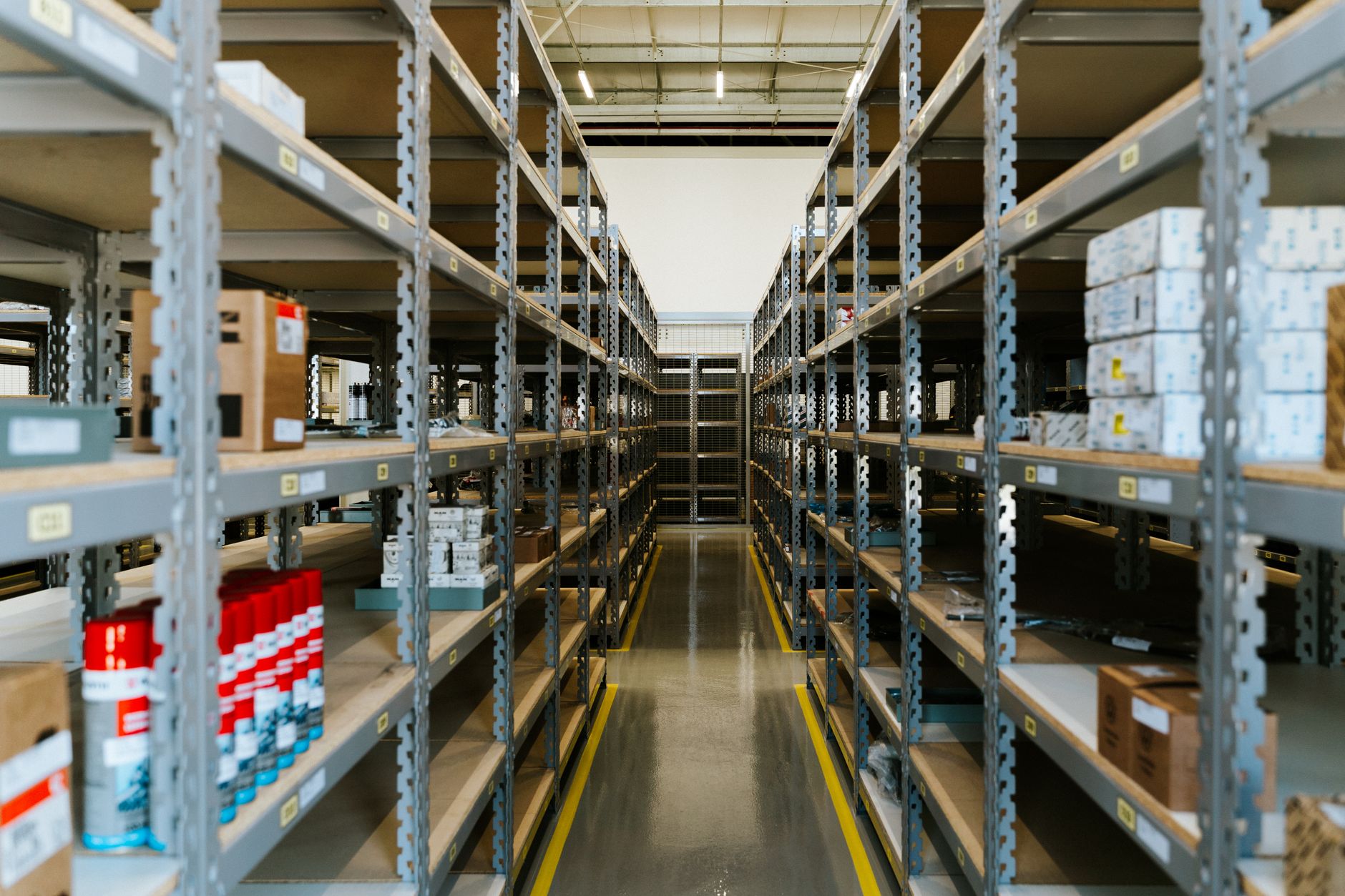
Forklift traffic between warehouse and lines
Internal moves between the warehouse and production floor relied on forklifts and manual shuttles that were costly to staff and risky at busy crossings. Leaders wanted material to flow on a predictable cadence without adding headcount every time volume climbed.
The operation also needed tighter ties between warehouse systems and production planning so supervisors could see moves in real time instead of chasing pallets by radio.
- Forklift congestion at warehouse-to-line handoffs
- Unproductive walking and waiting for the next pallet
- Limited visibility between MRP schedules and floor moves
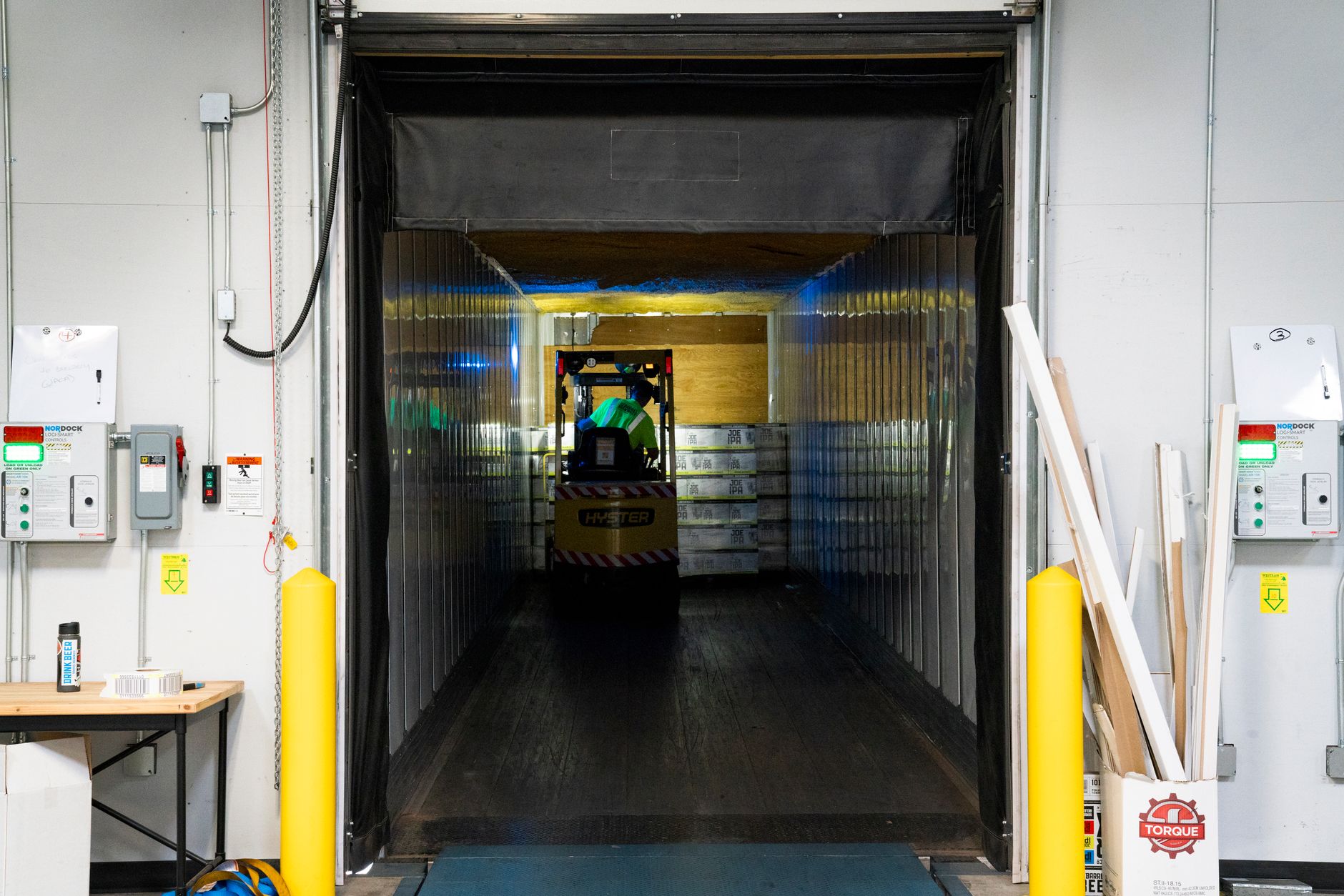
Engineered AMR fleet with ERP and WMS hooks
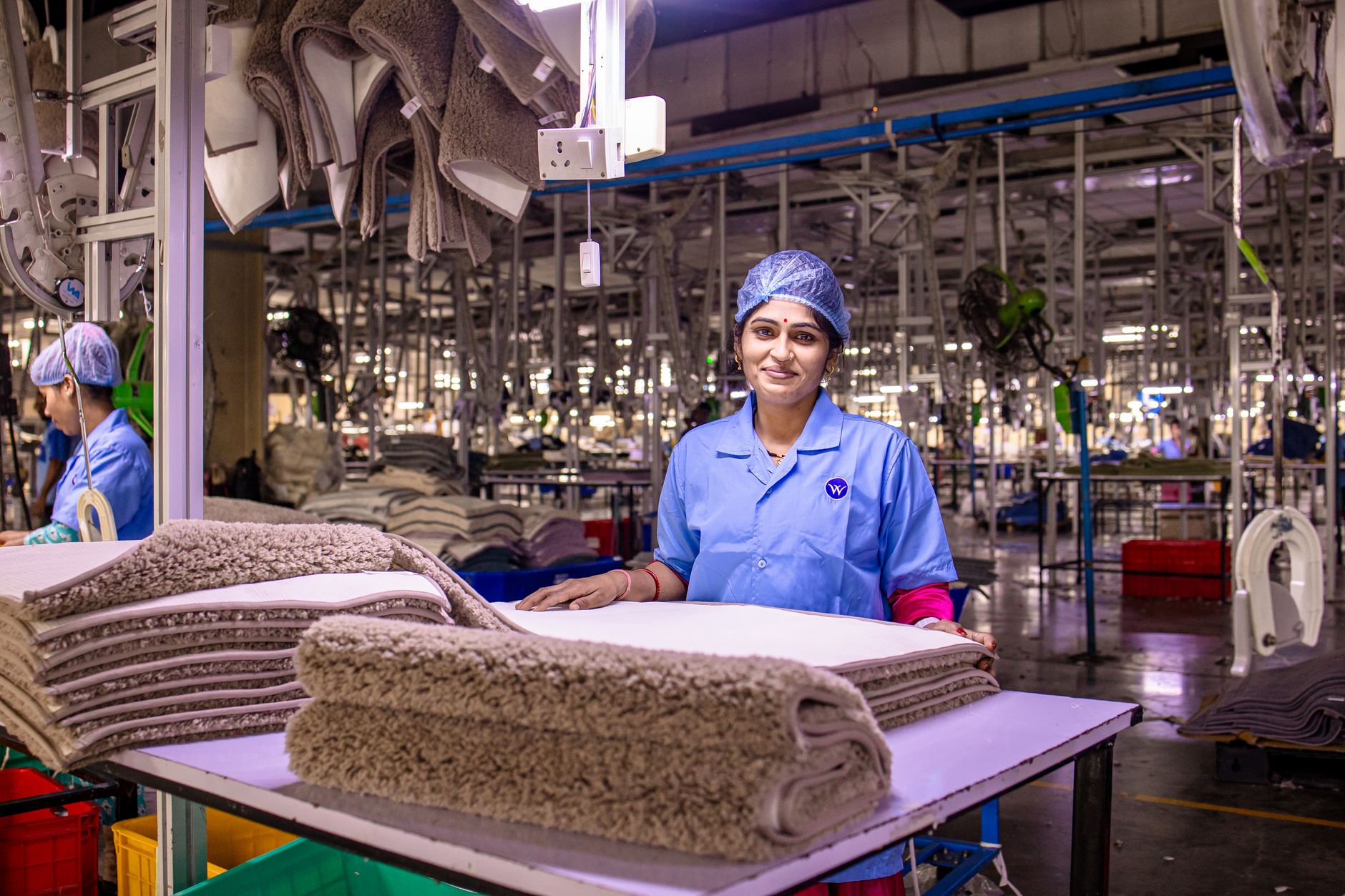
Engineers mapped stations, attachments, and safety zones, then deployed a fleet of 17 autonomous mobile robots to carry materials between the warehouse and production areas around the clock.
The robots integrated with MRP and warehouse software so order steps and transport tasks stayed synchronized. Custom attachments matched load types while keeping humans out of repetitive driving lanes.
- Site study to pick robot types and station layout
- Phased go-live on the busiest warehouse-to-line lanes first
- Operator training on handoff rules and exception handling
- Ongoing maintenance to hold uptime targets on three shifts
Measured gains after a year of nonstop runs
After more than a year of continuous operation, the plant reported a 40% improvement in operational efficiency and a 25% reduction in material handling costs. Order processing time fell about 30% while system uptime reached 99.9%.
Safety incidents tied to the automated transport flow were reported at zero over the deployment period, and return on investment was achieved in about 18 months according to the published case materials.
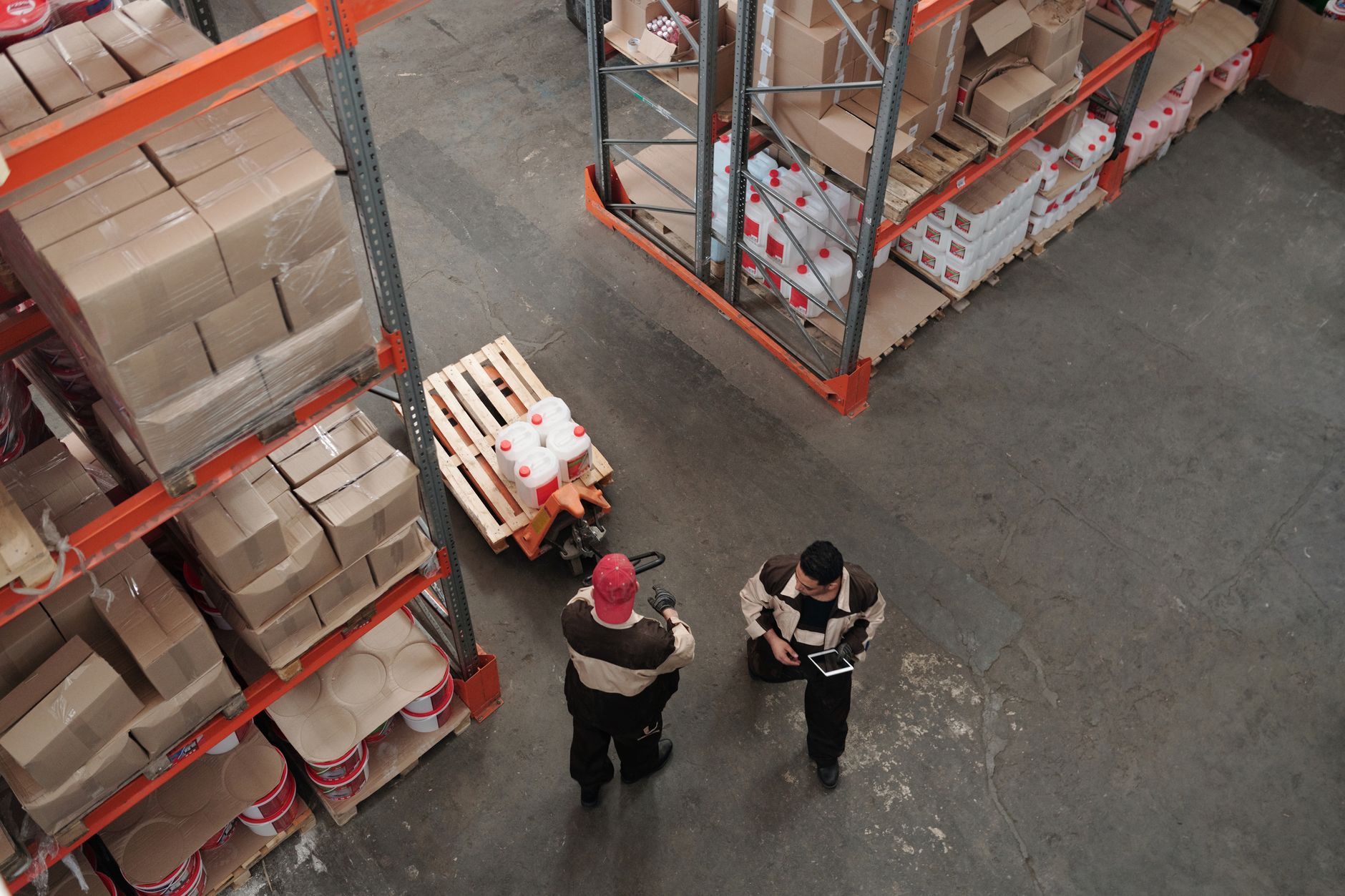
What US manufacturers can take from this pattern
This is a documented deployment at a personal-care factory in Turkey, not a Service Robot Co. customer story. It still shows what many US plants ask about when they explore warehouse robot rental or phased AMR programs instead of buying a full forklift fleet upfront.
Service Robot Co. is a vendor-neutral integrator for US businesses. We compare autonomous mobile robots across manufacturers, then handle financing, site mapping, training, and nationwide service so plant managers get one partner and one number. A free site assessment can show whether your warehouse-to-line moves fit pallet AMRs before you commit to robot leasing for business use.