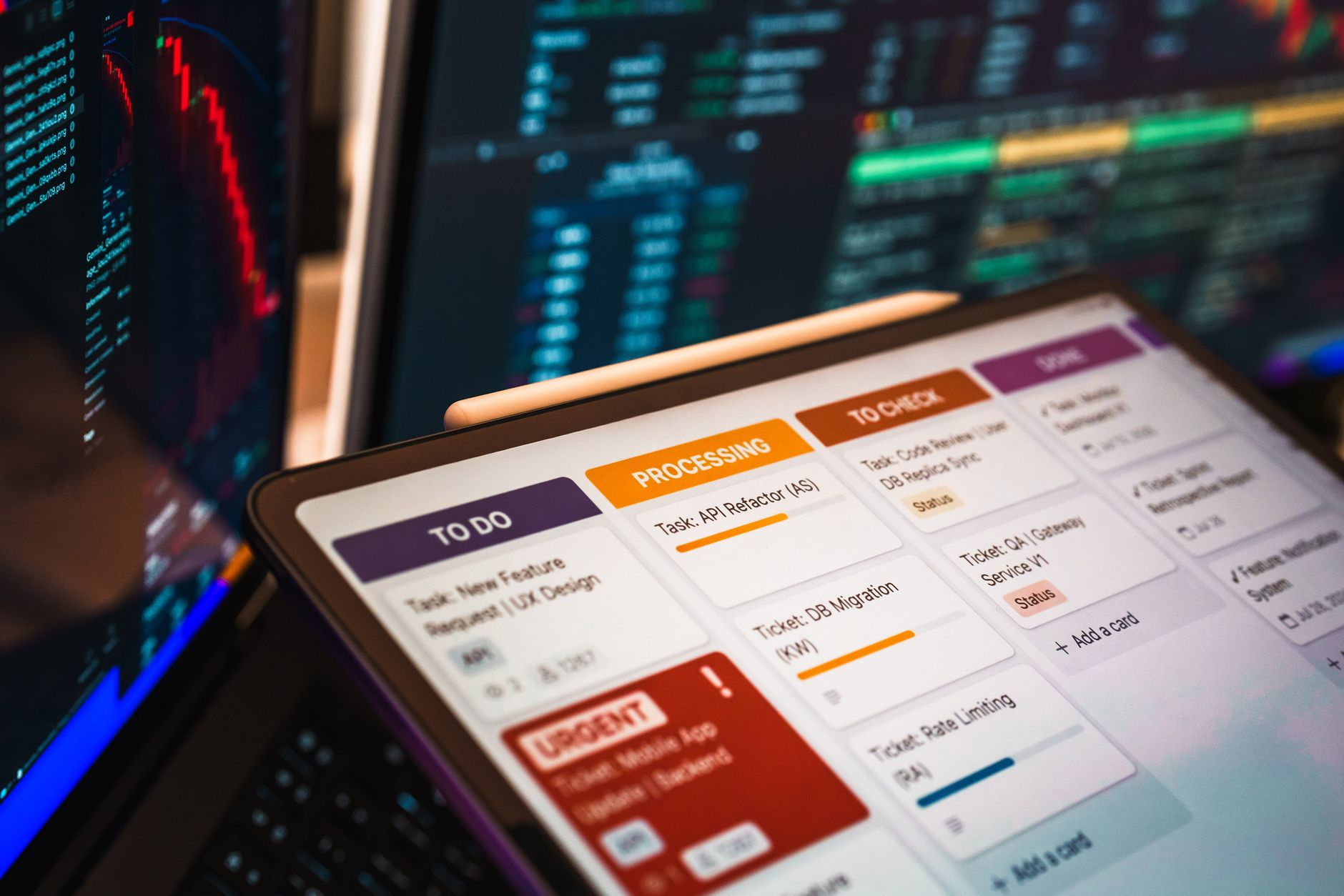
a Dallas-area distribution center moving heavy pet-food cartons for multiple retail clients across the southern United States
How a Pet-Food DC Raised Pick Rates From 65 to 98 UPH With Cart-Towing AMRs
A Dallas-area 3PL pet-food DC cut overtime 75% and raised picks from 65 to 98 UPH with twelve cart-towing AMRs across a 40,000 sq ft zone.
- 98 UPH
- Pick rate after AMR rollout
- 50%
- Productivity gain
- 75%
- Less overtime
- 12
- Cart-towing AMRs
Based on a documented real-world deployment. Figures are from public reporting; the organization is not named.
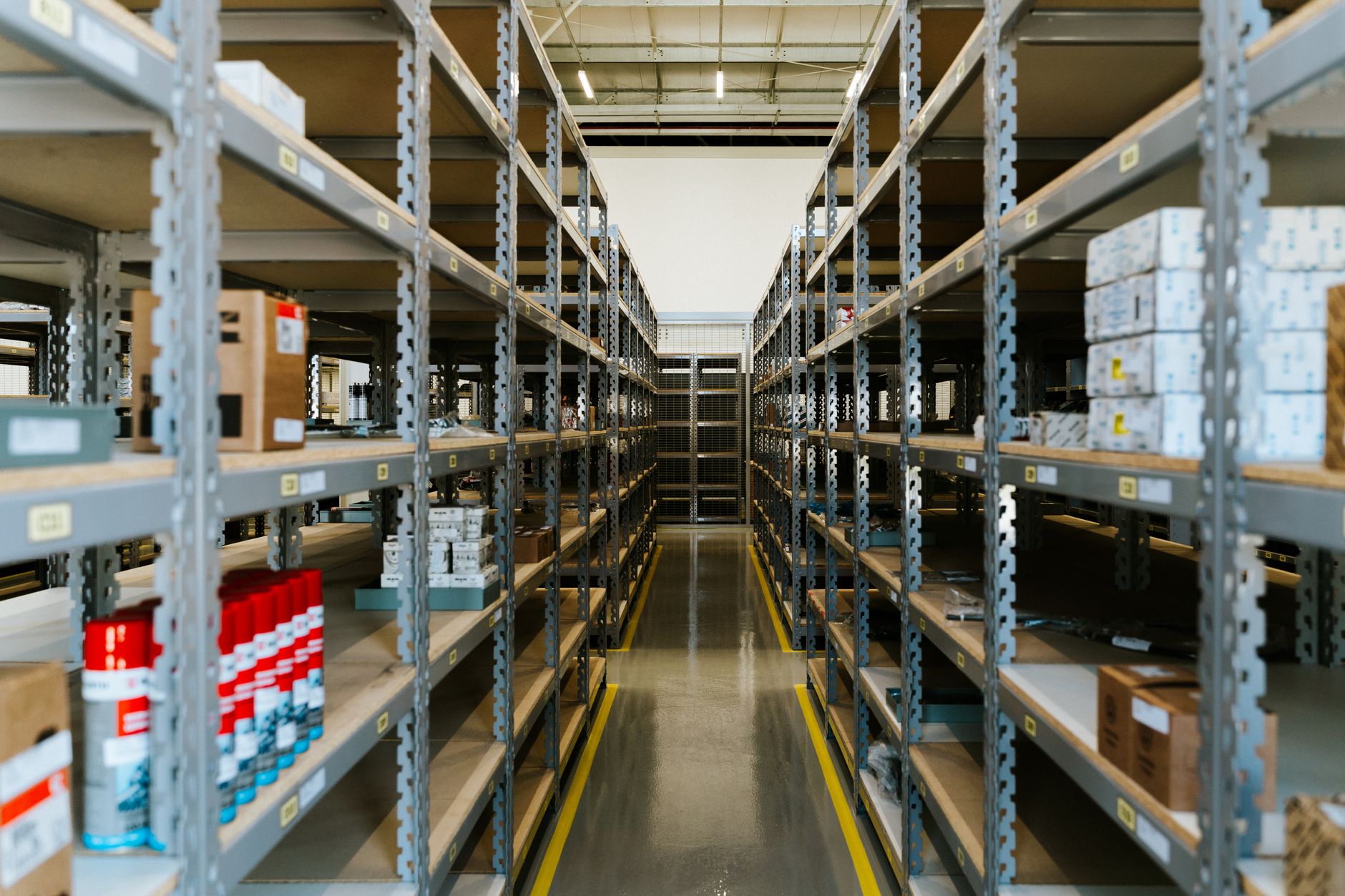
Heavy carts capped throughput in a multi-client pet-food DC
The operation receives inbound international freight and ships pet products to retail stores across the southern United States. Associates built pick carts loaded with cartons that could weigh up to 200 pounds, then walked those loads through a 40,000-square-foot pick area serving several retail programs at once.
Travel and cart handling consumed the hours that should have gone to accurate picking and packing. Order fulfillment KPIs slipped, overtime climbed, and aisle congestion from electric pallet jacks added safety and maintenance headaches. Leadership needed pickers focused on the line, not on pushing weight through the building.
- Cartons up to 200 pounds moved by hand on built carts
- 40,000-square-foot pick zone with multi-client volume
- Congestion and upkeep from manual powered trucks in aisles
- Accuracy checks required auditing nearly every pick before automation
Cart-towing AMRs took over travel while pickers stayed at the line
The site phased in twelve autonomous mobile robots built to attach and tow pick carts through the zone. Robots carried the heavy travel legs so associates could build orders at stationary pick positions, then release completed carts to the fleet for staging.
Training stayed short because teammates learned a clear handoff rhythm instead of fighting carts through traffic. Real-time dashboards gave supervisors labor planning views and gave pickers visible throughput scores during breaks, which helped retention on a competitive floor.
Safety, order accuracy, and measurable units per hour stayed the non-negotiable success criteria through rollout.
- Deploy twelve cart-capable AMRs across the 40,000-square-foot pick area
- Shift associates from cart pushing to pick, pack, and release at the line
- Use fleet metrics for labor planning and shift-level throughput tracking
- Reduce full pick audits once multi-check validation supported spot audits
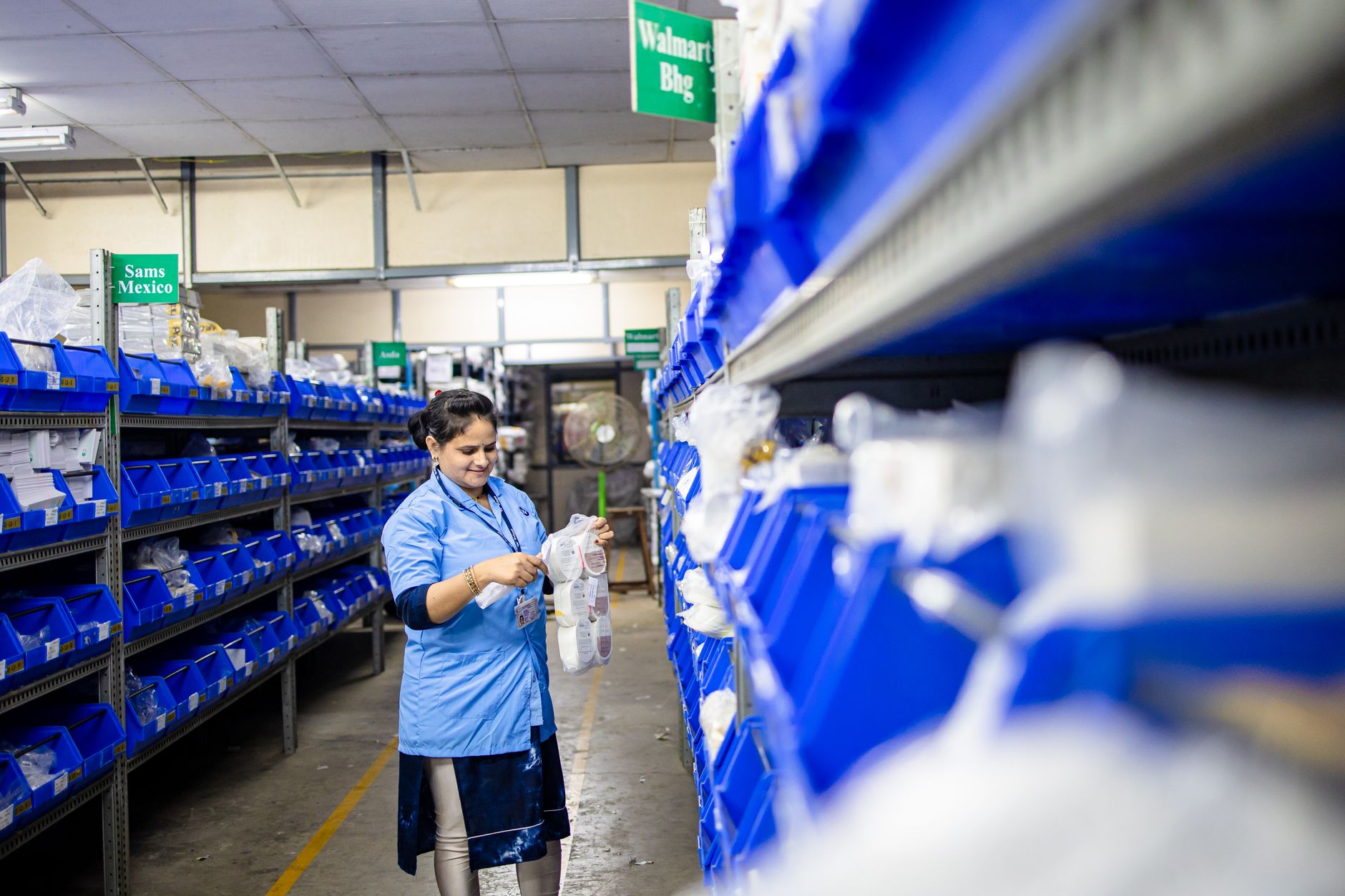
Published metrics show 65 to 98 UPH and far less overtime
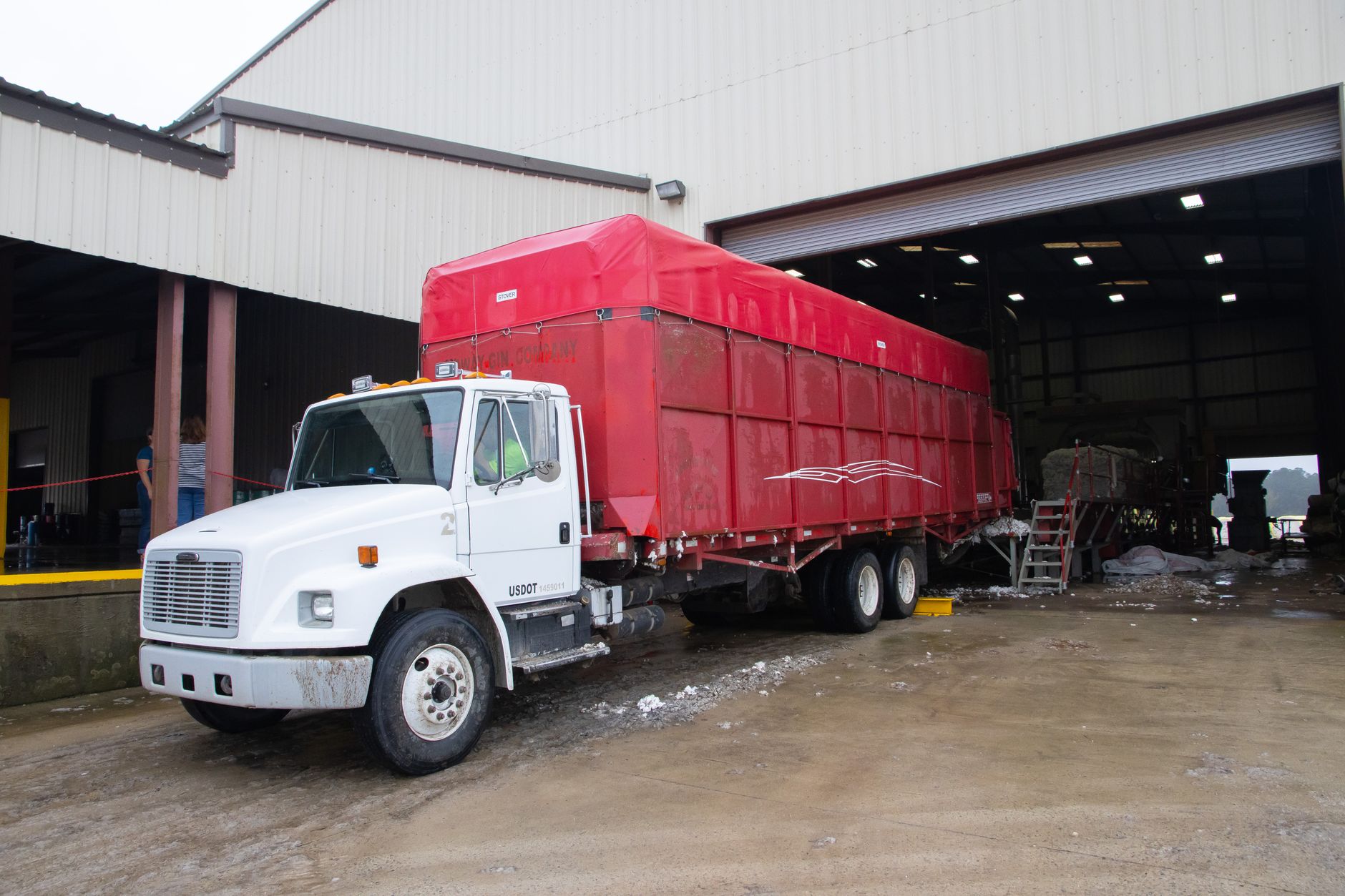
Documented results include a 50 percent productivity increase, pick rates rising from 65 units per hour to 98 units per hour, and a 75 percent drop in overtime. Supervisors credited the robots with removing the most physically demanding walks while keeping accuracy visible on the floor.
Before automation the site audited every picked item. After rollout it audited about ten percent of picks because the workflow verified correct items multiple times during the pick path. Teammates reported less aisle conflict versus electric pallet jacks and lower maintenance burden on manual trucks.
Ergonomics improved because associates stopped pushing 200-pound cart loads through the warehouse. Engagement rose when pickers could compare daily scores on shared displays, turning throughput into a visible team metric rather than a hidden spreadsheet.
What similar warehouses should expect from integrator-led AMR rental
This story is a documented real-world example, not a Service Robot Co. client claim. It still illustrates the pattern US third-party logistics sites repeat: cart-towing AMRs pay off when travel is the bottleneck and SKUs are heavy but predictable.
Service Robot Co. is a full-service, OEM-neutral commercial robot integrator. We compare autonomous mobile robot rental and lease options across manufacturers, then finance, deploy, integrate, train, and service units through a nationwide engineer network. One partner owns site assessment, go-live support, and month to month robot rental structures when capital budgets are tight.
Operators evaluating warehouse robot rental or amr fleet deployment should plan for phased rollout, picker training, and accuracy rules that match their retail SLAs. Vendor-neutral selection matters because cart weight, aisle width, and WMS handoffs differ on every floor.