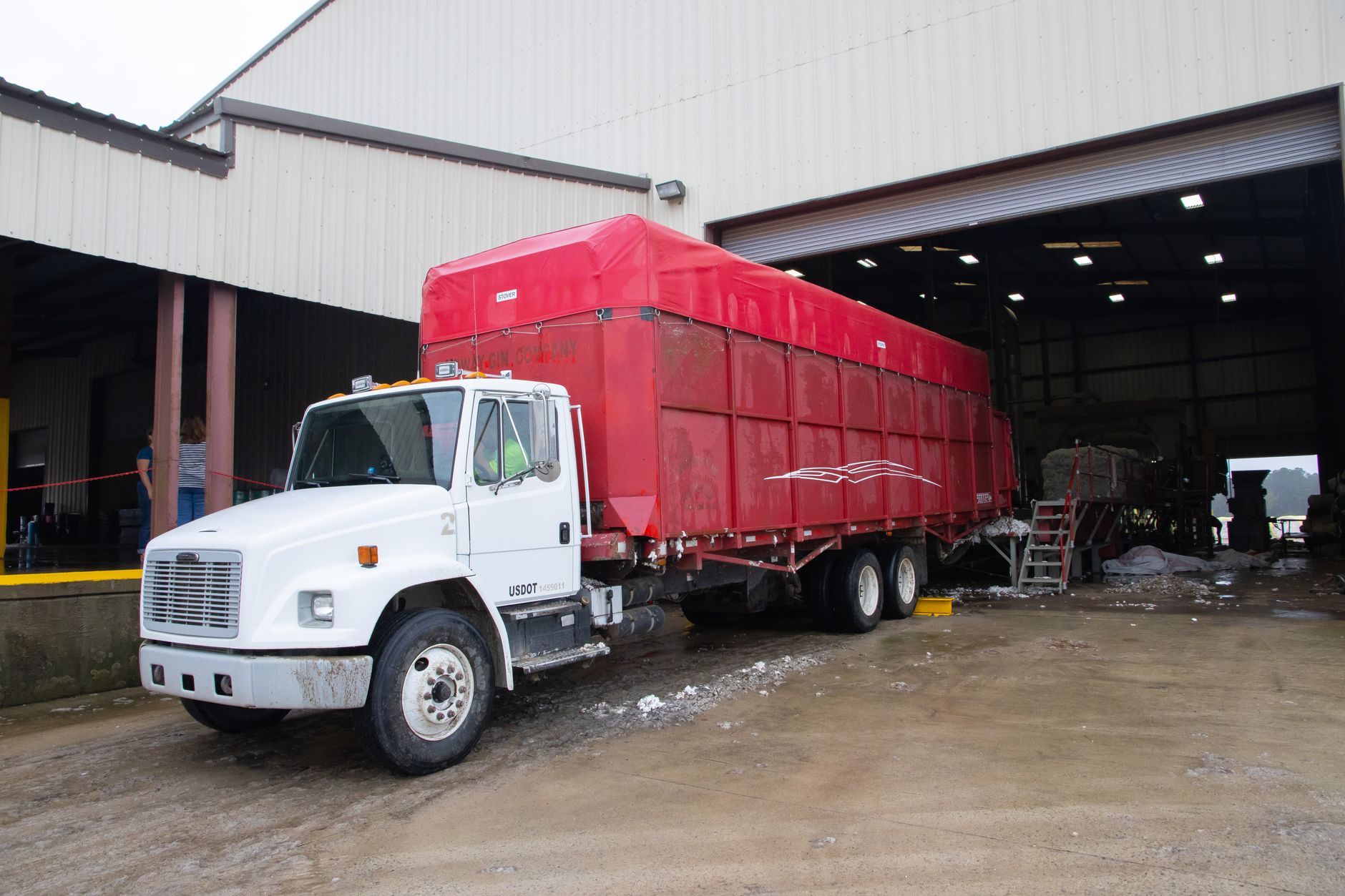
a national third-party logistics warehouse handling heavy pet food cartons in a 40,000-square-foot pick zone
How a Pet Supply DC Lifted Pick Rates From 65 to 98 UPH With AMRs
A documented 3PL pet food warehouse used cart-towing AMRs to raise pick rates about 50% and cut overtime 75% while shrinking accuracy audits.
- 50%
- Productivity
- 98 UPH
- Pick rate peak
- 75%
- Less overtime
- 10%
- Audit sample
Based on a documented real-world deployment. Figures are from public reporting; the organization is not named.
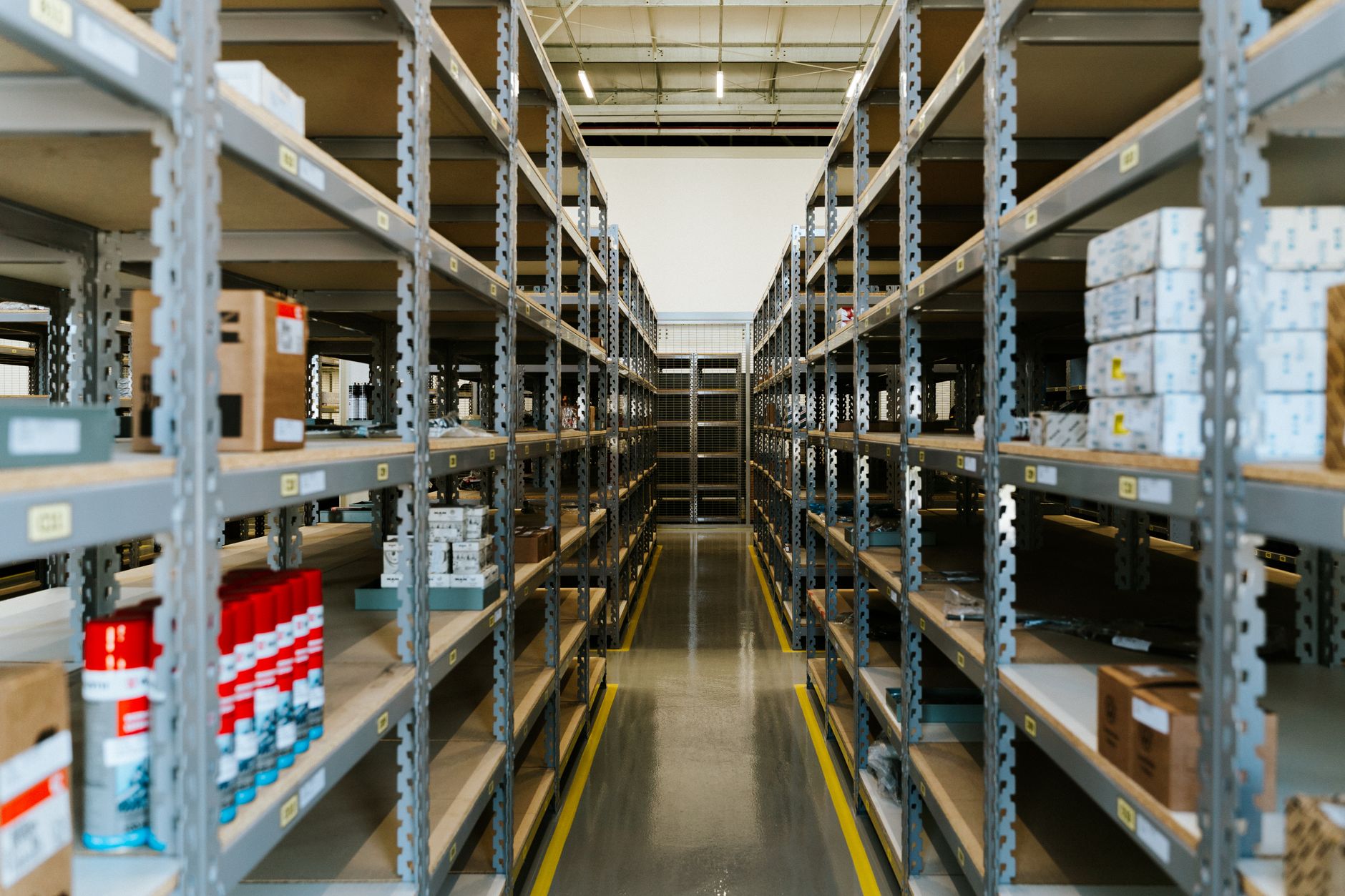
Heavy carts stealing pick time
A national third-party logistics warehouse handling heavy pet food cartons in a 40,000-square-foot pick zone needed a faster way to hit order fulfillment KPIs. Associates were building and pushing carts loaded with cases weighing up to 200 pounds, which burned time and physical effort before anyone could scan, pick, or pack.
Leadership wanted teammates focused on picking accuracy and throughput, not wrestling carts across the floor. Overtime was climbing because the manual cart workflow could not keep pace with demand spikes.
- Cartons up to 200 pounds moved by hand
- Pick rates stuck near 65 units per hour
- Overtime rising on peak days
- Full pick audits required on every order
Cart-towing AMRs across the pick floor
Operations integrated a dozen autonomous mobile robots built to attach to carts and tow heavy loads through the pick area. Pickers stayed at stations while bots handled the long walks between aisles and pack benches.
Supervisors used real-time reporting to watch units per hour and adjust staffing. Training stayed short enough that new hires could work safely beside the fleet quickly.
- Map the 40,000-square-foot pick zone for AMR routes
- Deploy 12 cart-towing robots for heavy pet food loads
- Keep associates on pick and pack tasks at fixed stations
- Use fleet dashboards to track units per hour live
- Train crews on handoff and safety around moving carts
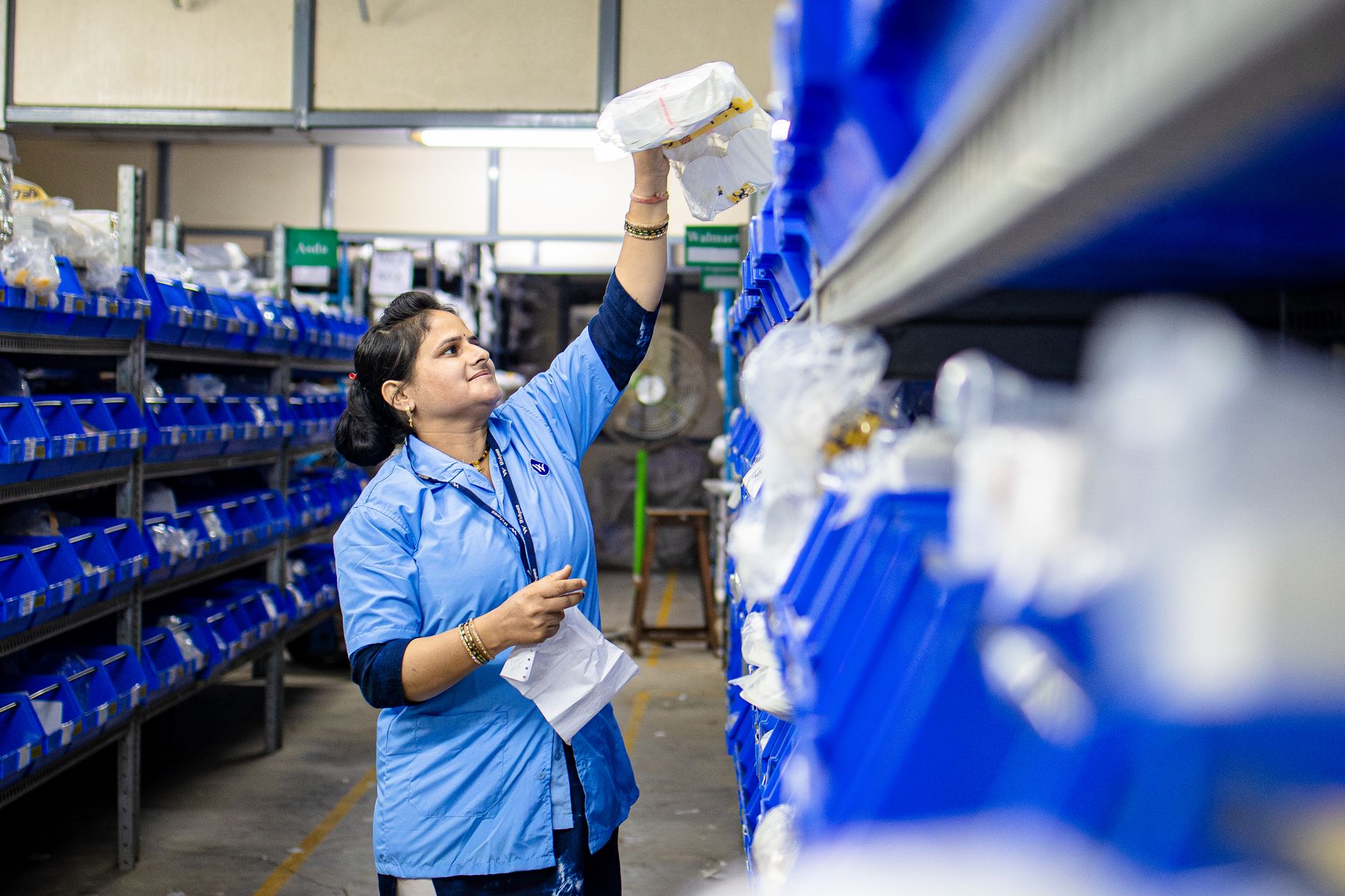
Measured throughput and labor relief
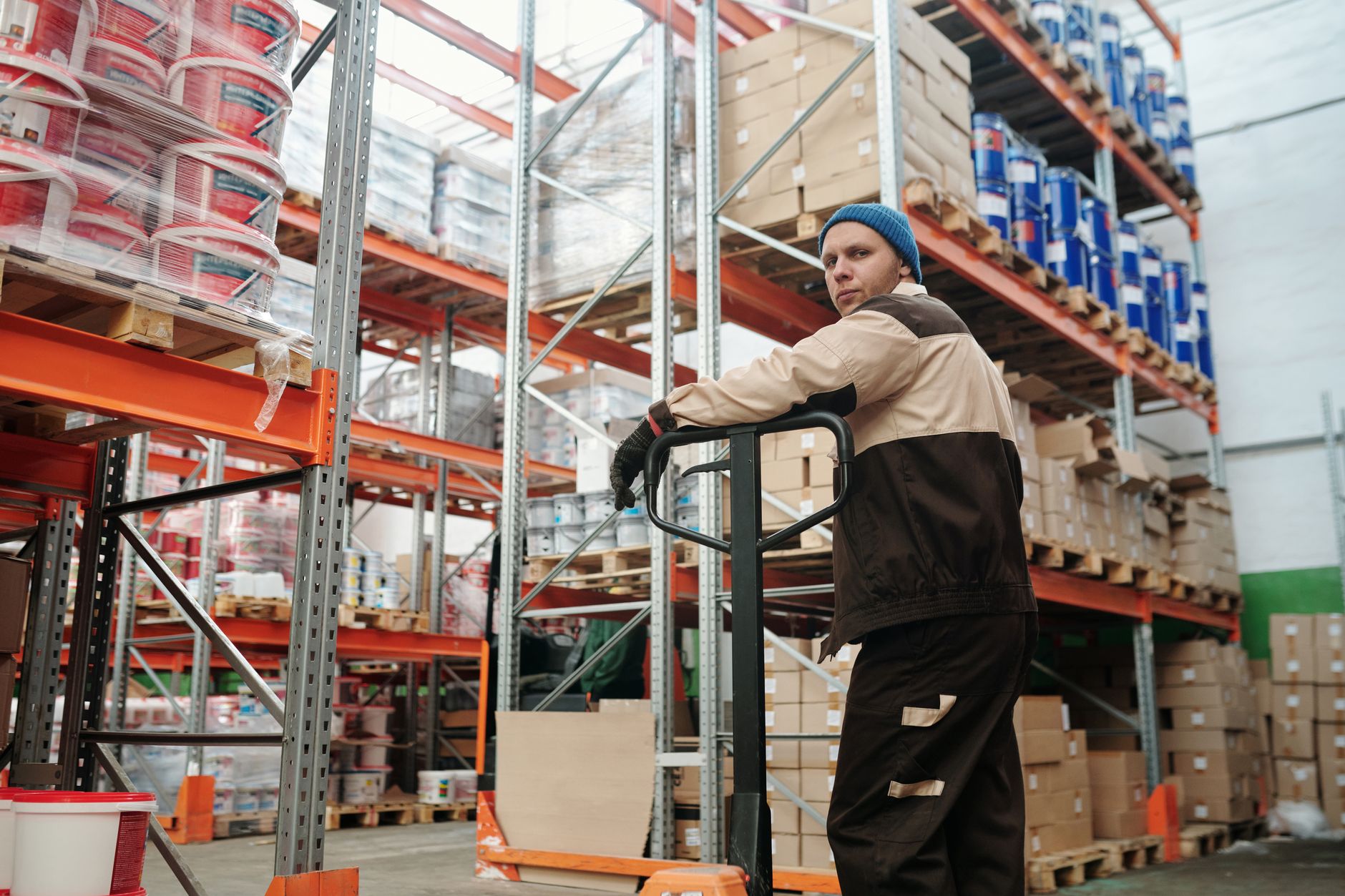
After go-live, leadership reported about a 50% productivity improvement. Pick rates moved from 65 units per hour to 98 units per hour on the measured workflow.
Overtime fell about 75% because the bots carried the long cart moves. Accuracy audits dropped from checking every pick to sampling about 10% of orders, since the system verifies the correct item multiple times during the pick path.
What distribution operators can expect from an integrator
This deployment was run by a major logistics provider, not Service Robot Co. It still shows how a vendor-neutral integrator can match cart-towing AMR rental or lease programs to real carton weights and aisle layout.
Service Robot Co. selects warehouse robots across manufacturers, finances fleets through monthly AMR rental or lease options, integrates with your WMS workflows, and backs uptime with a nationwide network of regional service engineers. A free site assessment is the right start when heavy manual carts cap your pick rates.