a Fortune-ranked pharmaceutical and medical-device distributor operating a regional distribution center in the Northeastern United States
How a Pharmaceutical Distributor Tripled Pick Productivity With Warehouse AMRs
A Northeast pharma and med-device DC swapped cart picking for integrated AMRs, reporting about 200% higher productivity, shorter cycles, and far fewer safety incidents.
- 200%
- Pick productivity
- 3x
- Pick rate gain
- Overnight
- Cart-to-AMR cutover
- Fewer
- Safety incidents
Based on a documented real-world deployment. Figures are from public reporting; the organization is not named.
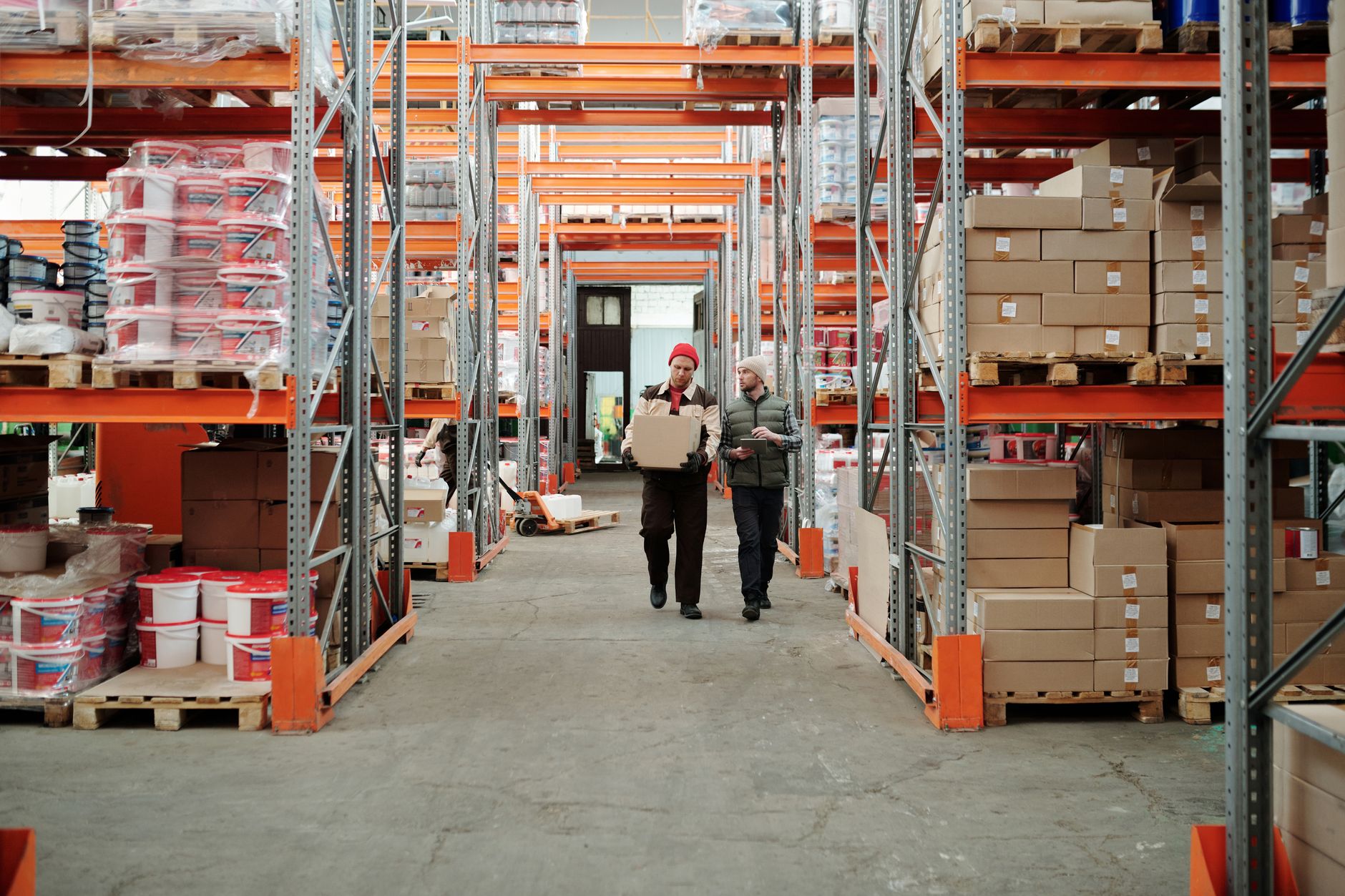
Mission-critical SKUs with no room for late orders
A Fortune-ranked pharmaceutical and medical-device distributor runs a regional center in the Northeast that ships both house brands and national lines. Patient care downstream means accuracy and on-time delivery are non-negotiable, not nice-to-have metrics.
Associates had been pushing pick carts through a manual workflow while labor availability swung week to week. Leadership wanted throughput that could absorb new healthcare clients without opening another building first.
- Timing and accuracy tied directly to patient care
- Unpredictable labor market for warehouse hiring
- Manual cart picking limited how much volume one shift could clear
Warehouse AMRs wired into the existing WMS
Operations evaluated autonomous mobile robots that could integrate with the warehouse management system and network rather than bolt on as a side process. Vendor-neutral integrators would mirror this pattern: map workflows, test navigation and pick paths, then train associates on a phased go-live.
The site moved from cart picking to AMRs in an overnight cutover that leadership said did not disrupt outbound service. Dashboards and reporting were part of the rollout so supervisors could see throughput and order progress in real time.
- Solution design for facility layout and pick zones
- WMS and network integration before production picks
- Navigation and pick-path testing with floor staff
- Overnight transition from manual carts to AMRs
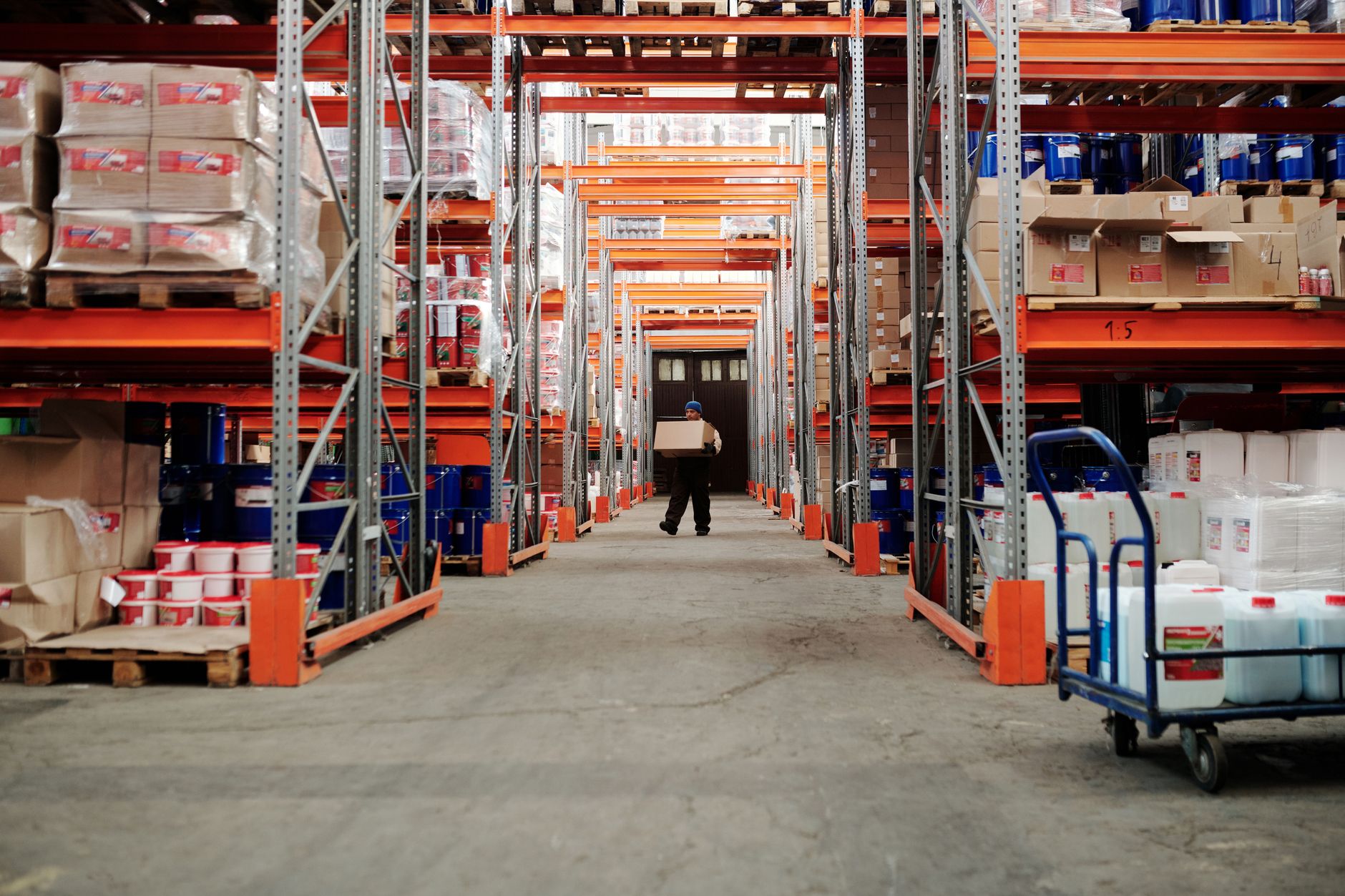
About 200% productivity gain and safer shifts
Published results from the deployment report pick productivity rising about 200%, with the team describing pick rates roughly triple what cart picking delivered. Cycle times fell enough that client orders shipped faster through the same building.
Safety leadership cited a sharp drop in incidents after go-live, which they tied to less strain from heavy carts. Associates quoted in the case material said picking felt less physically demanding and that work finished quicker, which helped retention in a tight labor market.
Higher throughput also let the center onboard additional healthcare clients that had been slated for other sites, turning automation into capacity rather than a one-time efficiency project.
What this means for healthcare distributors weighing AMRs
This is a documented deployment we analyze for readers, not a Service Robot Co. customer story. It still shows why pharma and med-device operators benchmark pick productivity, cycle time, and safety together before they scale warehouse robot rental or purchase programs.
Service Robot Co. stays vendor neutral: we match autonomous mobile robots to your WMS, finance the fleet, integrate pick workflows, train associates, and back the units with a nationwide service network. A free site assessment can pilot one aisle before you commit a full distribution center.