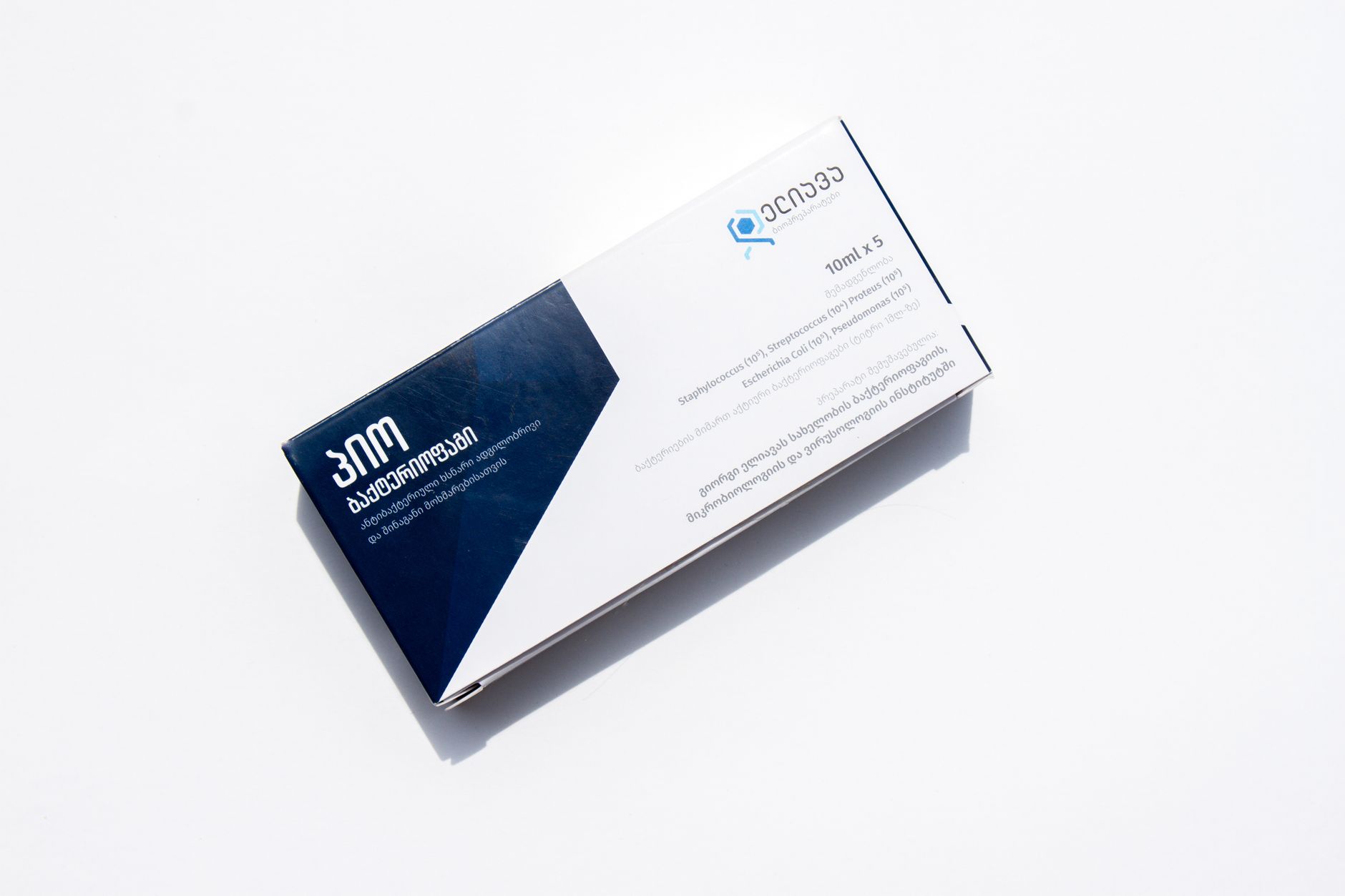
a chronic-care pharmaceutical packaging plant with high-bay warehouse storage
How a Pharmaceutical Packaging Plant Saved 35 Staff Hours Weekly With AMRs
See how a regulated packaging plant saved at least 35 staff hours weekly by moving dock-to-rack pallet transport onto five autonomous mobile robots.
- 35 hrs
- Weekly savings
- 5 AMRs
- Fleet size
- 5+ hrs
- Typical day
- 8+ hrs
- Peak days
Based on a documented real-world deployment. Figures are from public reporting; the organization is not named.
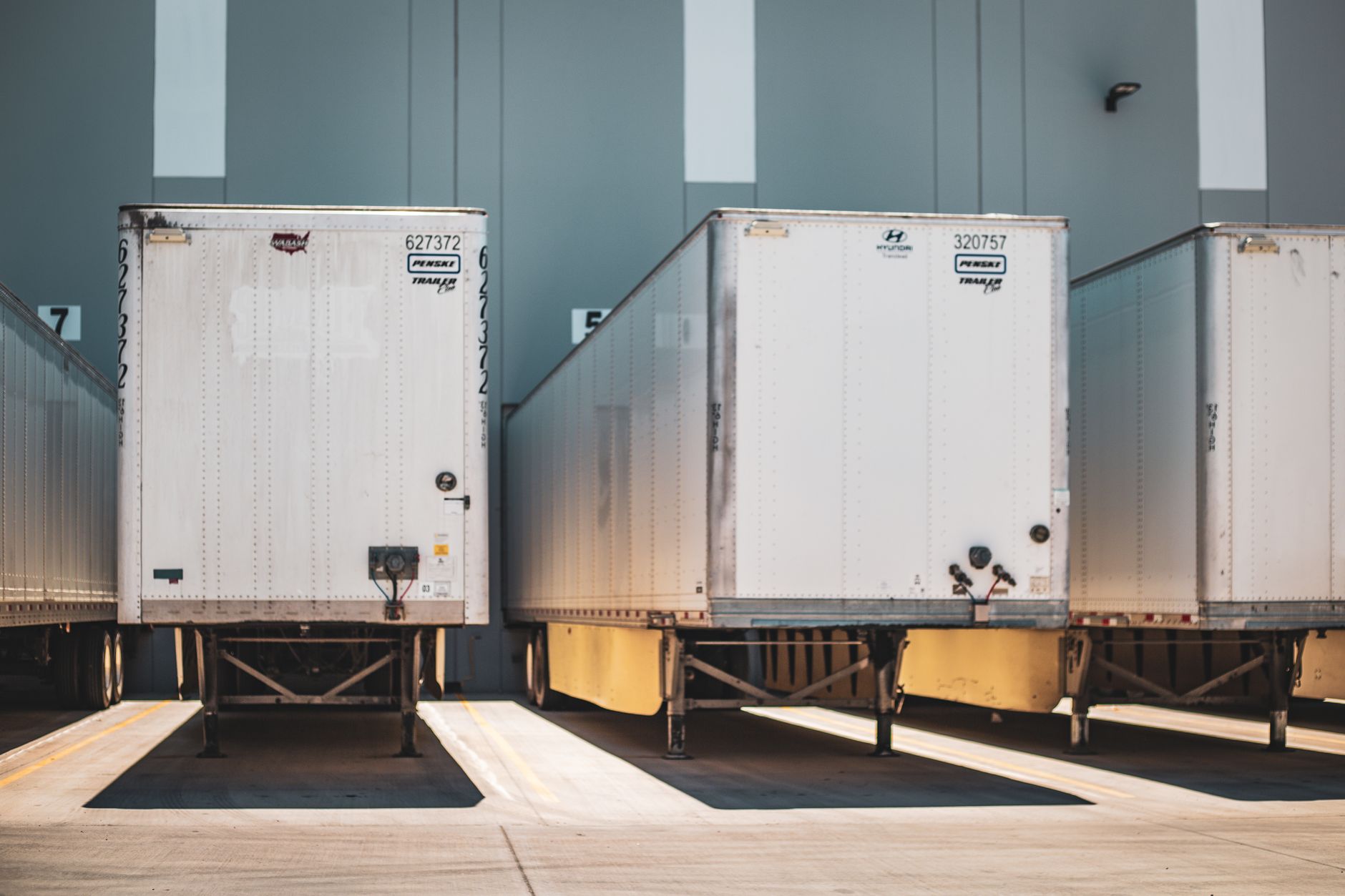
Forklift hours stuck on dock loops
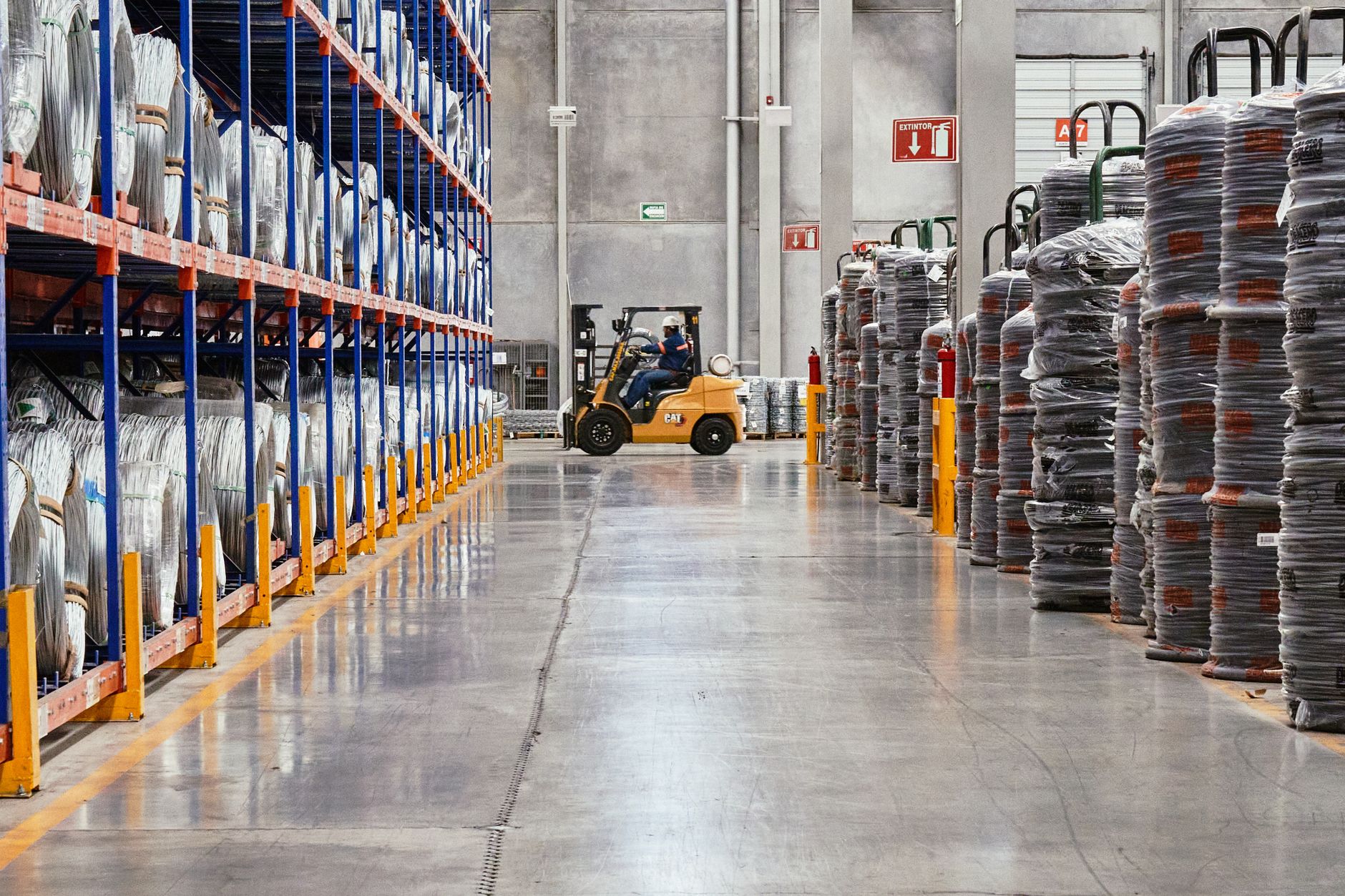
A chronic-care pharmaceutical packaging plant stores pallet loads of packaging materials in high-bay racks served by specialized fork trucks in narrow aisles. Workers used manned forklifts to move those pallets from the truck depot into the warehouse, then relied on reach equipment to put loads away.
On a typical production day that shuttle work consumed more than five hours of forklift time, and on the busiest runs it stretched past eight hours. Skilled warehouse staff spent their shifts on repetitive transport instead of assessing inbound pallets, prioritizing lots, and keeping line feed stable.
- Dock-to-rack moves tied up forklifts for multi-hour blocks
- Peak production days amplified the same manual loop
- Complex putaway decisions still needed experienced people
Feed aisle ends with autonomous pallet transport
The plant deployed five autonomous mobile robots sized for pallet loads to move packaging materials from receiving racks to the aisle mouths of the high-bay store. Reach trucks continue the vertical putaway while robots handle the horizontal shuttle that used to burn forklift hours.
Associates stage pallets on dedicated transfer racks so robots can collect loads and deliver them to the correct aisle ends on repeat routes. Fleet software assigns tasks to the robot that can complete the next move fastest and sends units to charge between jobs so downtime stays low.
- Stage inbound pallets on robot pickup racks at receiving
- Map routes from depot to high-bay aisle ends
- Keep vertical putaway on trained reach-truck operators
Documented weekly hours returned to warehouse staff
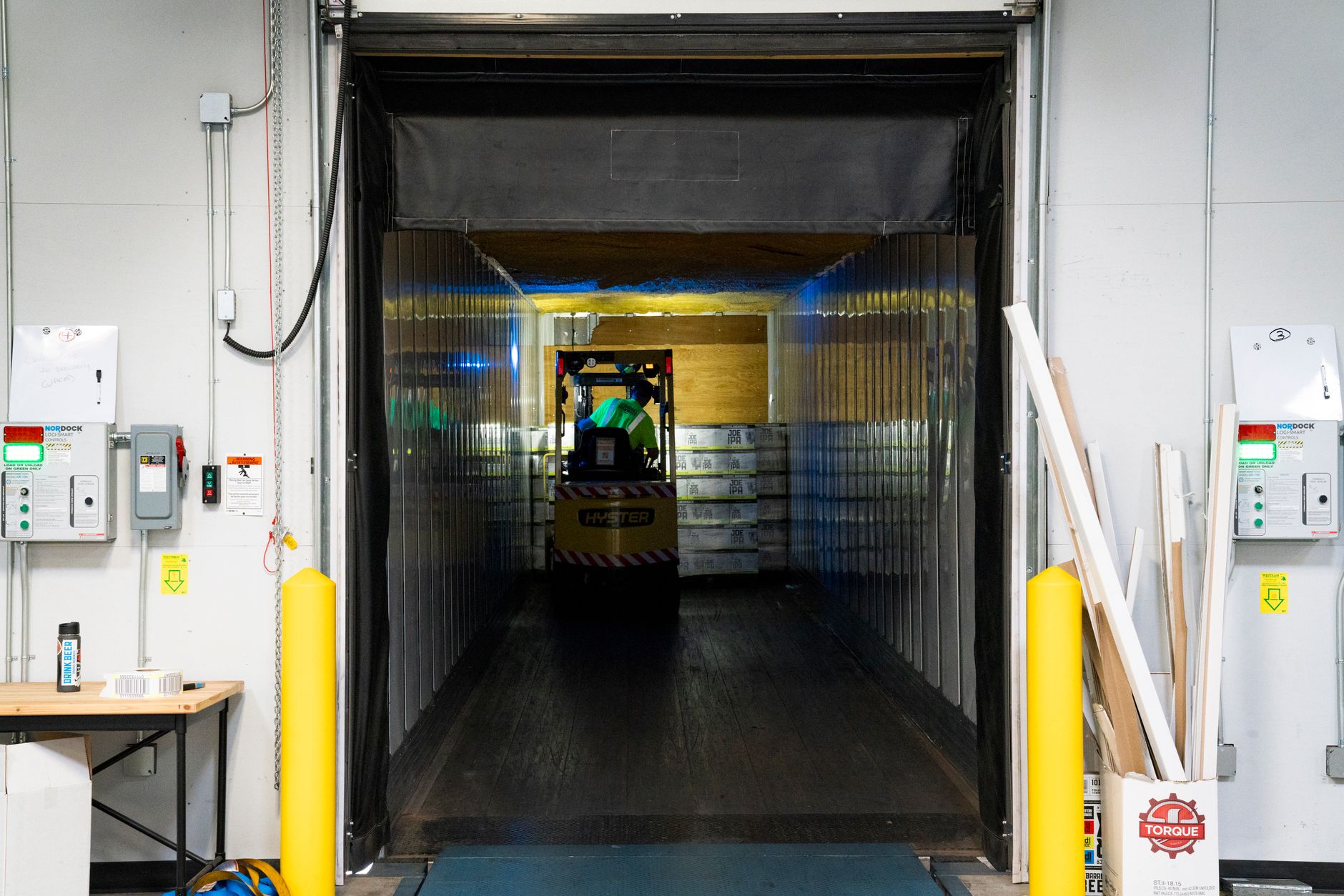
Leadership reported the autonomous fleet saved at least 35 man-hours each week on packaging material transport. That time previously went to internal moves between the truck depot and positioning areas before reach trucks took over.
Workers now focus on planning, prioritization, and handling exceptions that still require judgment about lot mix and production timing. The robots cover the steady shuttle while people own the decisions that change hour by hour.
What this pattern means for regulated warehouses
Pharmaceutical and medical packaging sites often have the same dock-to-aisle bottleneck: repetitive pallet miles that do not need a forklift license every trip. Service Robot Co. stays vendor neutral, sizes AMRs for pallet weight and aisle width, and supports monthly robot rental or phased fleet rollout before capital approval.
Route design, WMS handoffs, training, and nationwide service stay with one partner so quality and IT are not juggling separate vendors for integration and repair. A free site assessment can map whether dock-to-rack AMR rental fits your receiving layout.