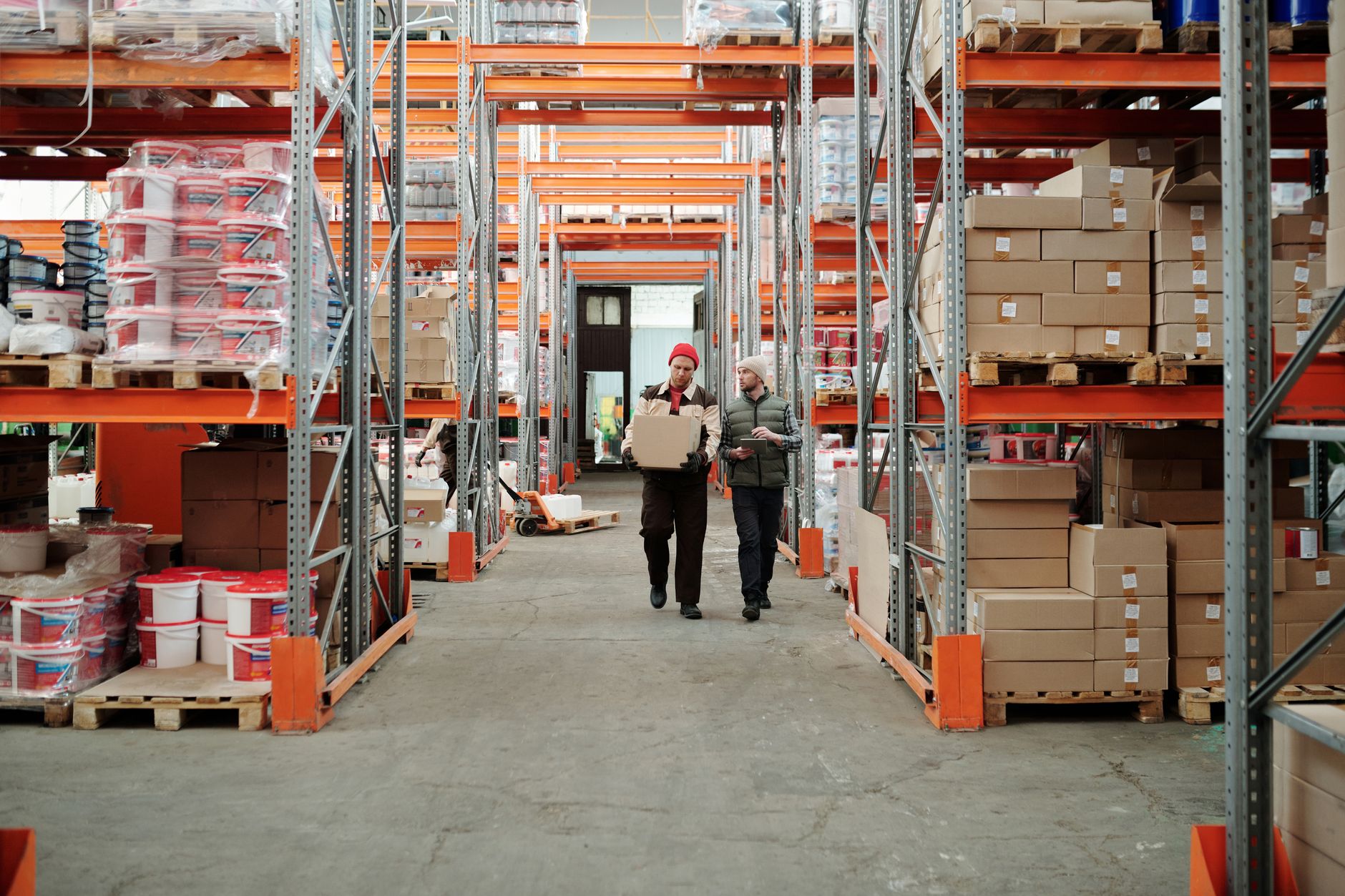
a pharmaceutical production and packaging plant in Switzerland
How a Pharmaceutical Plant Reclaimed 220 Annual Labor Hours With an Autonomous Scrubber
A Swiss pharmaceutical plant piloted an autonomous scrubber on 1,022 square meters of production and logistics floors, modeling 220 annual labor hours saved.
- 220 hrs
- Modeled labor
- 2.9 yrs
- Amortization
- 1,022m2
- Pilot footprint
- 6x/wk
- Cleaning cadence
Based on a documented real-world deployment. Figures are from public reporting; the organization is not named.
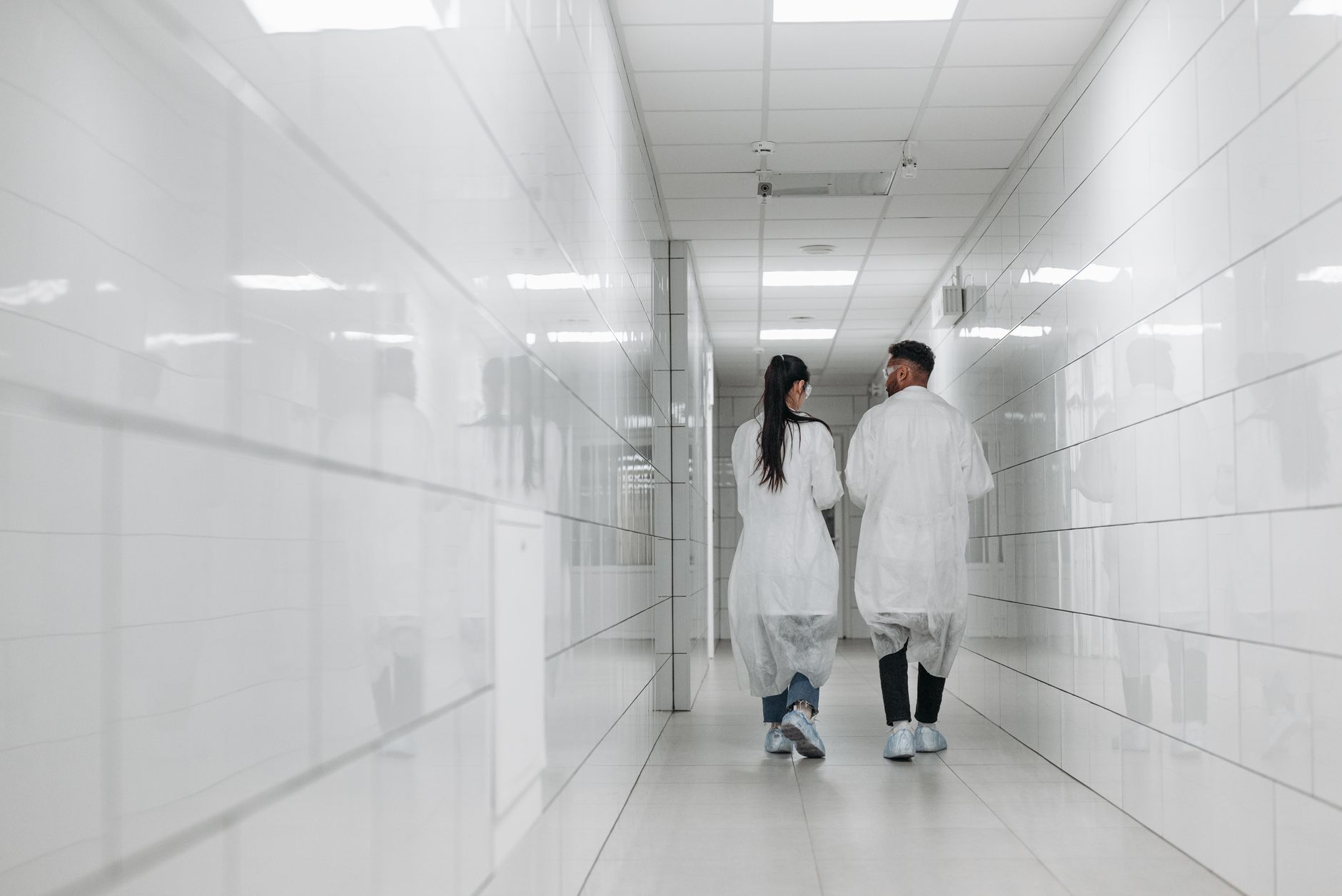
Night maintenance cleaning across regulated production zones
A pharmaceutical production and packaging plant in Switzerland needed dependable maintenance cleaning across warehouse, production, and logistics floors without leaning harder on overnight custodial crews.
Leaders wanted proof that an autonomous scrubber could match manual finish quality while fitting GMP-style expectations for safety and documentation.
The test had to cover real traffic patterns, storage corners, and the reality that coarse debris still appears before a scrubber can run.
- Mixed traffic and storage zones inside one contiguous pilot footprint
- Six weekly cleaning cycles on production-adjacent floors
- Need to limit person-machine contact during active night windows
Overnight routes with prep work still in human hands
A digitalization lab ran a field test with a compact autonomous scrubber-dryer after an earlier sweeping trial, mapping about 1,022 square meters that included traffic aisles and storage bays.
Crews cleared coarse dirt manually before each autonomous cycle, then let the robot run on a schedule that targeted roughly 23:00 to 05:00 when foot traffic dropped.
Operators monitored docking, charging, and occasional stuck events while the robot completed multi-hour passes reported at about 250 square meters per hour.
- Pre-clean heavy debris before launching autonomous scrubbing
- Run overnight when collision risk with people is lowest
- Log interventions when access limits or faults stop a cycle
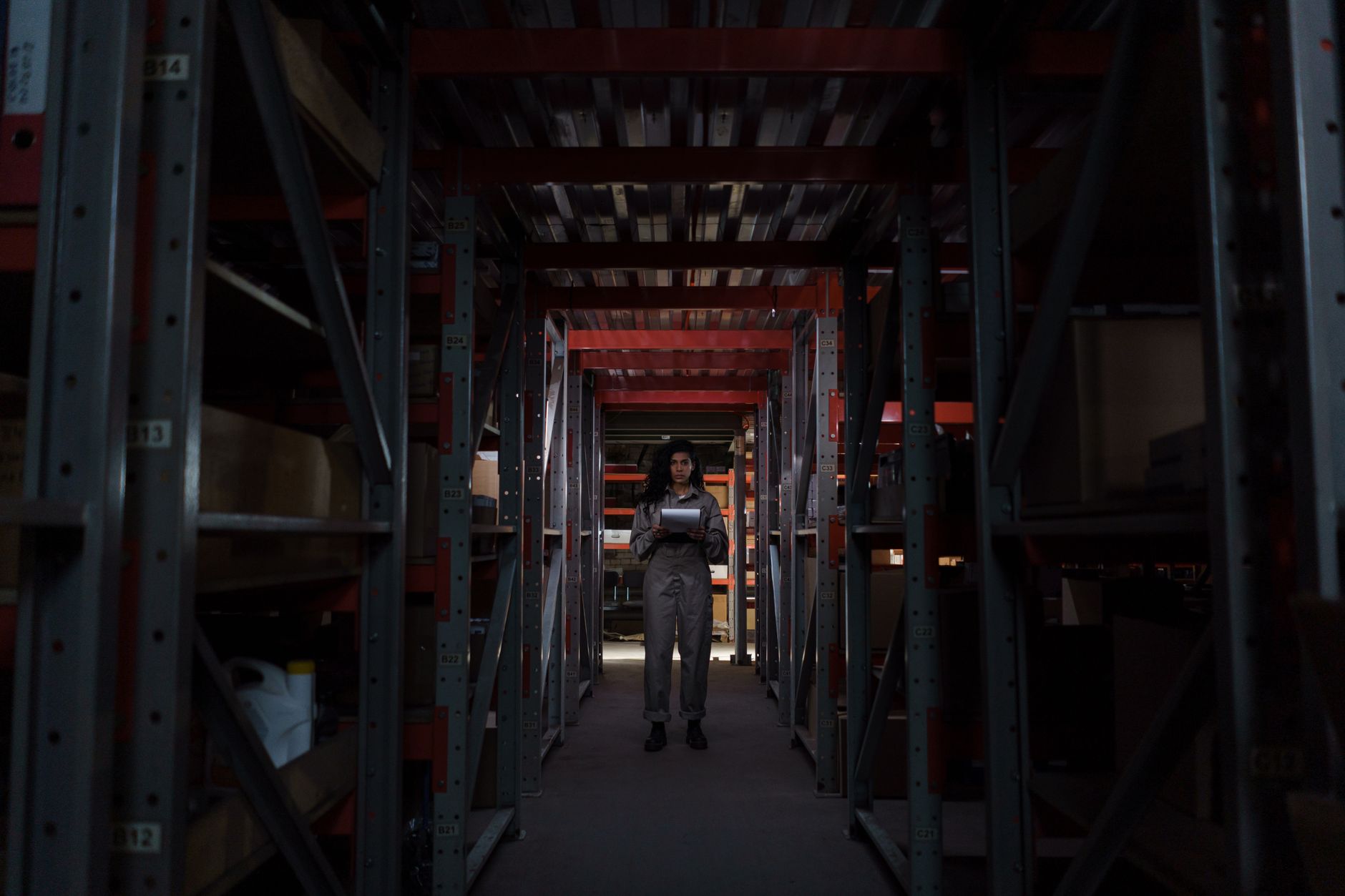
Manual-quality finish with modeled labor relief
Visual inspections found cleaning results comparable to manual work, with no reported quality loss across the pilot area cleaned six times per week.
Night operations reported no collisions with people or objects during the monitored window, aside from one manual recovery when the unit wedged in a tight layout.
An economic model tied to the pilot cited about 220 hours of annual labor input and roughly CHF 8,390 in annual cleaning cost savings, with amortization near 2.9 years once prep and follow-up time stayed in the plan. Broader guidance from the project noted realistic payback between about three and six years depending on frequency and square footage.
What U.S. pharma and life-science sites should take away
This Swiss example is a documented pilot, not a Service Robot Co. customer deployment. It still shows how regulated plants can use autonomous scrubbers for maintenance routes when humans handle prep and exceptions.
Service Robot Co. helps U.S. operators compare scrubber options, structure robot leasing for business with flexible terms, and support units through remote triage and a nationwide network of regional service engineers.
A free site assessment on one production aisle or warehouse loop lets you validate clearance, water recovery, and night-shift noise before you scale autonomous floor scrubber rental across a campus.