
an independent high-volume pizzeria
Pizzeria Case Study: Production Doubled With No Labor Change
A documented restaurant case on how a robotic pizza assembly station doubled production at an independent high-volume pizzeria without adding labor.
- 2x
- Production output
- 0
- Added labor
- 130+/hour
- Rated throughput
- 1 person
- Rated operation
Based on a documented real-world deployment. Figures are from public reporting; the organization is not named.
Throughput Was Capped by Hand Assembly
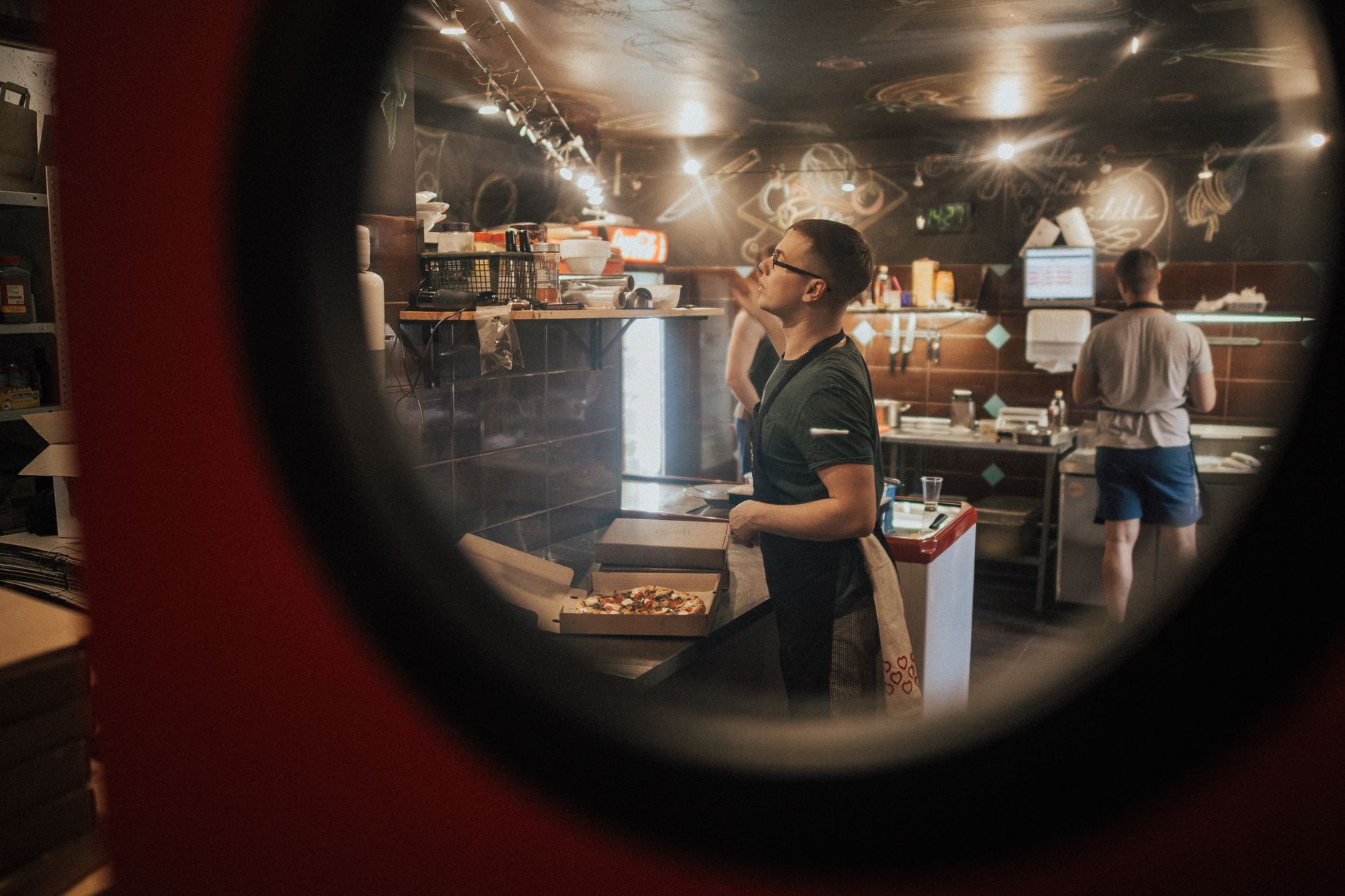
The independent high-volume pizzeria needed more output, but it did not want growth to come from adding more people to the kitchen crew. That is a familiar restaurant bind. Demand can rise faster than the make line, and hand assembly becomes the choke point.
In a busy pizza operation, assembly work is repetitive, pace-sensitive, and unforgiving during rushes. When the line depends entirely on manual topping and portioning, capacity is tied to staffing, training, and the physical rhythm of the station.
- More pizza demand, with no appetite for a larger crew
- A make line constrained by repetitive manual assembly
- Need for higher throughput inside the current kitchen footprint
A Robotic Station Added Capacity Around the Existing Team
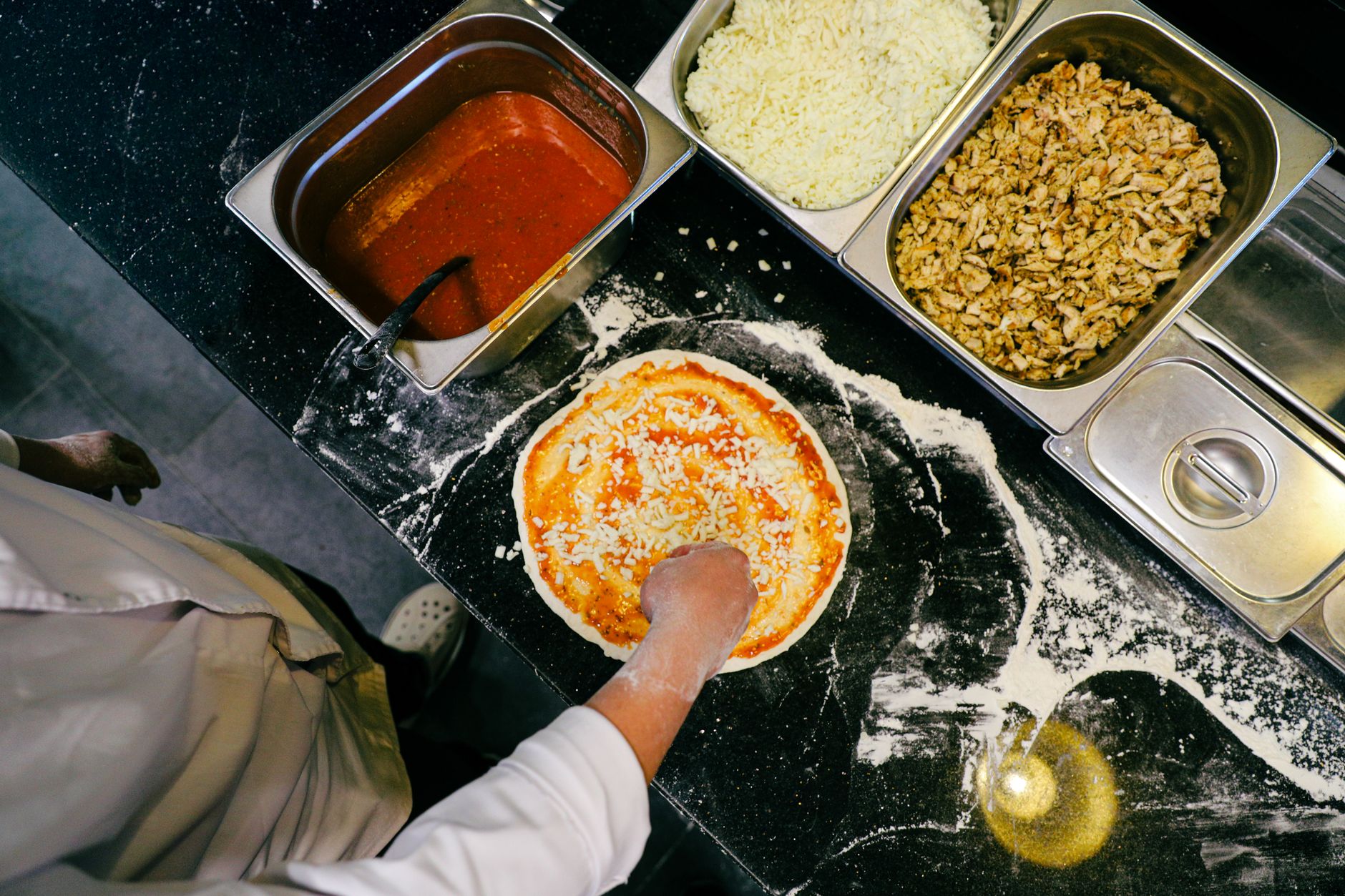
The restaurant introduced a robotic pizza assembly station built to automate the repeatable portion of pizza prep while keeping the rest of the kitchen flow intact. The source material describes a modular system that fits within the current kitchen footprint, integrates into existing makelines, and needs no plumbing or buildout, only a 208v outlet.
The equipment is available in two-base and three-base configurations, which matters in real kitchens where footprint and menu complexity shape the deployment. Staff stay in the loop, while the station handles consistent application of ingredients and the team shifts attention to quality control, customer service, and the broader flow of service.
- Match the station to the menu, footprint, and ingredient flow
- Install it into the existing makeline instead of rebuilding the kitchen
- Train the team on daily operation, cleaning, and handoff points
- Back the rollout with service, support, and clear ownership of the full lifecycle
Measured Output Rose Without a Labor Increase
The documented outcome is clear and unusually crisp. The independent high-volume pizzeria reported that production doubled without changing labor. For restaurant operators, that is the headline, because it frames the robot as a capacity tool, not a headcount story.
The source also states that the station can produce 130+ oven-ready pizzas per hour with one employee, based on a 16-inch pizza, and that throughput rises as pizza size decreases. Those operating specs help explain how a kitchen can find meaningful headroom without expanding its crew or footprint.
This was a documented third-party deployment, not a Service Robot Co. project. Its value lies in the operating pattern: a robotic pizza assembly station can absorb repetitive prep at line speed and let the existing team support more volume.
What This Means for Restaurant Operators
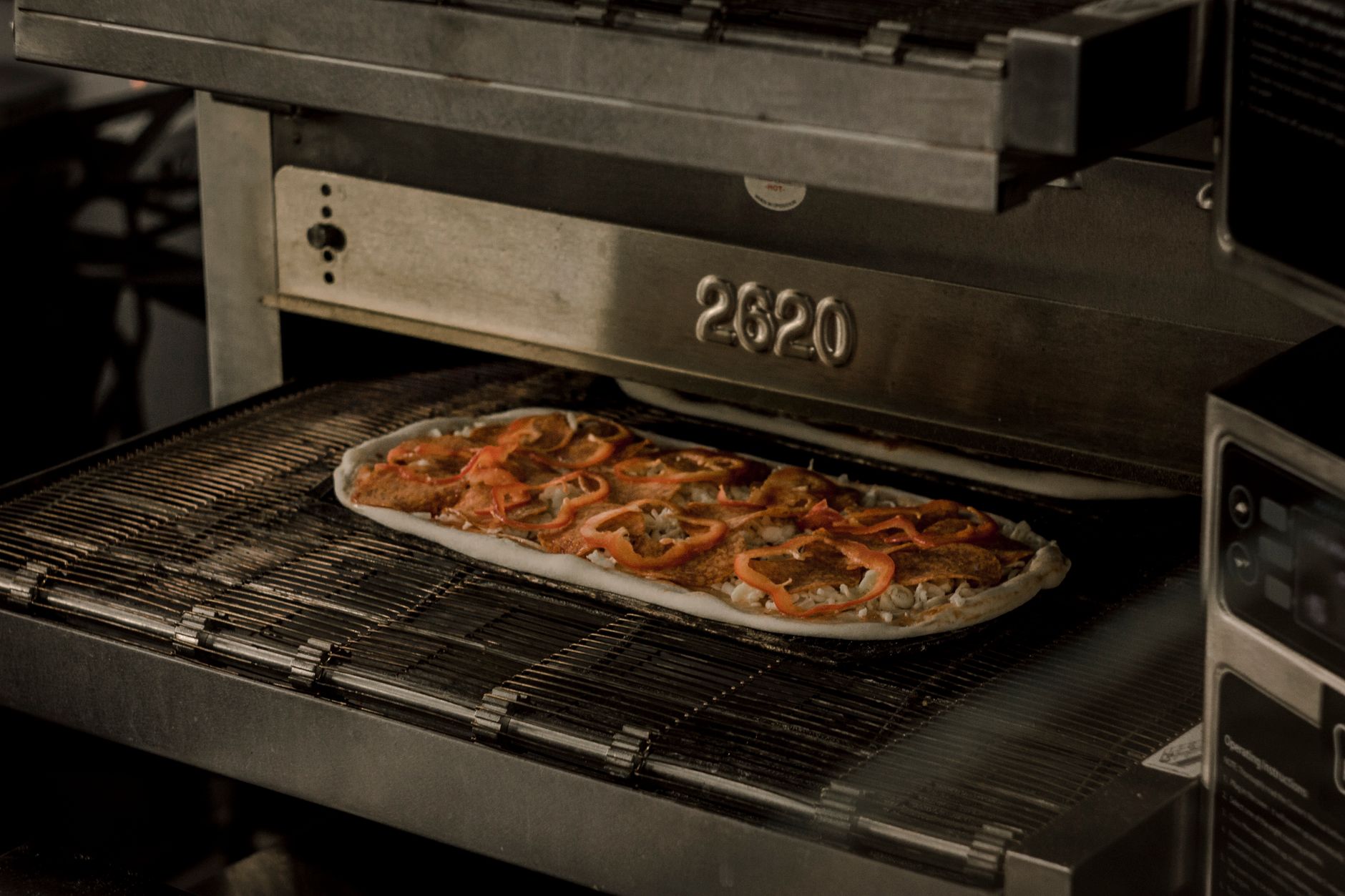
This is the practical case for automated kitchens in restaurants that already have demand and simply need more assembly capacity. The lesson is not spectacle. It is disciplined throughput growth, with the robot taking the repeatable layer of work and the team staying focused on food quality, timing, and the guest experience.
Service Robot Co. did not run this deployment. What Service Robot Co. brings to buyers is the path from interest to a working fleet: a full-service, OEM-neutral commercial robot integrator for US businesses that helps operators evaluate fit, compare purchase or lease, structure robot leasing for business or robot as a service, and handle robot deployment and integration, training, and ongoing service through one partner.
For operators sorting through monthly payment programs, RoboCare™ service support, free site assessment conversations, and the realities of a vendor neutral robot integrator, this case sharpens the buying lens. The right system should earn its place by raising output around the team you already trust.