
a heavy-equipment installation project at an industrial plant
Heavy Equipment Installation Time Cut 85% With Robot Assist
See how a construction-assist robot cut heavy-equipment installation from about five hours to 45 minutes while reducing the crew from five to two.
- 85%
- Less elapsed time
- 5 workers
- Conventional crew
- 2 workers
- Robot-assisted crew
- 45 minutes
- Robot-assisted time
Based on a documented real-world deployment. Figures are from public reporting; the organization is not named.
A Difficult Installation Under Schedule and Safety Pressure
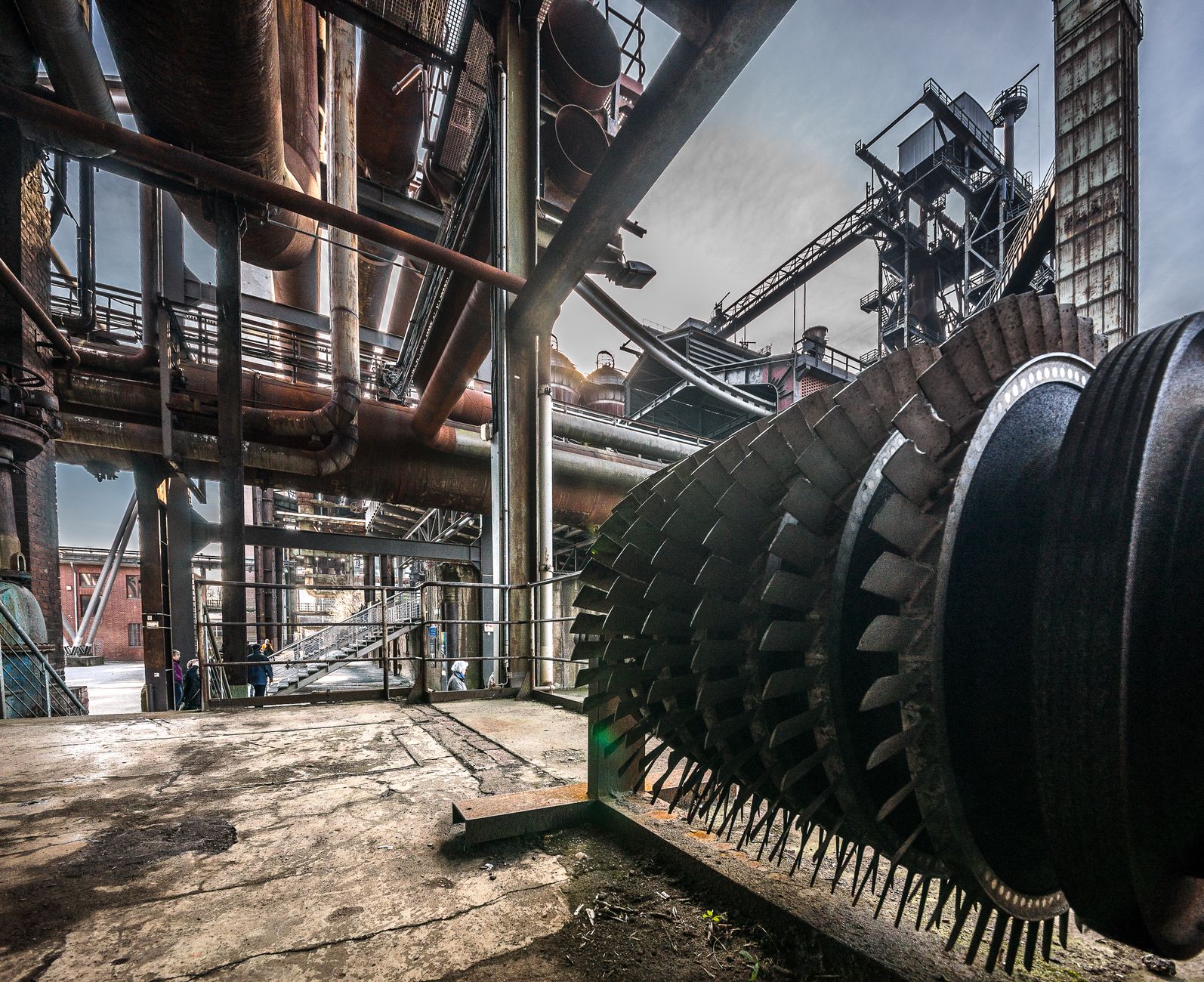
Plant construction packs consequential work into cramped, unforgiving spaces. Equipment installation and pipe fitting demand time, coordinated labor, and specialized skill, while close contact with heavy loads creates exposure that cannot be treated casually.
For this heavy-equipment installation project at an industrial plant, the conventional method required five workers and about five hours. That burden tightened the schedule and concentrated scarce tradespeople around a hazardous handling task.
- Confined work areas complicated transport and final positioning.
- Heavy loads required close coordination among skilled workers.
- Direct contact with equipment increased handling exposure.
- Lengthy installation work put pressure on labor availability and the project sequence.
Purpose-Built Assistance for Transport and Placement
The project introduced a construction-assist robot that could transport and install equipment with the same unit. It adjusted automatically along three axes to suit the equipment and work area, carried a maximum load of 3 t, and maneuvered using four-wheel steering and turning functions.
The published account confirms task selection and site use, but it does not describe a phased rollout, operator training program, or service arrangement. Those omissions matter. The result demonstrates task fit, not a universal robot deployment and integration blueprint.
- Match load rating, equipment geometry, access paths, floor conditions, and positioning tolerances.
- Use site assessment mapping to expose clearance and maneuvering constraints.
- Run a contained commercial robot demo or robot pilot program on a repeatable installation sequence.
- Train operators on handoffs, exclusion zones, stop procedures, and recovery.
- Establish remote triage, on-site dispatch, and a robot maintenance service plan before routine operation.
Five Hours Became 45 Minutes
The measured change was stark. Work that normally occupied five workers for about five hours was completed by two workers in 45 minutes. The source reports an 85% reduction in elapsed installation time.
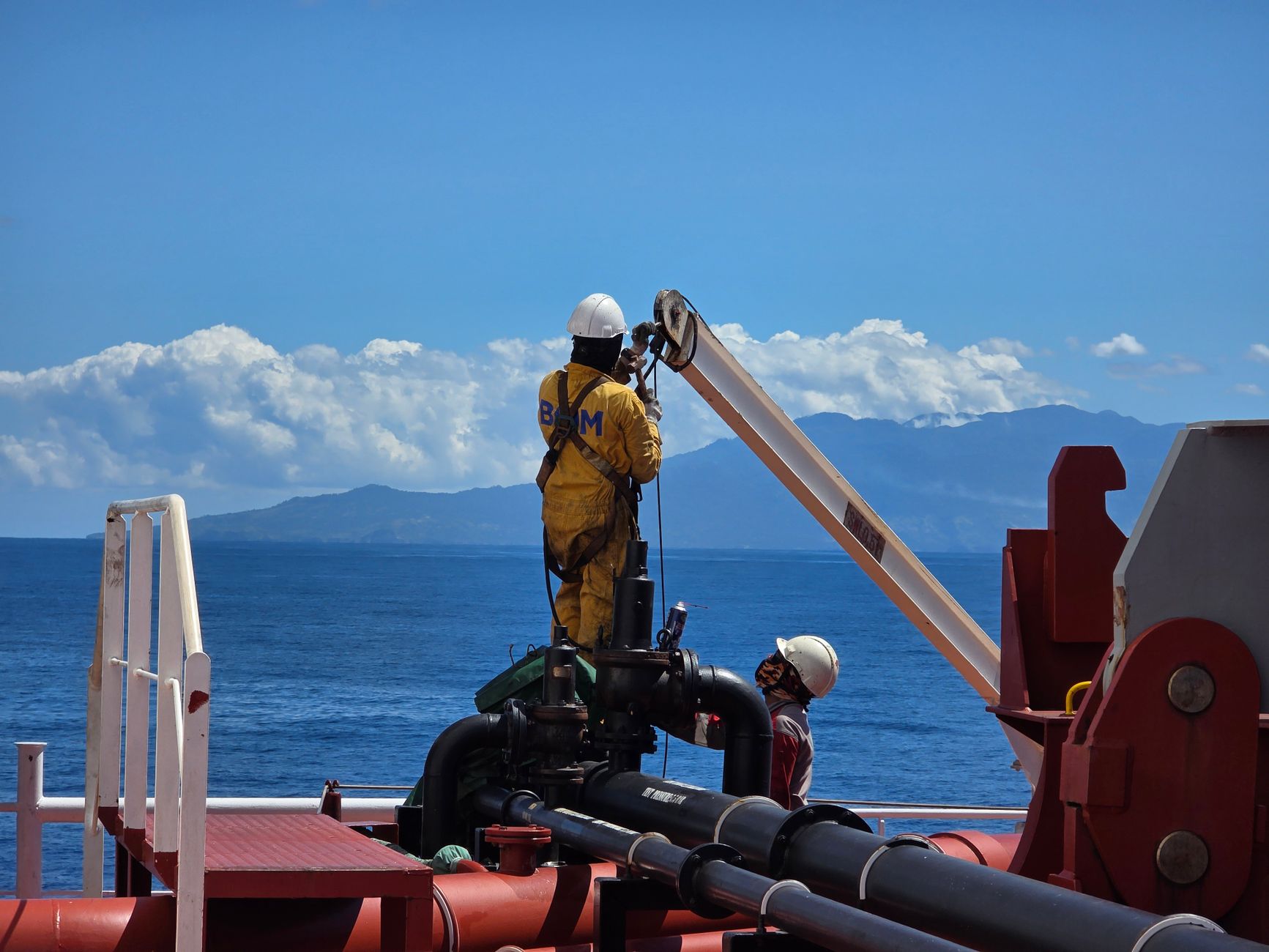
The smaller crew did not remove people from the operation. It repositioned them around a mechanized handling process. The robot also allowed the task to be performed without workers touching the transported or installed object, or the robot itself, reducing direct contact during movement and placement.
The source cautions that required time varies by work type. This is therefore a documented project result, not a blanket performance guarantee for every plant, load, or installation sequence.
A Procurement Lesson for US Industrial Operators
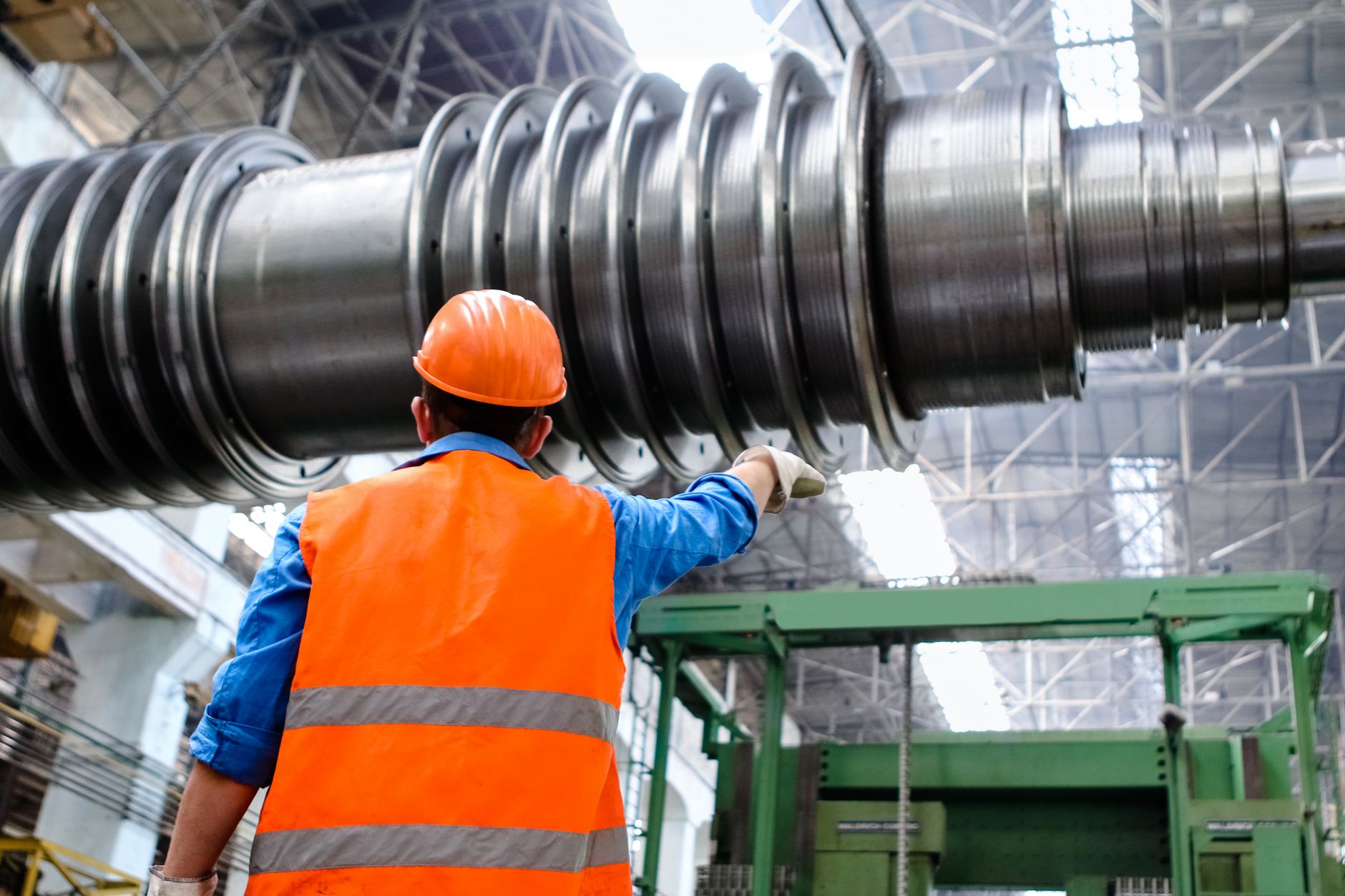
The broader lesson is precise: start with the task, its load, its geometry, and its operating constraints. Service Robot Co. serves as a vendor neutral robot integrator for US businesses, selecting equipment across manufacturers and pairing that selection with financing, robot deployment and integration, training, and lifecycle service.
For an industrial operator evaluating a construction-assist robot or manufacturing plant robot leasing, that structure reduces procurement fragmentation. Service Robot Co. can coordinate a phased deployment no shutdown plan when site conditions permit, then support deployed units through a nationwide US engineer network. A single accountable partner remains responsible from site assessment through ongoing service.