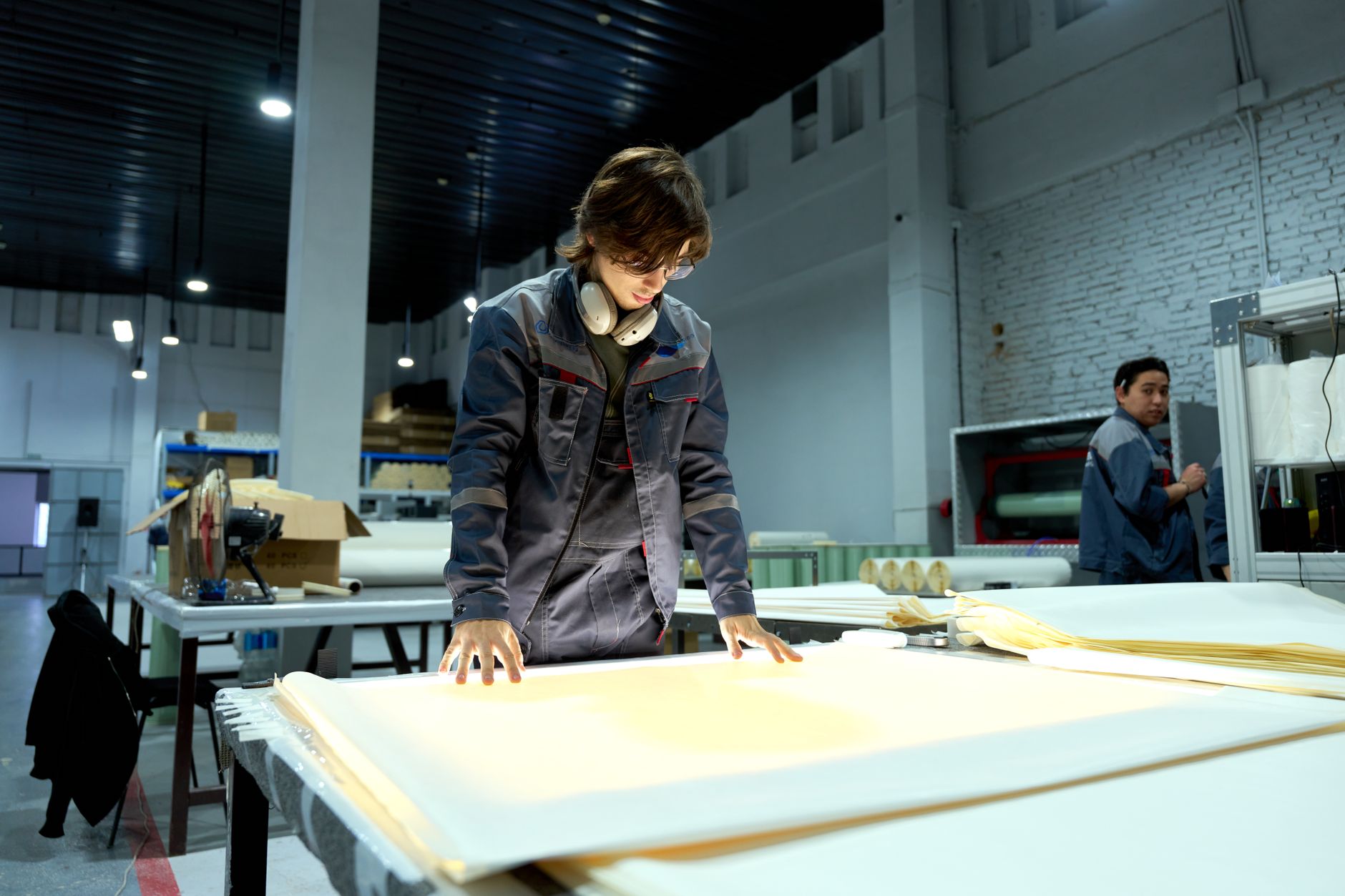
a 95-employee injection-molding operation in North Carolina
How a Plastics Plant Cut Welding Cycle Time 23%
A 95-employee North Carolina injection molder used a six-axis cell to assemble and ultrasonically weld spools, cutting cycle time 23% and man-hours 45%.
- 23%
- Faster cycle
- 45%
- Less labor
- 27 hr
- Trailer fill
- <8 mo
- ROI cited
Based on a documented real-world deployment. Figures are from public reporting; the organization is not named.
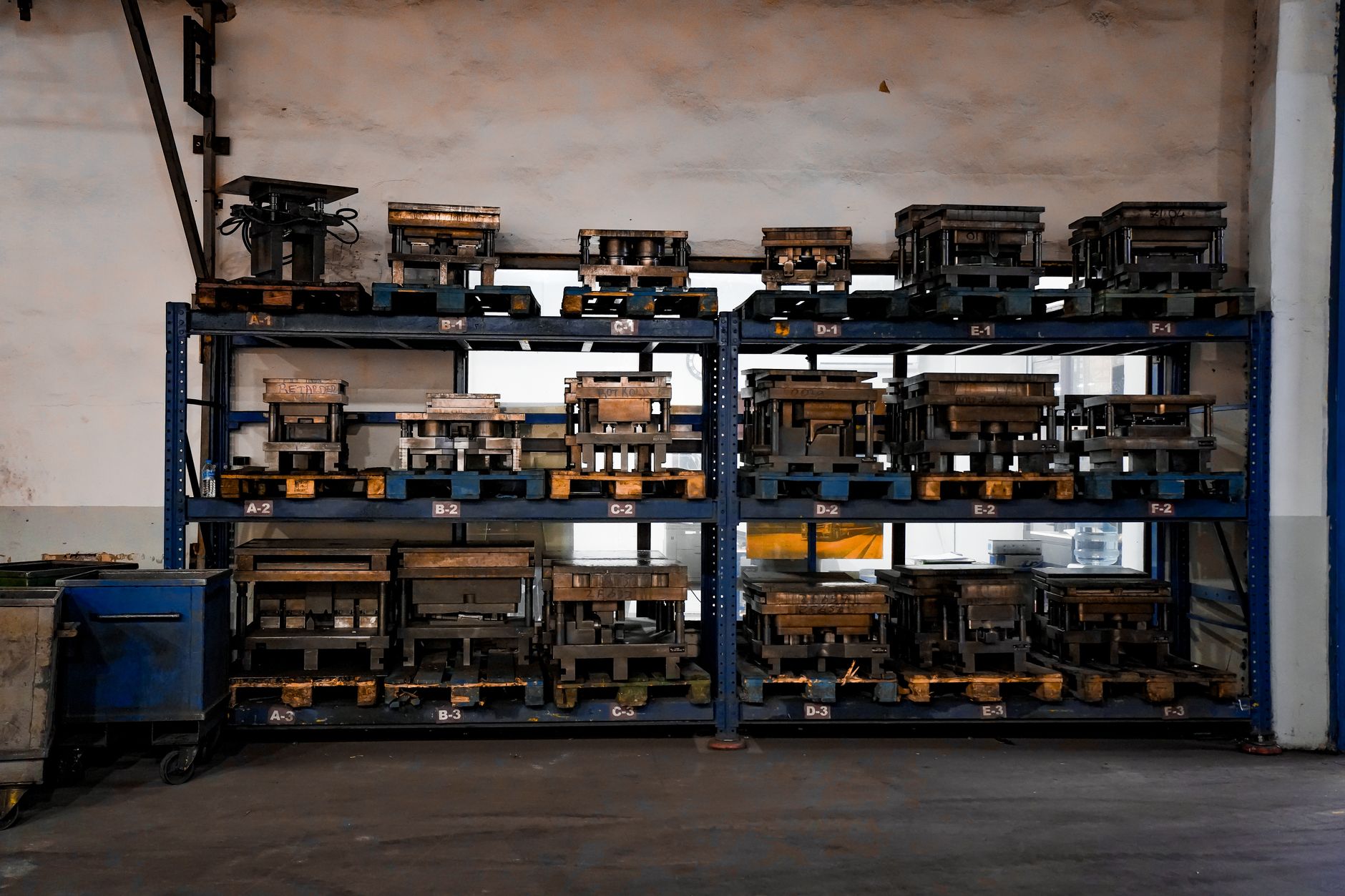
Glue and hand weld limits
A 95-employee injection-molding operation in North Carolina runs precision thermoplastic parts for meter covers, dental cases, and industrial spools across dozens of presses. Spool halves were glued and welded by hand, which tied up people and drifted as shifts wore on.
Material prices were climbing while customers still expected stable pricing. Leadership needed robotic plastics welding and handling that could keep consistency without adding headcount on every line.
- Manual glue and weld steps
- Rising resin cost pressure
- Consistency across long shifts
Six-axis unload to ultrasonic weld
Integrators installed a six-axis robot with grippers to pull two spool halves from a 390-ton press, rotate to an assembly table, mate the halves, and present the assembly to an ultrasonic welder. Install and programming took about fourteen weeks from project start to production.
The cell runs inside guarding on the plant floor so operators supervise rather than wrestle hot parts shift after shift. Leadership planned a second robot to serve two presses once the first cell proved out on spool volume.
- Press unload and flip assembly
- Ultrasonic weld in one loop
- Guarded cell on the floor
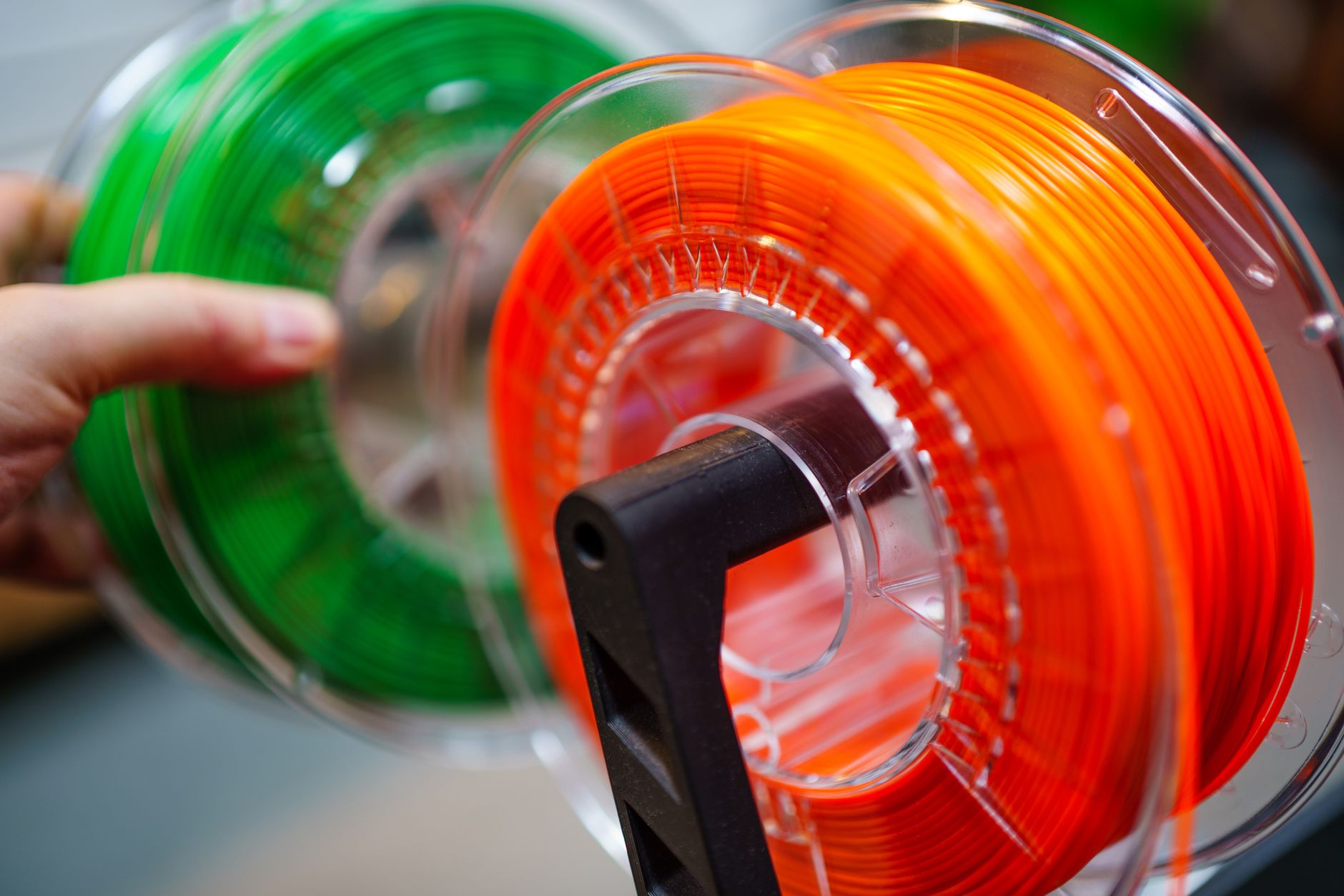
Measured production gains
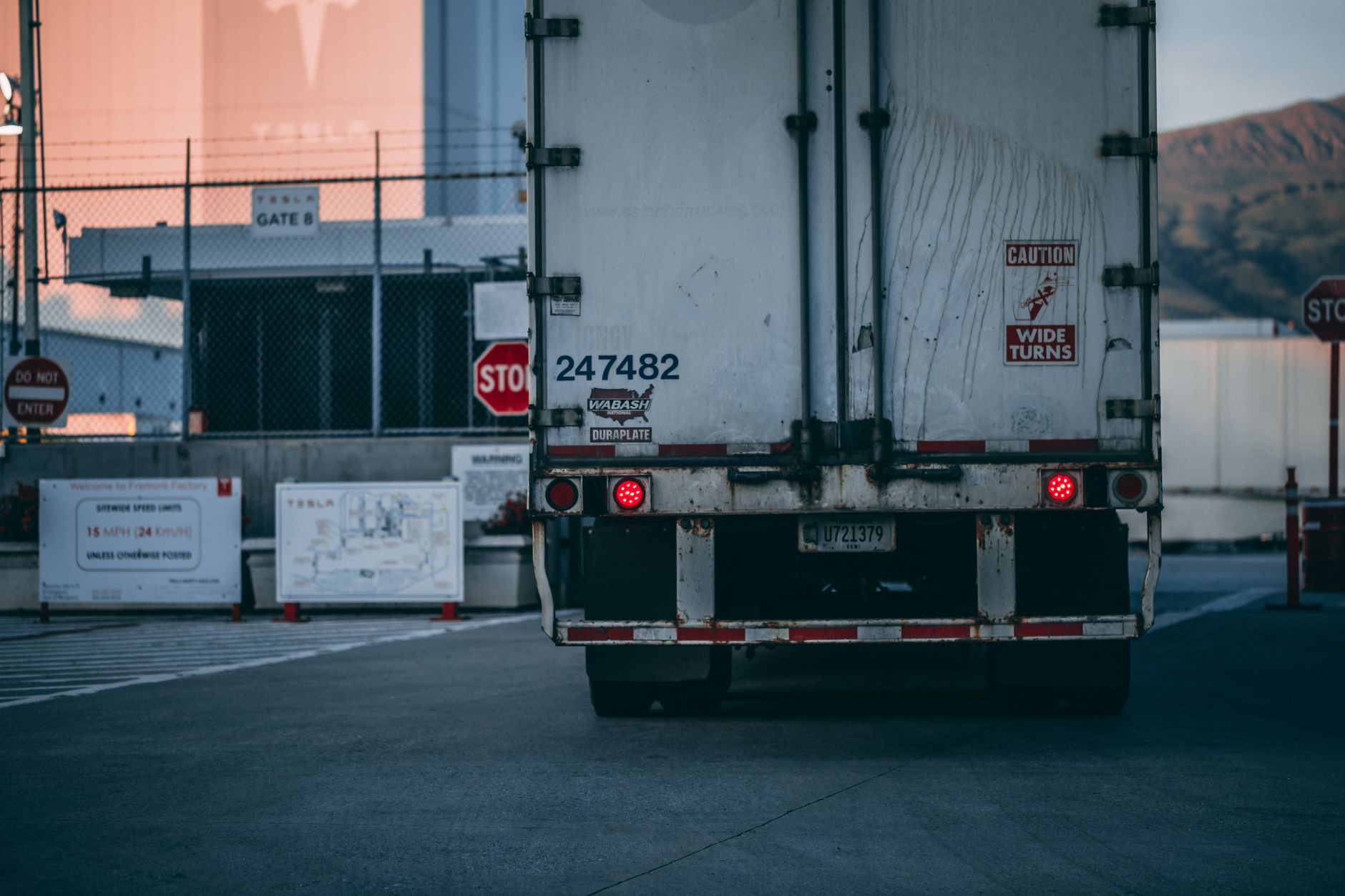
Cycle time on the spool product fell 23 percent after automation. Filling a tractor-trailer load dropped from about two and a half days to 27 hours, a cited saving of 33 man-hours on that shipping rhythm alone.
Man-hours on the cell fell about 45 percent while weld quality stayed even because the robot does not fatigue or miss cycles. Freed press time let the shop mold additional products on the same machine between spool runs.
What custom molders can take away
Hand assembly on injection parts looks cheap until resin inflation and trailer deadlines expose the real cost of inconsistency.
Service Robot Co. did not install this North Carolina cell. We help US molders pick vendor-neutral cobot rental or six-axis cells, finance through robot leasing for business, integrate ultrasonic and assembly tooling, train operators, and service the line nationwide. A phased deployment no shutdown pilot on one spool or cover family can prove cycle and labor gains before you scale.