
a 25-to-50-person plastics components manufacturer in Denmark
Plastics Machine-Tending Cobot Raises Productivity 35%
See how a compact machine-tending cobot raised plastics productivity 35%, reached a 1.5-year payback, and made new contract work commercially viable.
- 35%
- Productivity gain
- 1.5 years
- Payback period
- 3 days
- Install and train
- 1 day
- Operator training
Based on a documented real-world deployment. Figures are from public reporting; the organization is not named.
A Repetitive Bottleneck in a Tight Footprint
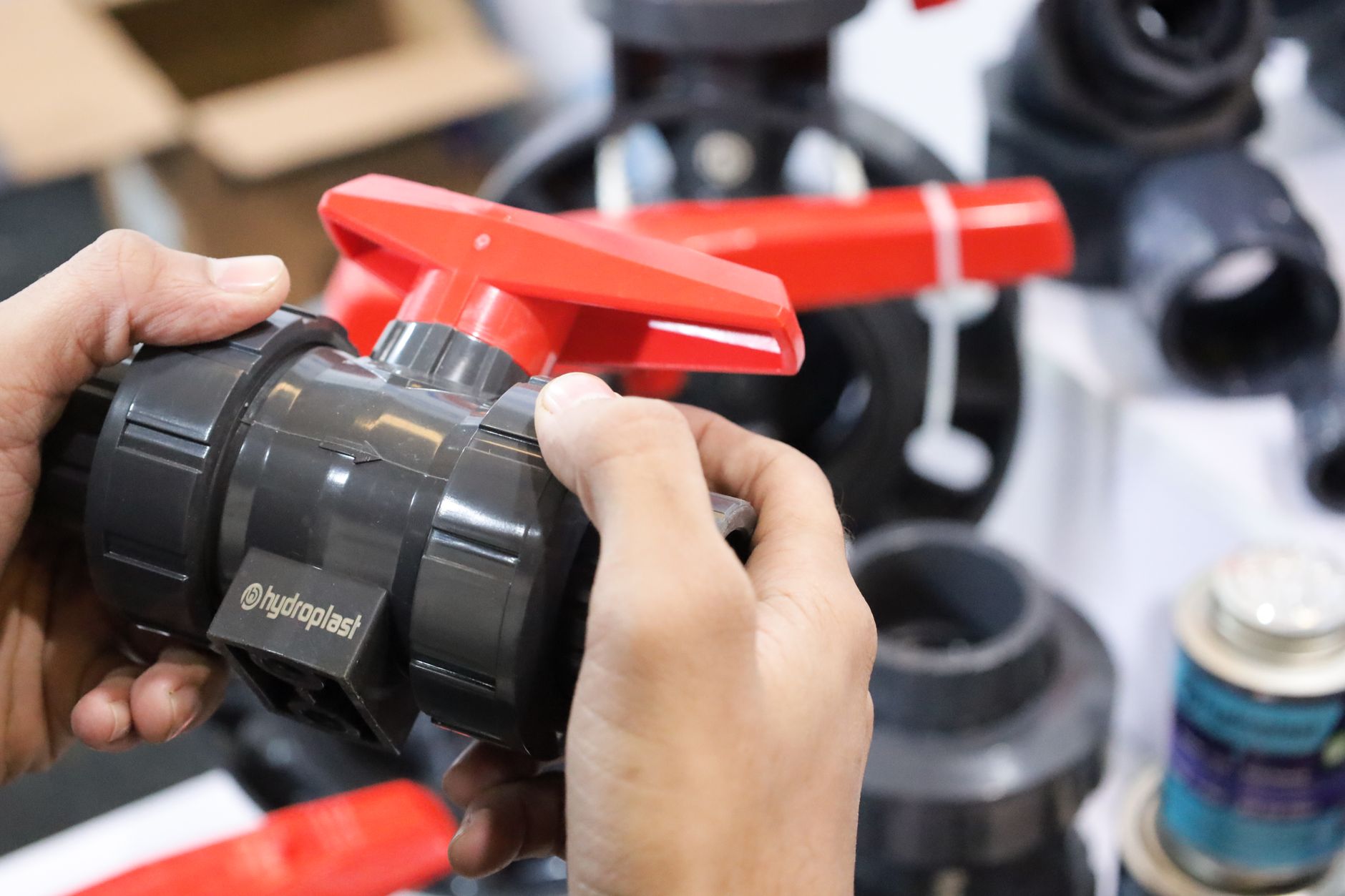
The plant produced plastic components for multiple industries, with milling and finishing creating repetitive work that was difficult to keep consistent. Production time fluctuated with the demands of the manual task, making added volume hard to absorb predictably.
Space sharpened the constraint. Any machine-tending cobot had to fit a compact production area, work near employees without bulky shielding or fencing, and support a short payback while reducing repetitive handling.
- Reduce repetitive manual work around milling and finishing.
- Stabilize a variable production step without consuming scarce floor space.
- Create enough dependable capacity to pursue contracts that had not been practical.
A Compact Cell, Commissioned at Production Pace
Selection started with operational fit. The plant chose a small collaborative arm that could integrate with the production line, then assigned it the documented pick-and-place work within the milling and finishing flow.
The published record describes one tightly staged installation, not a phased rollout. Installation, CE marking, optimization, and employee training were completed in 3 days. It does not disclose an ongoing service arrangement or maintenance terms.
- Install and optimize the collaborative cell over 2 days.
- Train employees to operate the equipment over 1 day.
- Add another gripping device, a small tooling adjustment that preceded the reported productivity gain.
More Output and a Wider Contract Envelope
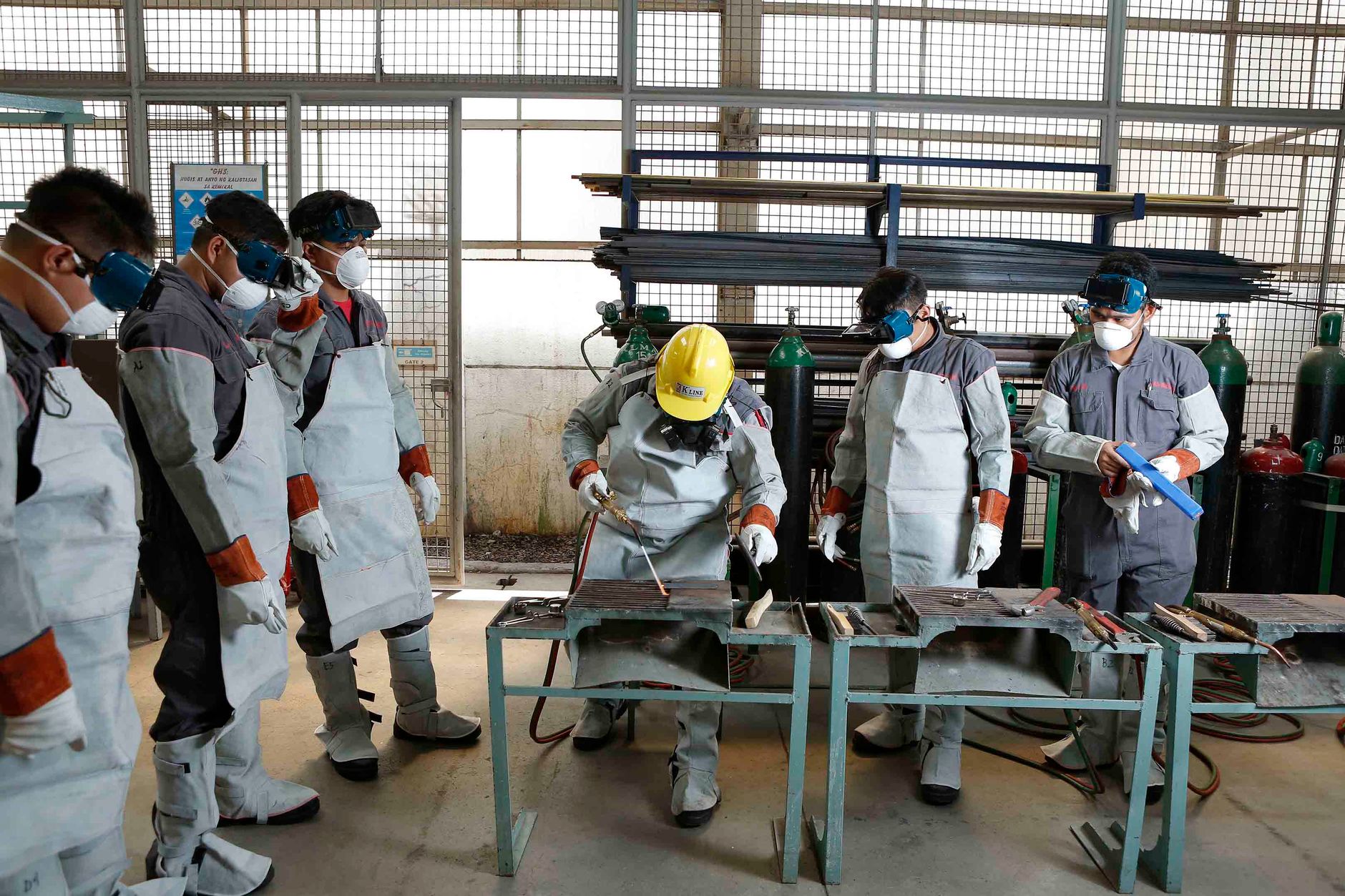
After the cobot entered production and another gripping device was added, reported productivity increased 35%. The source presents 35% as the headline outcome and does not publish a baseline rate, so the gain should not be converted into unsupported units per hour.
The investment reached payback in 1.5 years. Just as important, the added capability allowed the manufacturer to bid on projects that had previously been impractical, turning a cramped, variable operation into a more credible platform for growth.
How Service Robot Co. Applies the Lesson
This documented deployment was not run by Service Robot Co. Its lesson is the value of matching a machine tending robot to the cell: footprint, task, guarding, tooling, operator workflow, and useful-output economics all have to line up.
For US businesses, Service Robot Co. is a full-service, OEM-neutral vendor neutral robot integrator. We select equipment across manufacturers, then finance, integrate, deploy, train, and service each unit through a nationwide US engineer network. Clients get one partner one number across collaborative robot arm leasing, cobot leasing for manufacturing, purchase or lease, monthly payment programs, robot deployment and integration, and a robot maintenance service plan.