
a European pork-processing and fulfillment center
Pork Fulfillment Case Study: 50% Shorter Delivery Lead Time
See how robotic order-picking cells cut order-to-delivery lead time 50%, extended pork shelf life 20%, and raised machinery use 30 to 50% in fresh fulfillment.
- 50%
- Shorter delivery lead time
- 20%
- Longer product shelf life
- 30 to 50%
- Higher machinery utilization
- 4
- Robotic order-picking cells
Based on a documented real-world deployment. Figures are from public reporting; the organization is not named.
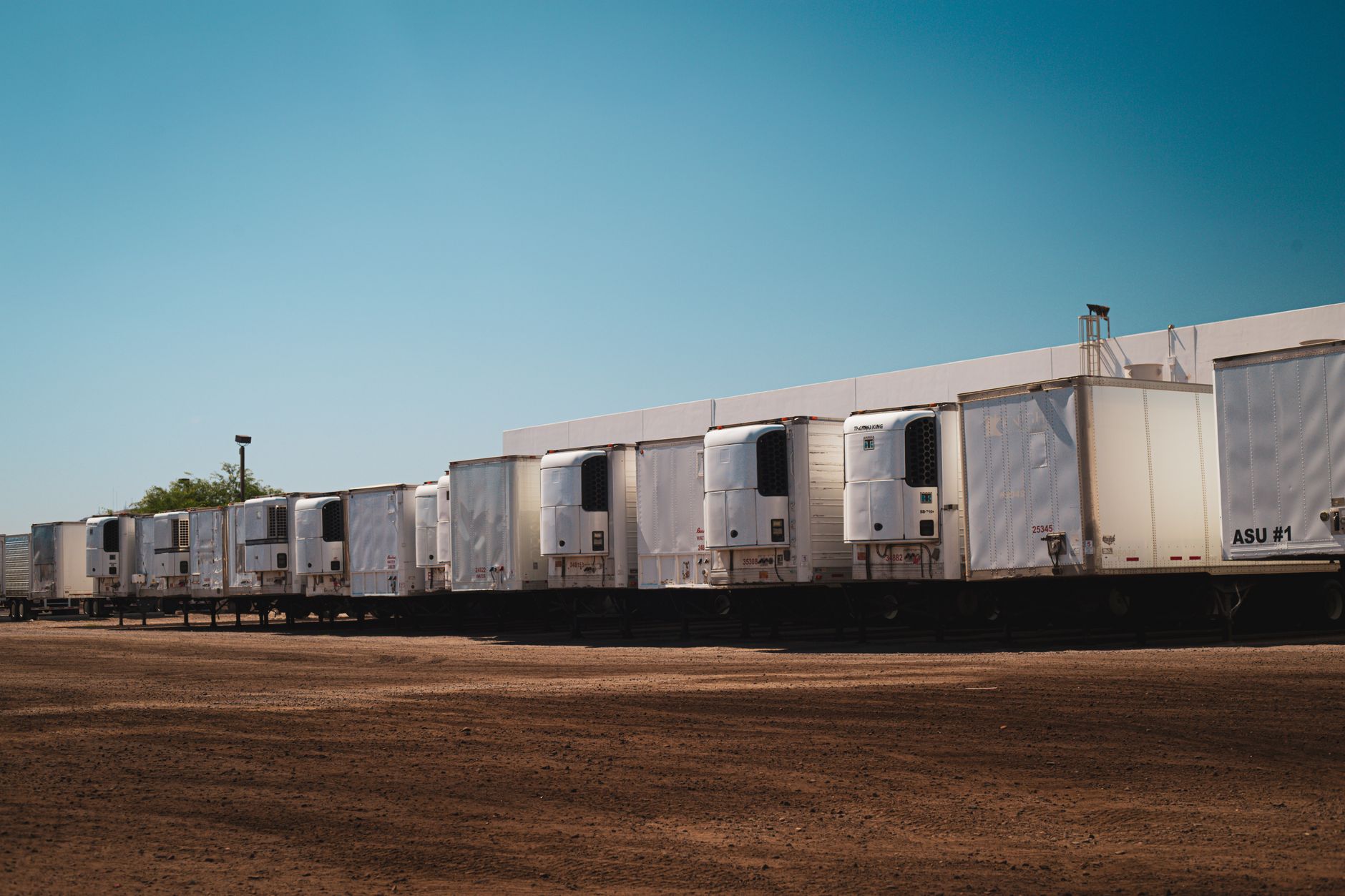
Fresh Product, Slow Final Mile
Store-level customization had become the drag point. A European pork-processing and fulfillment center sent packed products pallet by pallet to a supermarket warehouse, where store-specific picking could consume up to a day before the goods moved onward.
That delay spent valuable shelf life inside the distribution chain. The operating brief was demanding: move from a 48-hour customized-order cycle toward same-day delivery while still applying the correct label, price format, and destination sort for each supermarket.
- Preserve flexibility for customized store orders.
- Apply store-specific labels without tying production to final demand.
- Prepare destination-ready crates for cross-docking instead of warehouse storage.
Decouple Production From Destination Picking
The design separated production from fulfillment. Generic packed products entered an intermediate buffer without store labels, and order data later triggered retrieval of the precise mix needed for each destination.
After unloading, packs moved through store-specific labeling and into four robotic order-picking cells. The cells placed the labeled packs into reusable destination crates, which were then palletized manually and sent to the customer depot for cross-docking.
The published account does not describe a formal selection scorecard, phased rollout, operator training program, or service contract. Those details remain undisclosed, so this case study makes no claim about them.
- Hold generic packed stock in a temporary buffer.
- Release products against the incoming customized order.
- Apply the required supermarket label and pricing format.
- Pick labeled packs into destination crates with four robotic cells.
- Palletize the crates and dispatch them for cross-docking.
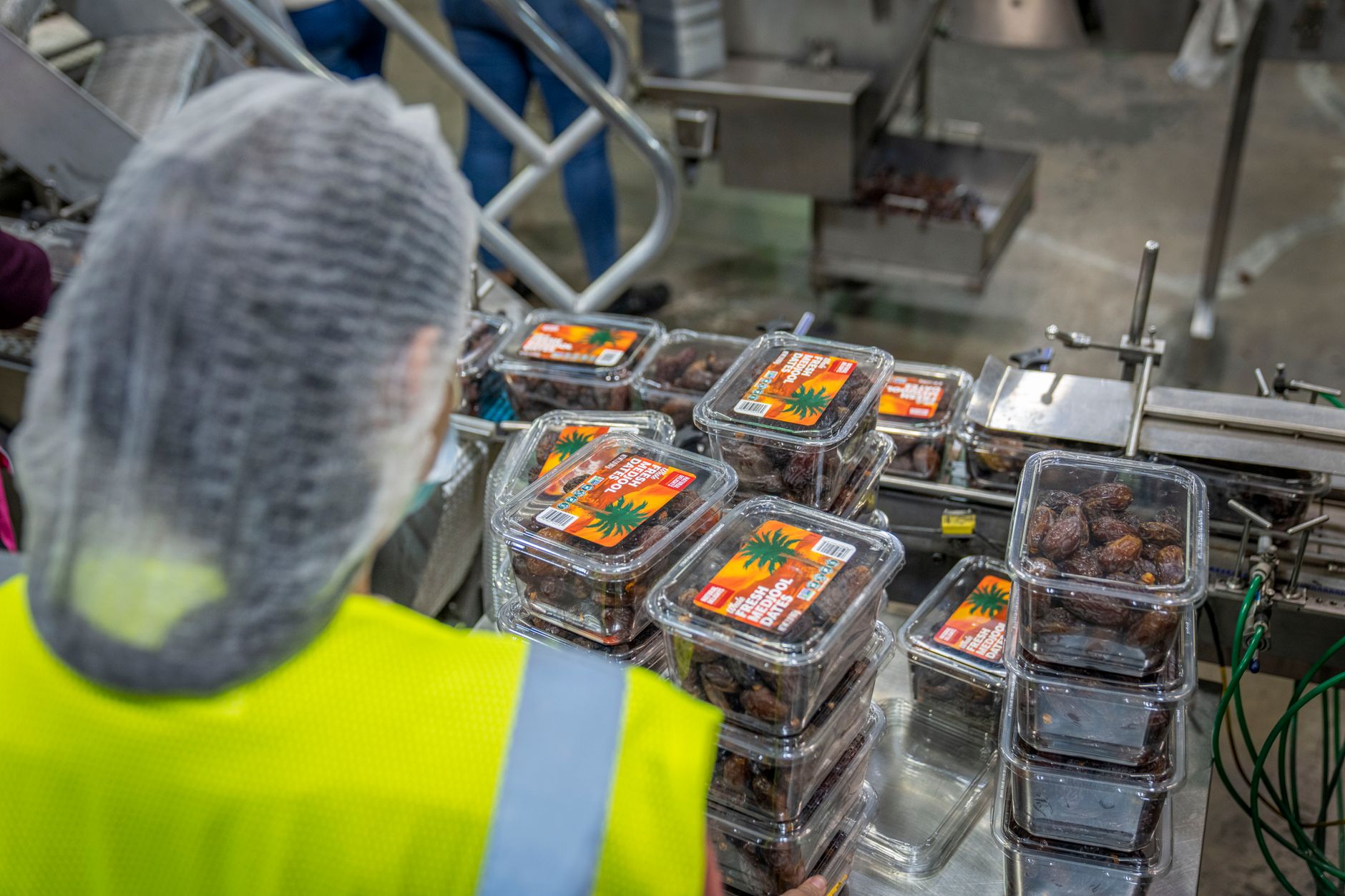
Less Waiting, More Sellable Life
Moving store-level picking and labeling upstream cut order-to-delivery lead time by 50%. The faster flow increased product shelf life by 20%, giving supermarkets more time to sell fresh packs before their maximum life span.
The architecture also lifted machinery utilization by 30 to 50%. By postponing final labeling until demand was known, a European pork-processing and fulfillment center could keep production less constrained by destination-specific orders while still shipping pre-sorted, pre-labeled goods.
The result was not automation for its own sake. It was tighter custody of freshness, a faster cross-dock handoff, and greater responsiveness to customized orders, with manual palletizing retained at the end of the cell.
The U.S. Deployment Lesson
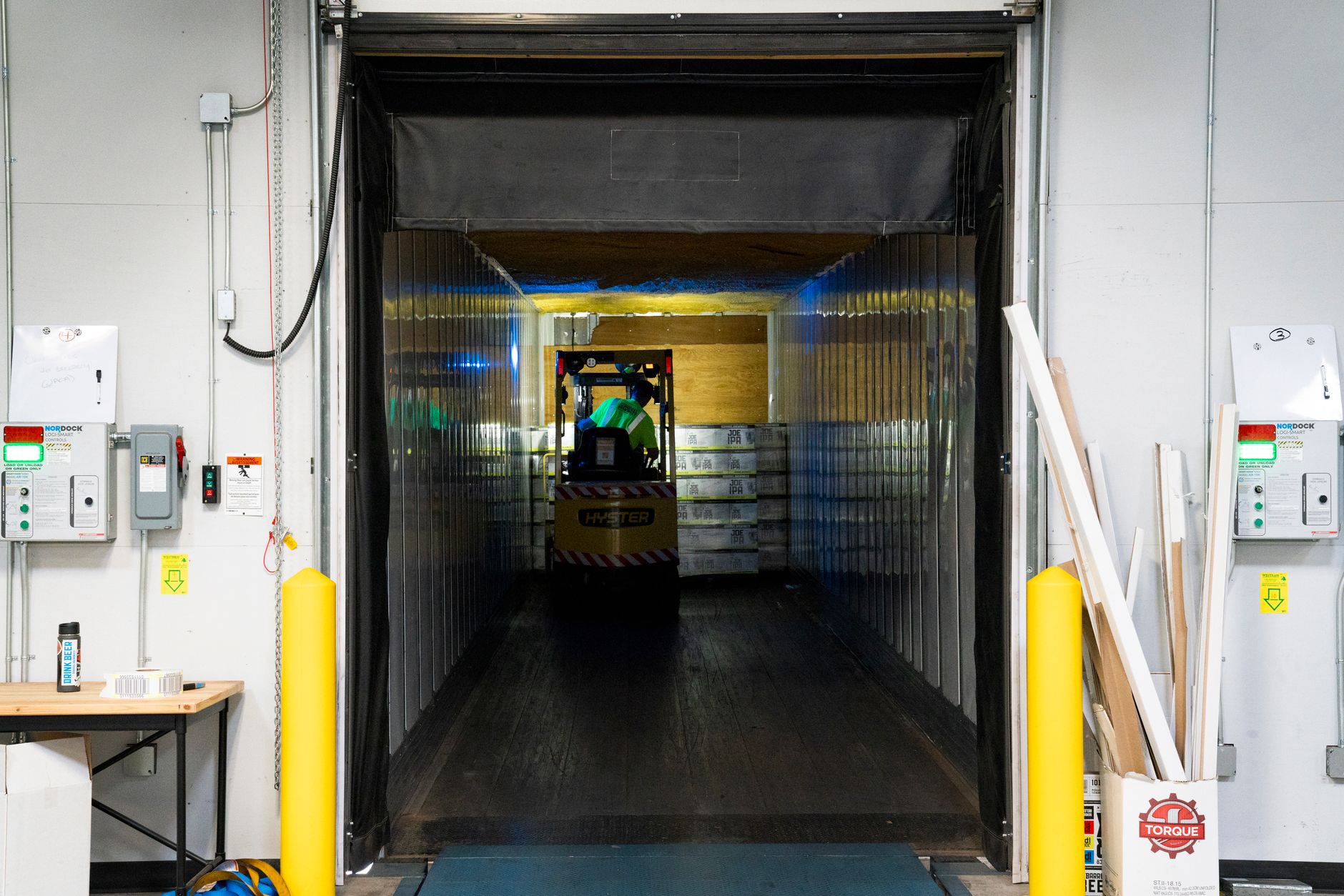
This documented example was not deployed by Service Robot Co. It shows why robotic order picking is an integration problem before it is a robot purchase: order data, temporary storage, labeling, conveyors, crate presentation, safety, and the cross-dock schedule must function as a coordinated operating system.
For U.S. businesses, Service Robot Co. serves as a full-service, OEM-neutral commercial robot integrator. As a vendor neutral robot integrator, the company selects equipment across manufacturers, arranges financing, handles robot deployment and integration, trains teams, and services every unit through a nationwide U.S. engineer network.
That lifecycle model gives buyers an accountable vendor from site assessment mapping through go-live support. Procurement can be structured through warehouse robot leasing for business, while a robot maintenance service plan keeps support attached to the deployed equipment.