a powdered-metal components plant automating compact-press handling
How a Powdered-Metal Plant Cut Press Scrap From 7% to 0.5%
A powdered-metal plant used robotic press tending with gentle grippers to cut green-compact scrap from seven percent to half a percent and later quadrupled output.
- 0.5%
- Scrap rate
- 7%
- Manual scrap
- 4x
- Volume
- 11%
- Fragile part
Based on a documented real-world deployment. Figures are from public reporting; the organization is not named.
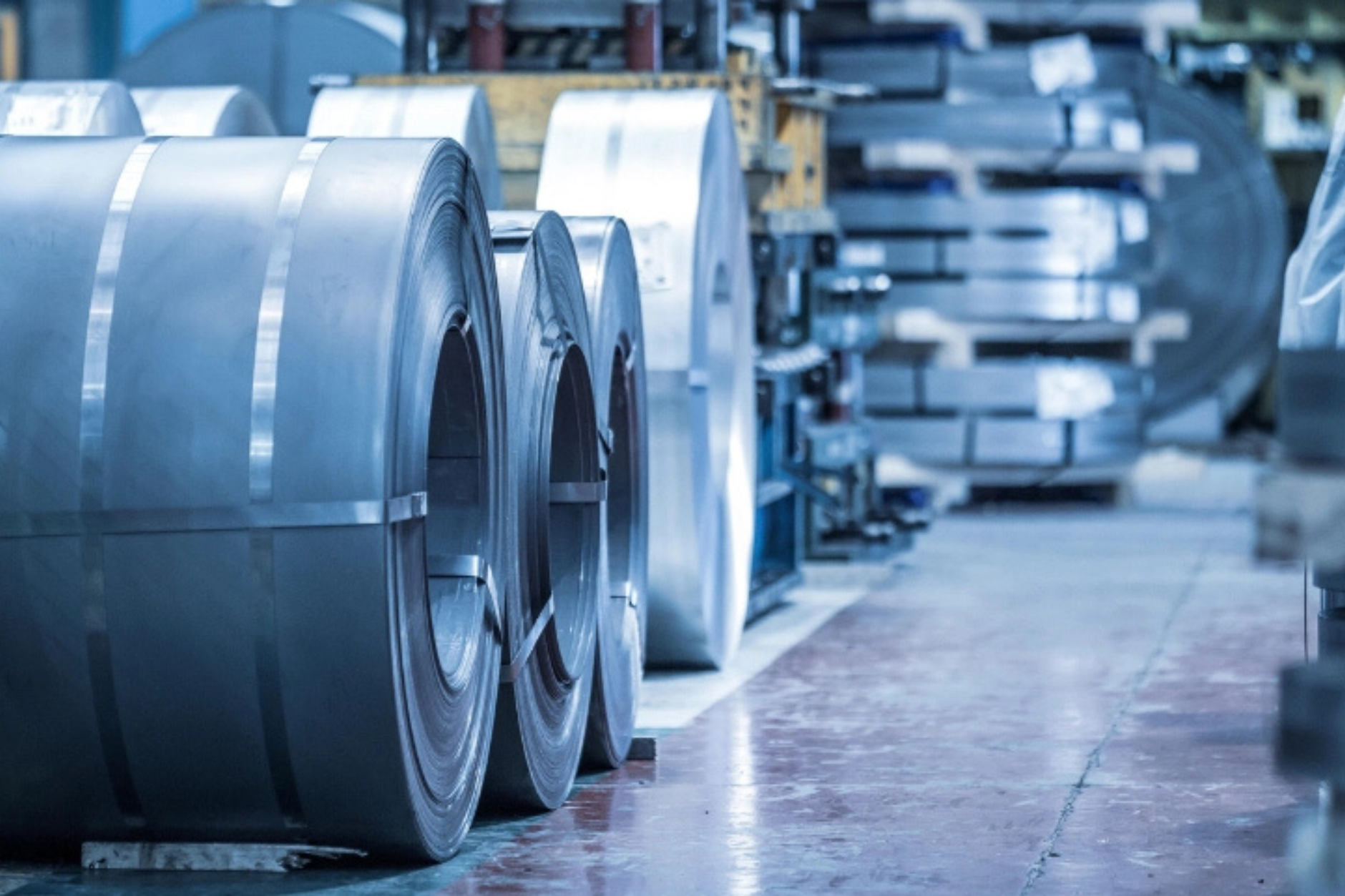
Green compacts crumbled under manual unload
A powdered-metal components plant automating compact-press handling faced a tightening labor market and parts too fragile for routine hand tending. Green compacts straight from the press can crumble with the lightest touch, then fail after hours in the sintering furnace.
Manual unload on some lines drove scrap near seven percent on less fragile families, while an especially delicate part ran near eleven percent. Leaders needed repeatable handling before they could scale new automotive and transmission work.
- Hard to hire press tenders
- Fragile teeth and keyways after compacting
- Scrap showed up only after furnace cycles
Robotic cells with magnetic grippers and weigh checks
The plant started with a used six axis press tending cell and an electric magnetic gripper tuned for gentle picks. Each compact was lifted, weighed to catch hidden deformation, then placed on a conveyor toward the furnace.
After the first fragile SKU stabilized, engineers replicated the same unload, verify, and transfer sequence across additional compact presses. Furnace loading and downstream palletizing followed on a measured timeline.
- Program gentle pick paths off each press
- Weigh every compact before furnace feed
- Copy proven cells to neighboring presses
- Automate tray load and pallet layering later
Scrap fell to half a percent and volume quadrupled
On the initial fragile product, scrap dropped from eleven percent under manual tending to about half a percent with robots. On additional product families that had been near seven percent, scrap reached the same half percent level once robotic cells owned the handoffs.
Over roughly a decade the site grew output to about four times its earlier volume while headcount stayed flat. Press tenders moved to less repetitive roles as more compact lines gained automated unload.
What powdered-metal plants can take from this
Sintered parts punish any crush during green handling. A vendor neutral integrator can pair press tending robots with the right gripper and in line checks, then finance, deploy, and service them through a nationwide network of regional service engineers.
Month to month robot lease or pilot runs let you prove one press cell before you replicate across a compacting row. Service Robot Co. maps cycle time, trains supervisors, and keeps one partner for integration and emergency dispatch.