
a power utility inspecting three one-million-gallon fuel-oil tanks
Fuel-Oil Tank Robots Eliminate Nearly 800 Entry Hours
See how submersible robots inspected three one-million-gallon fuel-oil tanks in under four days, avoiding nearly 800 confined-space entry hours.
- ~800 hrs
- Confined-space entry avoided
- <4 days
- All tank inspections completed
- 3 tanks
- Fuel-oil assets inspected
- ~6 tons
- CO2 emissions avoided
Based on a documented real-world deployment. Figures are from public reporting; the organization is not named.
The Inspection Burden Behind the Tank Wall
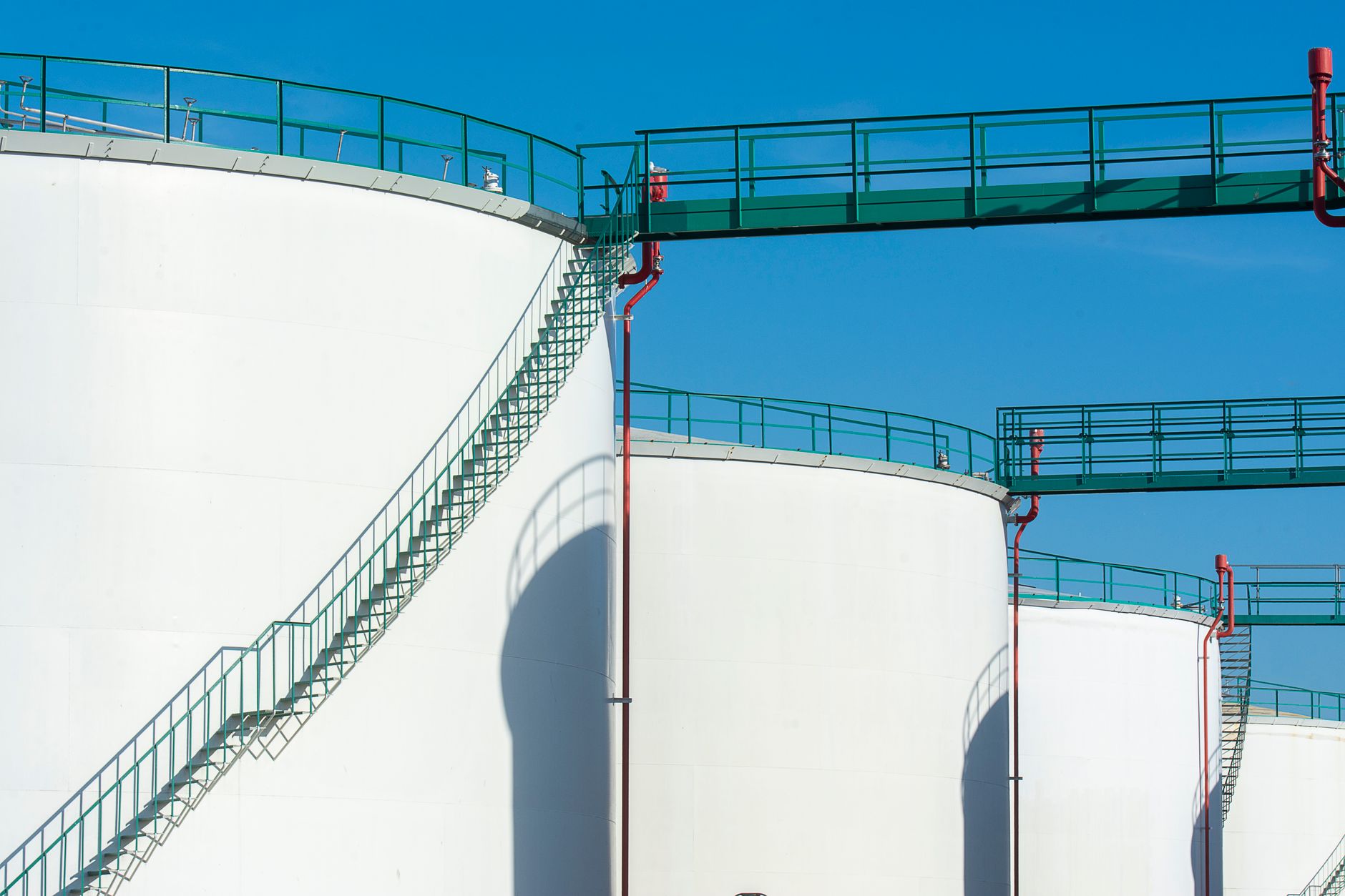
For a power utility inspecting three one-million-gallon fuel-oil tanks, conventional internal inspection posed a knot of safety, scheduling, and operational constraints. Confined-space entry would expose personnel to a hazardous environment, while taking the assets offline would impose weeks of downtime.
The burden extended far beyond the people entering the tanks. The published account attributes thousands of project-management hours to the conventional workflow, revealing how permits, coordination, outage planning, and inspection logistics can consume organizational capacity.
- Reduce personnel exposure inside confined spaces
- Preserve tank availability during inspection work
- Gather useful condition data without a prolonged shutdown
- Contain the project-management burden surrounding conventional entry
An In-Service Inspection Series
The utility introduced autonomous submersible inspection through a defined series covering the three tanks at a single facility. Each tank held about one million gallons of fuel oil, making continued availability a central operational consideration.
The robots assessed tank conditions while the assets remained in operation. High-definition cameras, sensors, and ultrasonic imaging created a combined view of tank condition, replacing an entry-heavy inspection process with remote data collection.
The source does not describe operator training, financing, or a continuing service arrangement for this deployment. Those elements should therefore be treated as buyer-side planning requirements, not documented features of the project.
- Select a submersible inspection platform suited to the tank contents and operating conditions
- Scope the work as a bounded inspection series across the facility
- Collect visual, sensor, and ultrasonic data with the tanks operating
- Use the combined findings to inform maintenance and repair decisions
Exposure and Downtime Taken Out
All three fuel-oil tanks were inspected in less than four days. The robotic method avoided weeks of downtime and eliminated thousands of project-management hours associated with the conventional inspection route.
The clearest safety result was nearly 800 confined-space entry hours saved. The project also avoided roughly six tons of CO2 emissions by sidestepping the emission-producing work associated with taking the tanks out of service.
These figures describe this documented inspection series, not a universal guarantee. Their weight comes from the combination of faster execution, retained asset availability, lower personnel exposure, and reduced emissions within the same project.
From Published Result to Deployment Decision
This is not a Service Robot Co. client story, and Service Robot Co. did not conduct the deployment. It is a documented real-world example that shows what submersible inspection can achieve when the asset, operating environment, and inspection method are properly matched.
For operators evaluating inspection robot leasing, robot leasing for business, or purchase or lease, Service Robot Co. serves as a full-service, OEM-neutral commercial robot integrator. We select equipment across manufacturers, then finance, deploy, integrate, train, and service it through a nationwide US engineer network.
That lifecycle coverage matters in specialized inspection work. A vendor neutral robot integrator can connect platform selection, robot deployment and integration, operator preparation, and continuing robot maintenance service under a single accountable relationship.