
an 800,000-square-foot U.S. powertrain-components plant
Powertrain Plant Reassigns Six Workers and Reaches ROI Within a Year
Six cart-transport AMRs helped a powertrain plant reassign six workers to production and achieve ROI within a year across 800,000 square feet.
- 6
- workers reassigned
- ≤1 year
- ROI achieved
- 6 months
- all lines covered
- 60%
- time pushing carts
Based on a documented real-world deployment. Figures are from public reporting; the organization is not named.
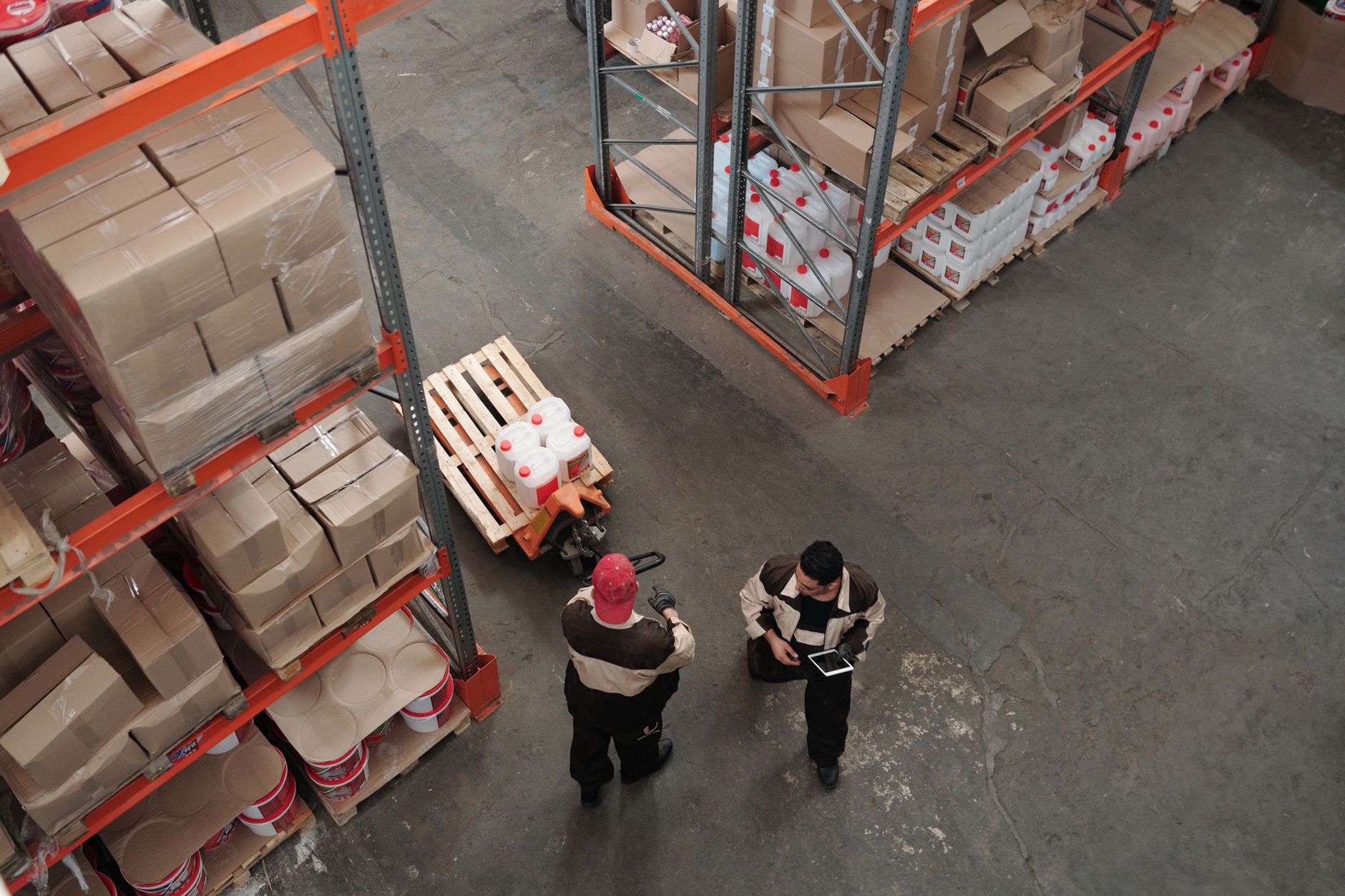
Material movement was consuming skilled labor
Inside an 800,000-square-foot U.S. powertrain-components plant, employees were walking up to 12 miles per day to move material between the warehouse and production. About 60% of their time went into pushing carts rather than producing components.
The work was costly in another sense. It tied available employees to repetitive conveyance while value-added production positions remained open. Narrow aisles, heavy metal parts and frequently changing routes also made fixed-path automation a poor fit for the plant's operating environment.
- Employees walked up to 12 miles per day while transporting material.
- About 60% of their time was spent pushing carts.
- The routes included narrow aisles, heavy loads and layouts that could change.
A pilot established the route to wider deployment
The plant began with a robot pilot program linking warehouse and production areas. Engineers tested competing AMRs and favored a platform that was easy to map, quick to reconfigure and capable of exchanging data through an application programming interface.
Initial setup was completed in one day. After about a week of testing, the cart-transport AMRs entered production, and the pilot subsequently expanded into direct line-side component delivery.
- Map the operating area and validate cart movement between the warehouse and production.
- Train employees onsite for one week, including personnel prepared to become long-term super-users.
- Connect delivery timing, charging priorities, proximity cues and employee calls through the plant's information flow.
- Expand the AMR fleet deployment after the pilot proves reliable under live production conditions.
Six employees returned to production work
Within six months of launch, six AMRs were covering all lines in the documented ignition-plant area. The plant reassigned six employees from cart pushing to value-added production roles. This was labor reallocation, not a reported workforce reduction.
The published case attributes ROI in one year or less to lower indirect conveyance costs. It also reports better employee morale, ergonomics and overall efficiency, although those improvements were not quantified.

The integrator's job extends beyond selecting a robot
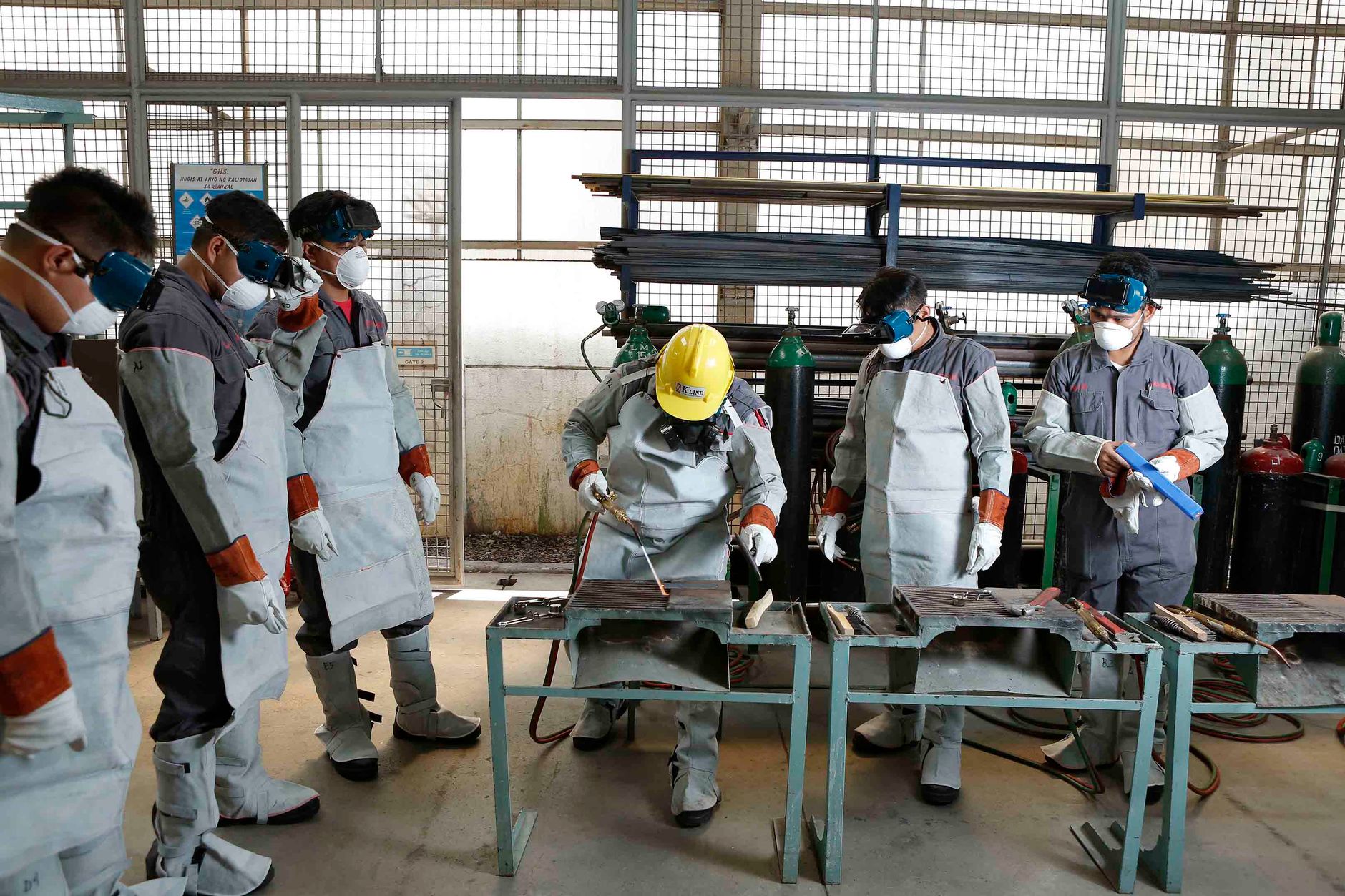
This is a documented third-party deployment analyzed by Service Robot Co., not a project Service Robot Co. performed. Its lesson is still useful: repetitive transport automation succeeds when robot selection, cart design, mapping, workflow integration, employee training and service are treated as one operating system.
Service Robot Co. is a full-service, vendor neutral robot integrator for U.S. businesses. We select the right equipment across manufacturers, then manage financing, robot deployment and integration, training and ongoing service through a nationwide U.S. engineer network. One vendor carries the lifecycle.
For a manufacturing plant robot lease or purchase, that model gives buyers room to compare autonomous mobile robot leasing, robot leasing for business, monthly payment programs and leasing structures against the operation's own return model. It also keeps site assessment, mapping and the robot maintenance service plan under the same accountable partner.