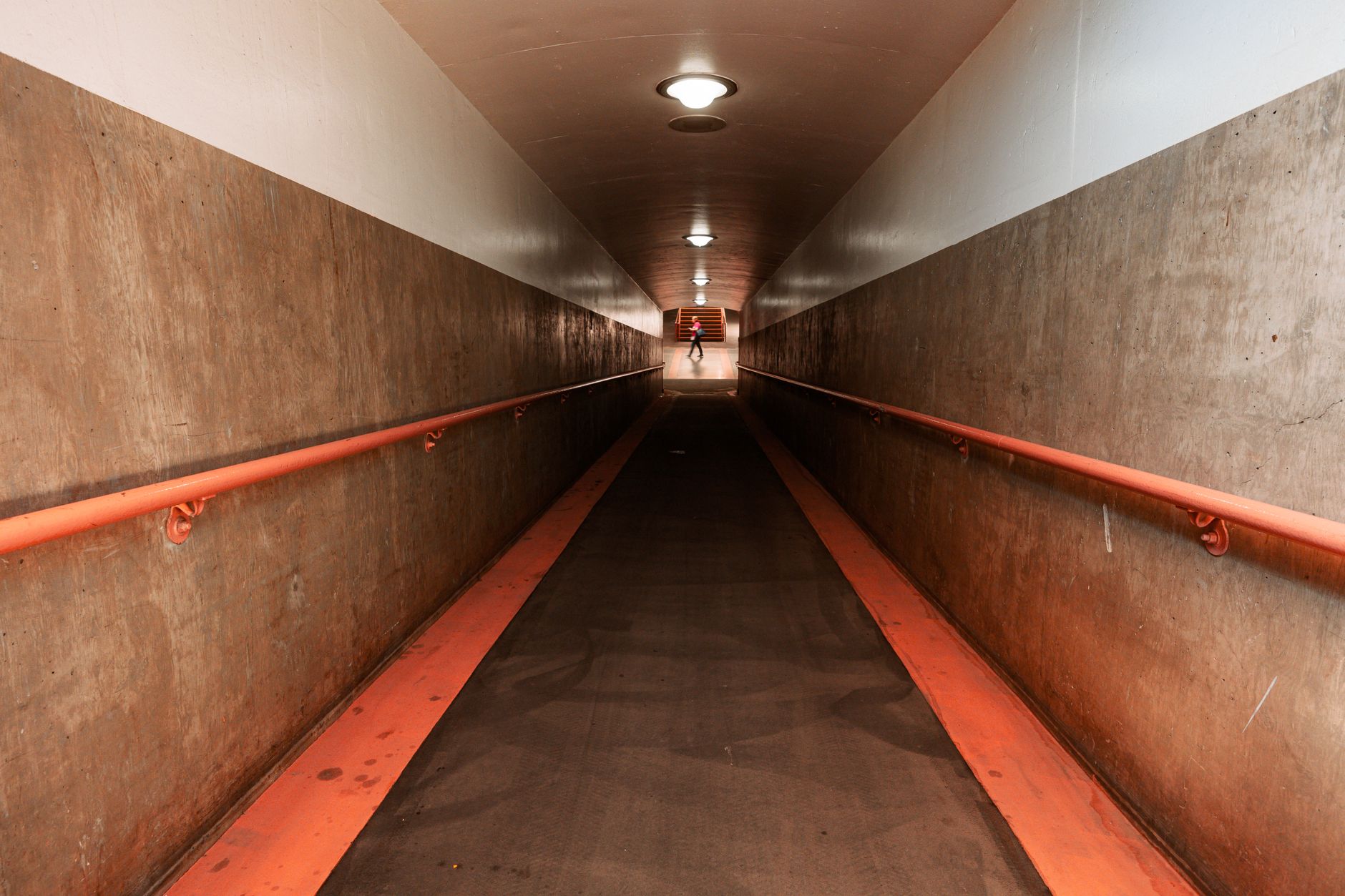
a precision engineering factory in Central Europe
How a Precision Factory Cut 15 Kilometers of Daily Crate Walking With Five AMRs
A Central European precision plant replaced hand-carried crate runs with five AMRs moving 200+ KLTs daily, cutting up to 15 km of walking and 50 trips per robot per shift.
- 15 km
- walking cut
- 200+
- crates daily
- 5
- AMRs live
- 5000 m²
- coverage
Based on a documented real-world deployment. Figures are from public reporting; the organization is not named.
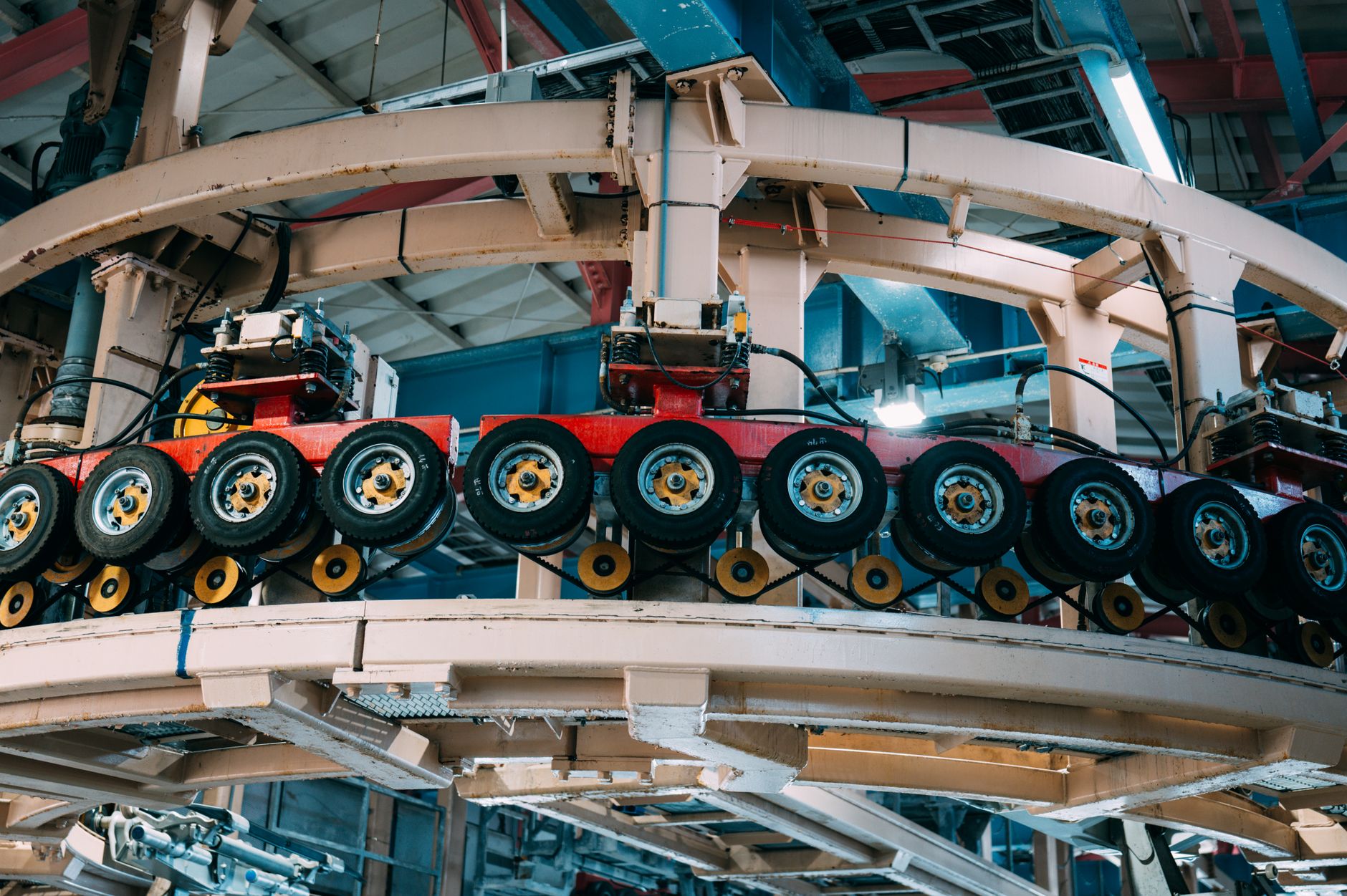
Hand-carried crates ate the shift
A precision engineering factory in Central Europe moves delicate parts in small load carriers between automated shelving and production cells. Before automation, employees walked up to fifteen kilometers per shift and made dozens of trips hauling crates by hand.
Some workers logged about fifty cart moves in a single shift just to keep lines fed. The walking added fatigue, slowed throughput, and increased the chance of mis-deliveries when rush orders stacked up.
Leadership wanted material flow that could scale without hiring another wave of runners every time output climbed. The floor plan already used vertical storage, so the fix had to connect shelves, stackers, and production without ripping out the building.
- Up to fifteen kilometers of manual walking per employee per shift
- About fifty hand moves per shift on the busiest routes
- Delicate parts required careful handling on every crate trip
Five AMRs linked shelving, stackers, and ERP
An integrator deployed five autonomous mobile robots across roughly five thousand square meters of production and storage. Automated shelving dispenses crates to a stacker that builds trains of up to four carriers, then AMRs pick up the stack for delivery to workstations.
Finished goods return on the same loop through a destacker that separates crates for storage. Orders flow from MES and ERP so material requests trigger at the bench instead of over radio calls to a runner.
Supervisors trained on exception handling while operators kept ordering parts from their stations. The layout stayed familiar, only the walking leg dropped out of the middle.
- Five AMRs cover storage and production across five thousand square meters
- Stacker and destacker handle up to four crates per autonomous move
- MES and ERP integration for traceable material requests

Hundreds of crate moves run without daily marathons
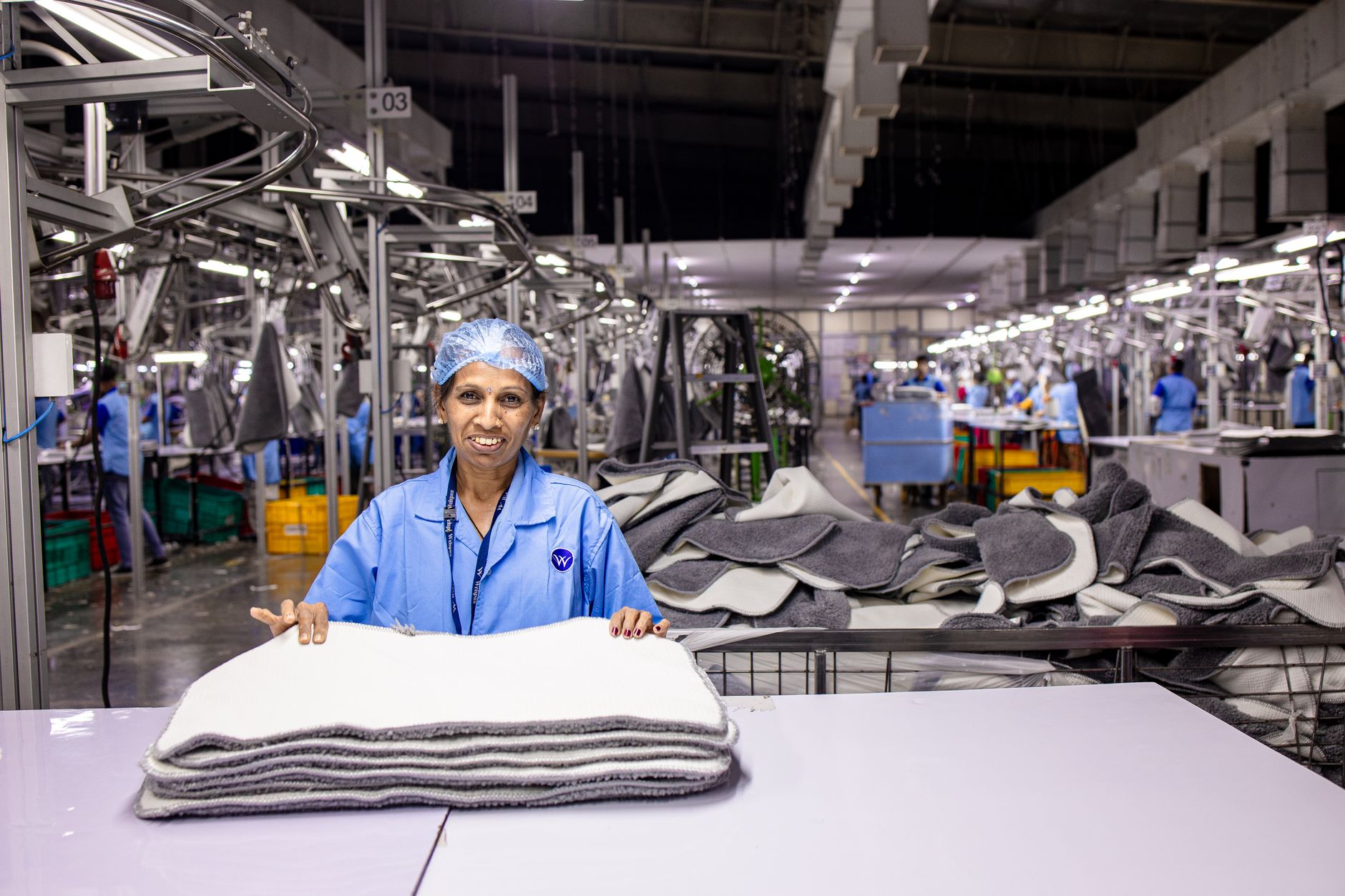
The site now transports more than two hundred crates automatically each day. Each robot can run about fifty trips per shift, eliminating up to fifteen kilometers of manual walking daily across the fleet.
Employees focus on value-added assembly and inspection instead of pacing the same aisle fifty times. Material flow is faster, easier to trace, and less physically punishing on busy weeks.
Managers describe the system as scalable: more production cells can call for crates without adding another full-time walker for every line.
What US precision plants can borrow from this crate loop
Machine shops and electronics plants in the US run the same KLT shuffle between tool cages and cells. AMR rental on one loop proves trip counts before you wire every aisle into a fleet dashboard.
Service Robot Co. compares cart-towing AMRs and goods-to-person options across vendors, then finances, integrates, and services units nationwide. Month to month warehouse robot rental fits launch builds when headcount is frozen but output targets rise.
Pair robots with your existing shelving or vertical lift modules when possible. The win here came from automating the walk between storage and bench, not from rebuilding the whole factory in one quarter.