a precision sheet-metal manufacturer running factory cleaning at the start and end of shifts
Factory Cleaning Case Study: Shift-Change Labor and Time Cut in Half
A precision sheet-metal manufacturer cut morning and evening cleaning labor and time by half with a robot vacuum in a metal-dust factory.
- 50%
- Less cleaning labor
- 50%
- Less cleaning time
- 30
- Employees in prior routine
- 1 pass
- Dust removal without rewiping
Based on a documented real-world deployment. Figures are from public reporting; the organization is not named.
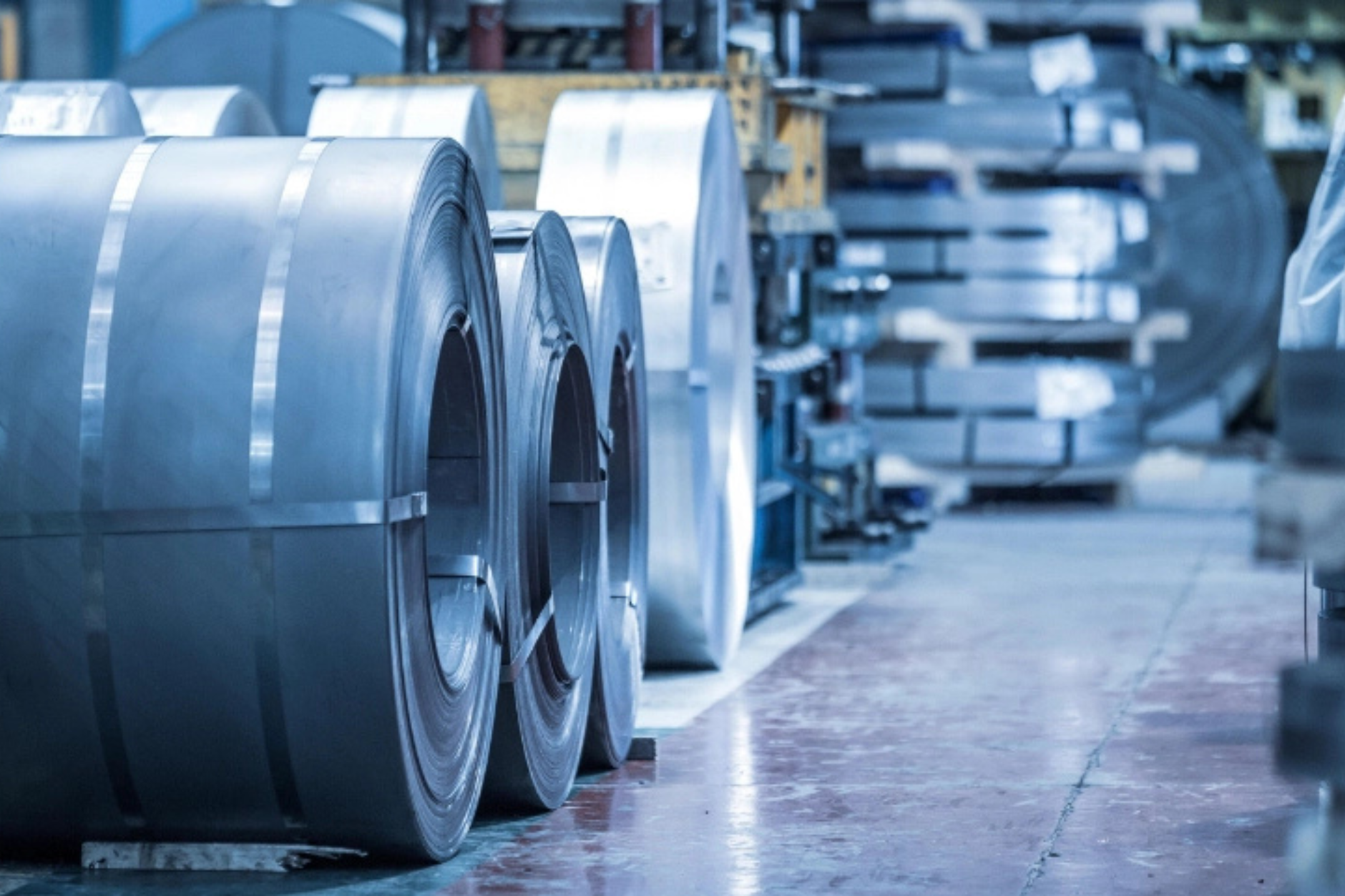
A factory floor that punishes weak cleaning
This operation had a familiar fabrication problem. Fine metal dust collected on the floor, dulled the surface, and made ordinary cleaning more cumbersome than it looked from a distance. The mess was not just cosmetic. It changed the pace and feel of the shift handoff.
Before the robot vacuum was introduced, about 30 employees cleaned for 10 minutes in the morning and another 10 minutes in the evening. Aisles were especially troublesome because removing metal dust often meant wet wiping first and dry wiping after, which turned a simple task into a repeat task.
The pressure point was routine discipline. Cleaning had to happen twice a day, across a live production setting, and in an environment where dust kept returning. That is exactly the kind of floor where an autonomous vacuum robot rental or commercial cleaning robot rental has to prove itself in plain operational terms.
- Metal dust had to be removed efficiently from factory walkways
- Morning and evening cleaning time had to be carved out across the workforce
- Aisle cleaning could require wet wiping and then dry wiping
- Shift routines carried extra friction because cleaning touched everyone
A practical rollout built around the floor, not a demo
The site began with a trial rather than a wholesale change. During roughly the first week, the team tested routes, adjusted sensor sensitivity, and learned how the machine behaved in a real fabrication environment. That mattered. A metalworking floor is not forgiving, and the machine had to earn trust under actual conditions.
Onboarding was handled remotely, with instruction on operation, route creation, and daily maintenance delivered online. The manufacturing lead said the controls were simple enough to grasp through that format, then passed the know-how to other staff after a week of hands-on use.
In steady operation, the robot vacuum ran through 2 routes, with each route cleaned 2 to 3 times. Two employees were assigned day-to-day responsibility, while the rest of the workforce no longer had to build aisle cleaning into every shift boundary. It is a good example of phased deployment no shutdown, which is the pattern many manufacturing plant robot rental projects need.
- Start with a trial on the live factory floor
- Test routes and sensor settings during the first week
- Train operators on use, routes, and maintenance through remote support
- Assign 2 internal owners for daily operation
- Run 2 cleaning routes and repeat each route 2 to 3 times
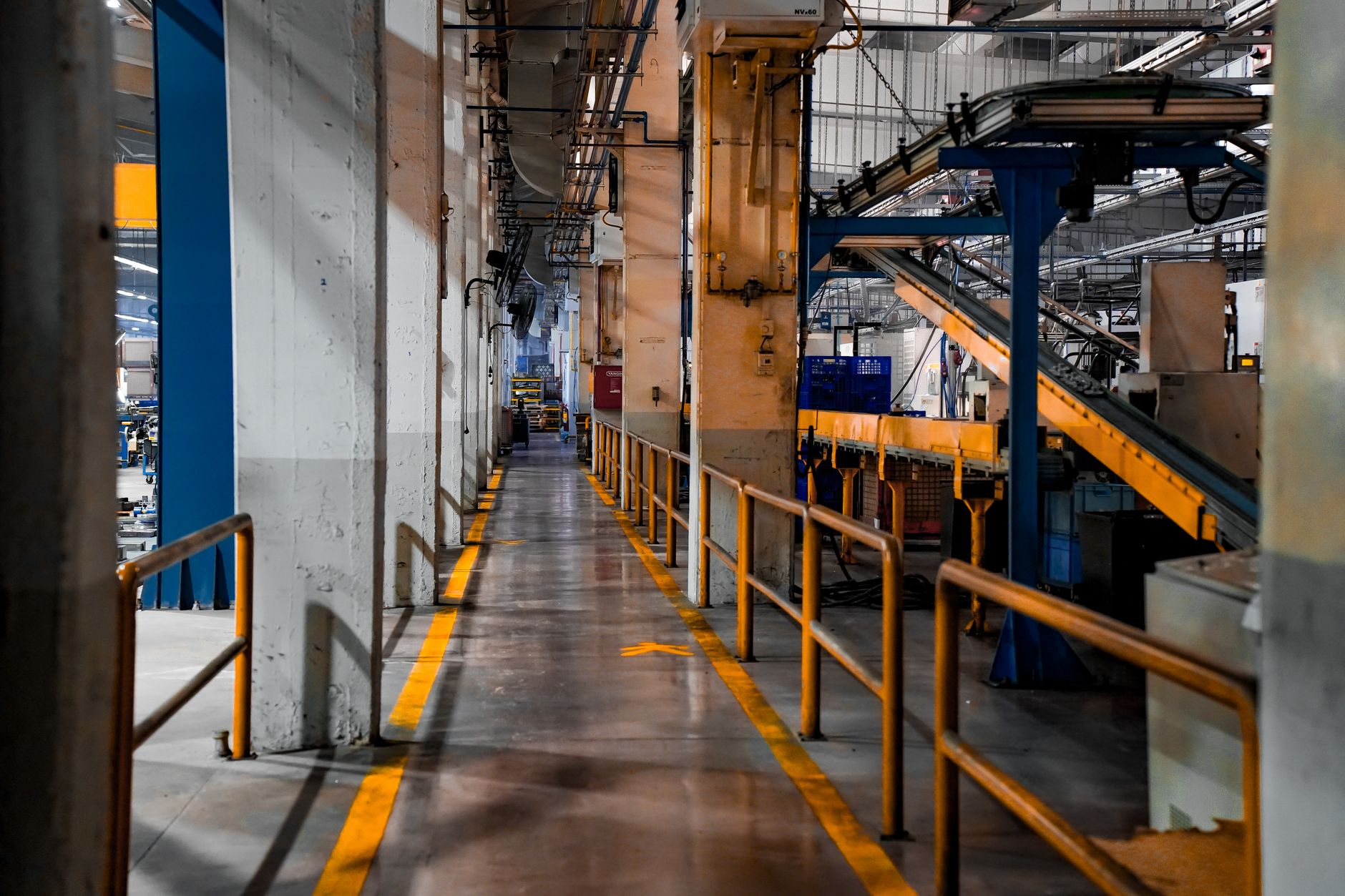
Half the labor, half the time, and a cleaner operating rhythm
The headline outcome was direct and measurable. Morning and evening cleaning labor was cut by half, and the cleaning time itself was also cut by half. Employees who had previously covered aisle areas no longer needed to clean those walkways, and individual workspaces took about half the time they had before.
Just as important, the robot vacuum handled metal dust in one pass where the old method often required wet wiping and then dry wiping. The manufacturing lead described the floor as visibly cleaner after the robot was introduced, with stronger dust pickup and less effort tied up in rework.
There was also a secondary operating benefit. Because items left in aisles could trigger errors, the team became more disciplined about keeping walkways clear. That improved housekeeping habits, reduced clutter in traffic lanes, and made the cleaning routine easier to sustain day after day.
What this means for U.S. manufacturers evaluating robotic cleaning
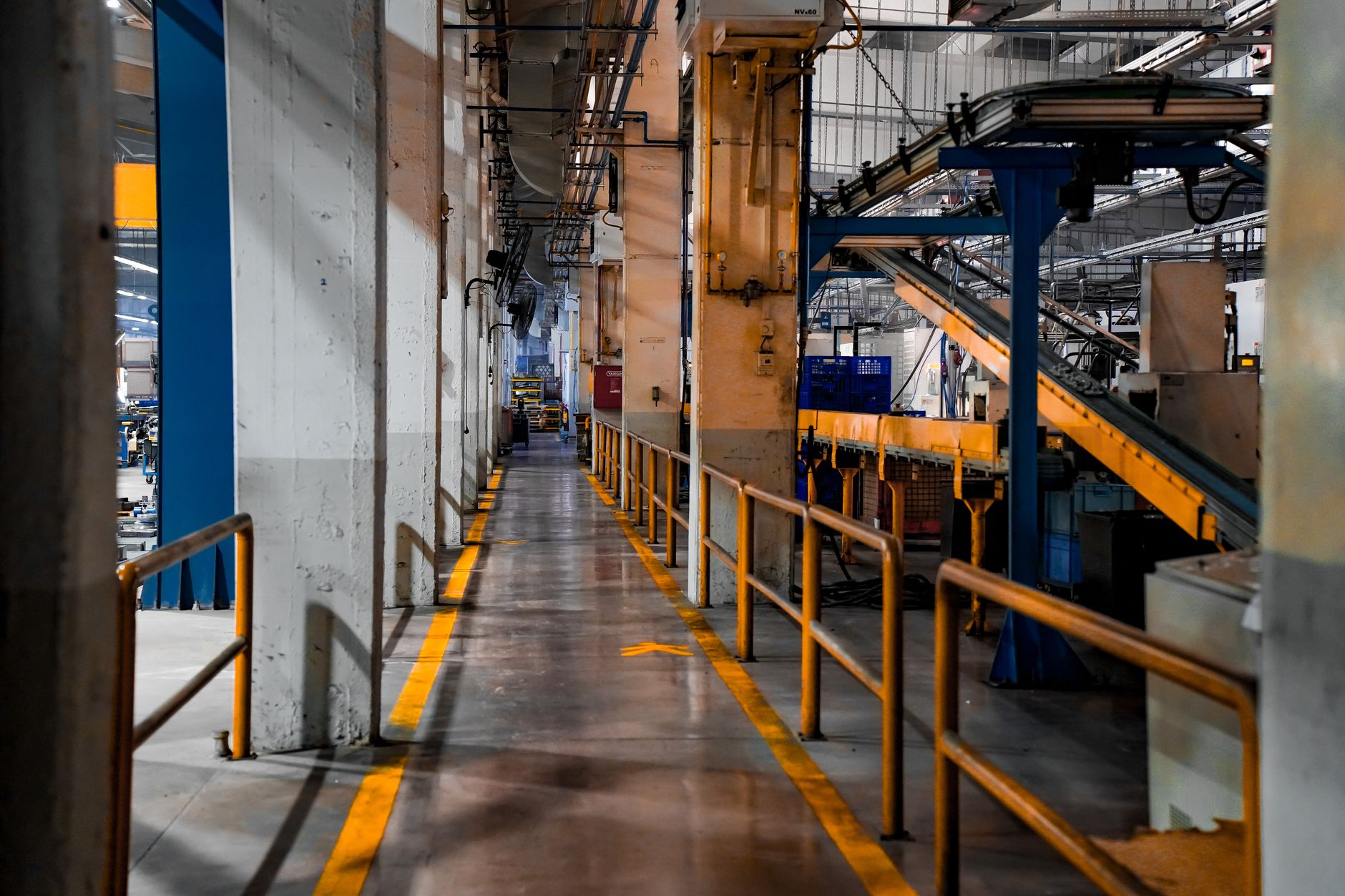
This case is not a claimed Service Robot Co. deployment. It is a documented example of a precision sheet-metal manufacturer showing that robotic cleaning can hold up in a harsh, metal-dust environment and still produce a simple business result: half the labor and half the time at the start and end of shifts.
For U.S. operators, the broader lesson is about execution. Service Robot Co. acts as a vendor neutral robot integrator that selects the right robot across manufacturers, finances the project, deploys it on a phased timeline, integrates it with site routines, trains the team, and services the unit through a nationwide U.S. field network. On its first-party materials, the company states coverage in all 50 states, 24 by 7 emergency response, 10-minute remote triage, and 3,000-plus service engineers in the U.S.
That matters when a buyer is comparing a commercial cleaning robot rental, robot leasing for business, or a lease rental or sale structure against doing nothing. In manufacturing, the machine is only part of the job. The harder part is choosing the robot that fits your floor, getting it live without disrupting production, and having one partner one number when service is needed.