a precision injection-molding plant serving regulated industries
How a Precision Plastics Plant Reached 99.995% Robot Availability
A regulated-industry molder used synchronized injection-molding robots for touch-free fan parts and reported 99.995 percent robot availability with camera inspection.
- 99.995%
- Availability
- 2
- Robot team
- 1.2 mm
- Shaft size
- 4
- Fans/cycle
Based on a documented real-world deployment. Figures are from public reporting; the organization is not named.
Micro parts that hands cannot touch
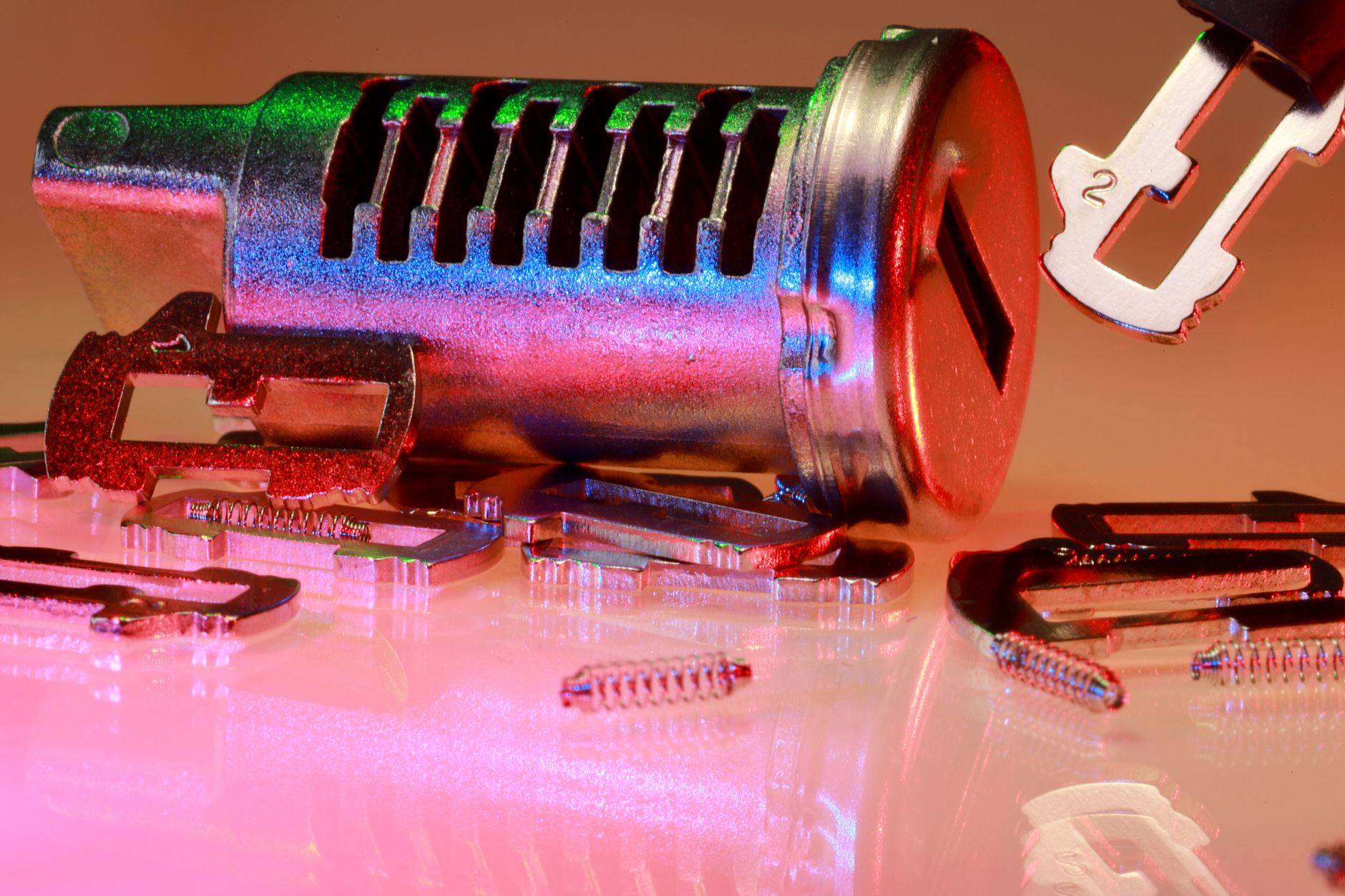
The plant molded tiny fan components for ventilation applications where human contact risked corrosion and gloved fingers could not grip shafts barely over a millimeter wide. Manual removal, camera inspection, and tray loading had to stay touch free while cycle times stayed short.
Linear gantry automation could not meet the motion and precision mix, so leaders needed a synchronized robot cell tied to the injection press.
- Shafts about 1.2 mm diameter and 1.5 cm long
- Four molded fans per shot
- Camera inspection before tray placement
Synchronized six-axis robots on the press
One six-axis robot fed four shafts into the mold with laser guided positioning, removed the four molded fans after injection, and handed them to an inspection station. A second small six-axis robot picked vetted parts from inspection and placed them on palletized trays without human touch.
Integrators synchronized both robots to the press cycle so loading, molding, inspection, and tray placement stayed inside the required takt.
- Laser measure shaft position before mold load
- Camera inspect each fan after demold
- Second robot tray stack without hand contact
Near perfect uptime with steady quality
The documented cell reported robot availability of 99.995 percent while holding reproducible quality on the micro fan components. Productivity rose markedly versus the prior manual approach, with process steps humans could not perform reliably now running every cycle.
Leadership treated the cell as a pilot for similar regulated molding tasks on other lines.
What medical and industrial molders can expect
This is a documented real-world example, not a Service Robot Co. deployment. It shows why precision molders look at injection-molding automation when parts are too small or sensitive for manual demold and inspection.
Service Robot Co. is a vendor-neutral integrator that selects press-tending and small-part robots across manufacturers, then finances, deploys, integrates, trains, and services them through a nationwide engineer network.
A robot rental or pilot on one cavity group can prove tray placement and vision checks before you scale to additional presses.