a US producer and co-manufacturer of refrigerated Indian meals
How an Indian Meal Producer Cut Food Giveaway 67% and Tripled Output
A refrigerated Indian meal co-manufacturer added robotic depositing at a new plant, cut overportioning 67%, and raised output two to three times within one year.
- 67%
- Less giveaway
- 2-3x
- Output
- 1 yr
- To results
- Labor
- Eased gap
Based on a documented real-world deployment. Figures are from public reporting; the organization is not named.

Manual portioning bled product and people
A US producer and co-manufacturer of refrigerated Indian meals planned a greenfield plant with a new conveyor layout. Curry and rice deposits had to stay consistent for retail and foodservice buyers while staffing stayed hard to hold on repetitive scoop work.
Overportioning quietly raised food cost on every tray. Leaders needed depositing that could run multiple shifts without adding proportional headcount on the line.
- Inconsistent manual scoops on saucy entrees
- Labor shortage pressure on portioning stations
- Need to scale output at the new facility
Robotic depositing on a new conveyor line
The company onboarded robotic food depositing cells alongside the new conveyor system at the greenfield site. Integration partners tuned tooling for curry style products that behave differently than dry ingredients.
Operators shifted from constant scooping to supervising cells, changeovers, and quality checks. The layout was designed so robots could run steadily across shifts as volume grew.
- Commissioned depositing robots with the new conveyor
- Customized tooling for curry and meal components
- Trained staff to supervise instead of hand portion
- Phased ramp as the plant reached target rates
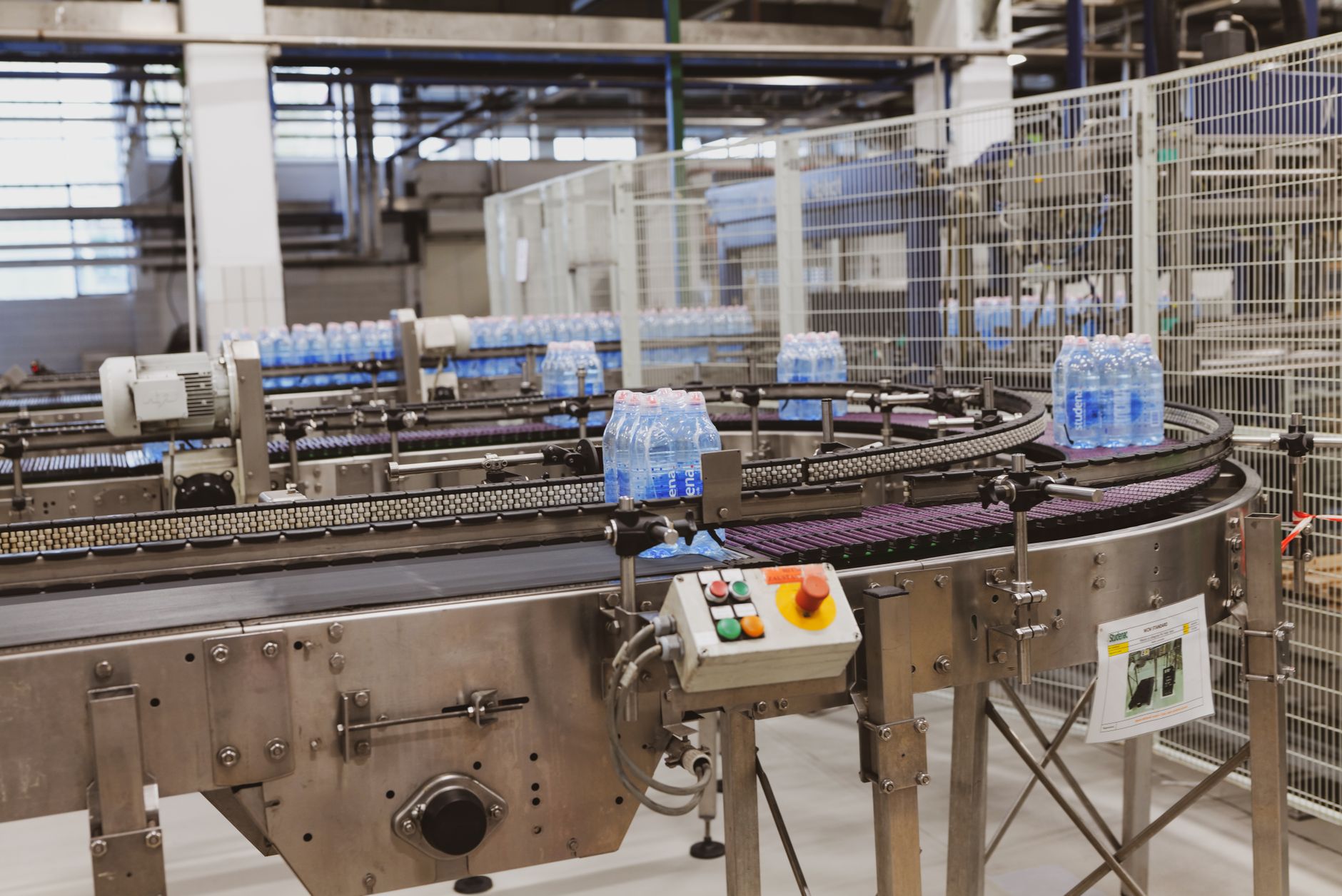
Higher throughput with less giveaway
Within one year, the facility reported output two to three times higher than before the automation push while easing labor shortage constraints on the line. Food giveaway from overportioning fell by sixty seven percent as deposits became more consistent tray to tray.
Leadership described the ROI as strong when capacity rose after adding multiple depositing robots without a matching jump in scoop labor.
What prepared food brands can learn
Saucy, variable products are exactly where robotic depositing pays back when giveaway has been hiding in manual scoops. A vendor neutral integrator can match the cell to your tray format, then finance, deploy, and service it through a nationwide network of regional service engineers.
Robot rental monthly or pilot paths can prove one line before you automate every SKU. Service Robot Co. maps the floor, trains supervisors, and keeps one number for integration and emergency dispatch.