
a California prepared-meal production facility
Prepared-Meal Facility Raises Throughput 17% With AI Portioning
See how a California prepared-meal facility used flexible AI portioning robots to raise throughput 17%, labor productivity 10%, and portion consistency 25%.
- 17%
- Higher throughput
- 10%
- Higher labor productivity
- 25%
- More consistent portions
- 2 weeks
- Full deployment time
Based on a documented real-world deployment. Figures are from public reporting; the organization is not named.
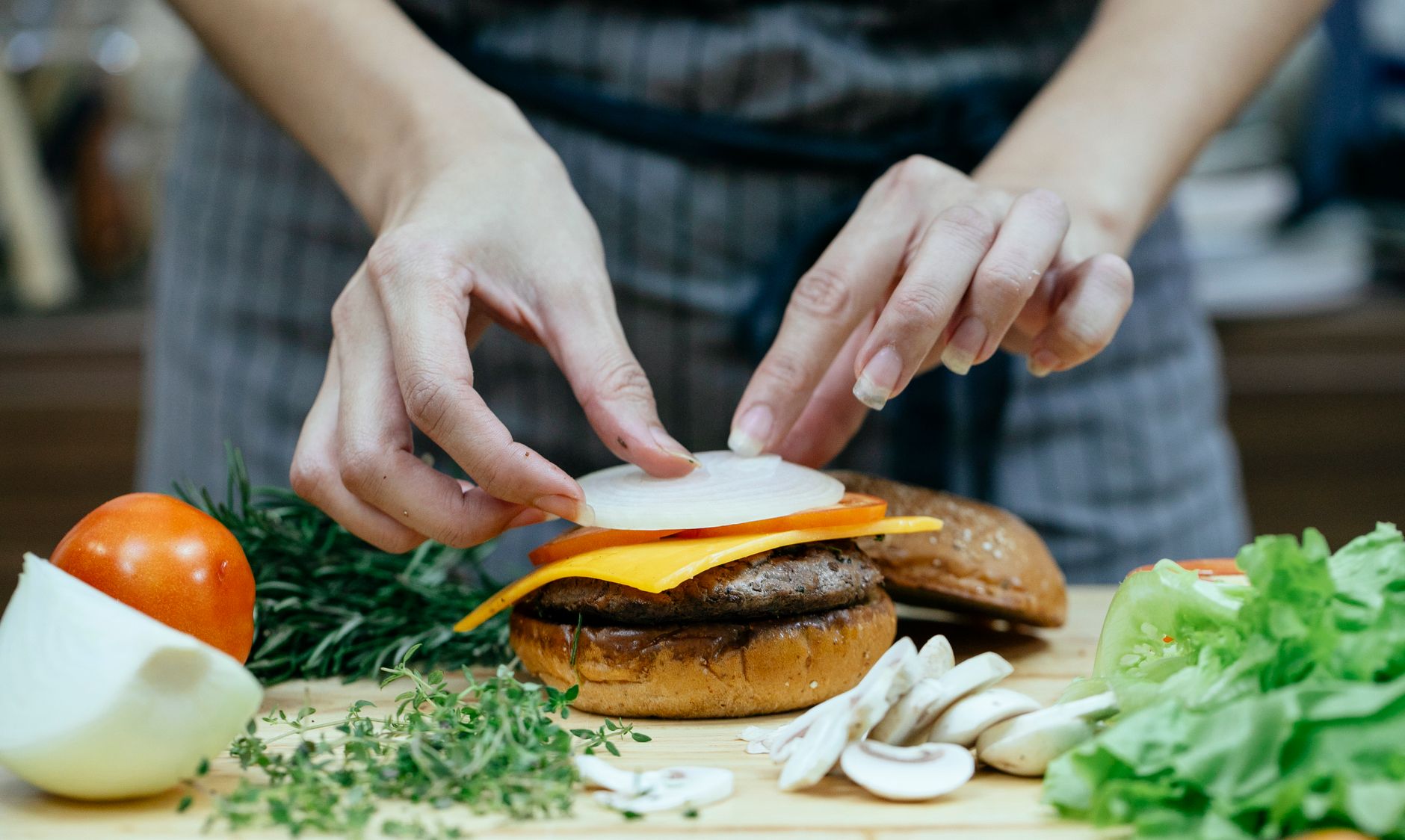
A Production Mix That Resisted Fixed Automation
A California prepared-meal production facility faced rising demand alongside persistent difficulty recruiting and retaining assembly workers. Staffing gaps forced experienced people from preparation, cooking, and packaging into repetitive portioning work, constraining capacity elsewhere in the plant.
The menu presented a second obstacle. Ingredients, trays, serving weights, and placement requirements changed frequently, while conventional depositing equipment lacked the flexibility needed for quick changeovers and a broad product mix.
The operation needed more than raw speed. Any workable system had to handle varied food textures, place portions accurately, preserve presentation, synchronize with the conveyor, and adapt without turning each menu change into an engineering project.
- Reduce dependence on scarce assembly labor
- Accommodate varied ingredients, trays, and portion requirements
- Maintain placement quality and weight consistency
- Support rapid changeovers without rigid retooling
Flexible Portioning Introduced on the Existing Line
The facility selected AI food portioning robots designed around ingredient compatibility and production variability. AI-based perception, adaptable utensils, collaborative arms, portable hardware, and real-time conveyor integration allowed the equipment to deposit different foods without the narrow operating envelope of fixed machinery.
The robots were fully deployed in two weeks. The published account does not specify a separate phased rollout, training curriculum, or ongoing service schedule, so those elements should not be inferred from this deployment.
- Qualify the equipment against ingredients, trays, serving weights, and placement standards
- Integrate robotic deposits with live conveyor movement
- Bring the equipment into production within the documented deployment window
- Use flexible changeovers to accommodate the rotating menu
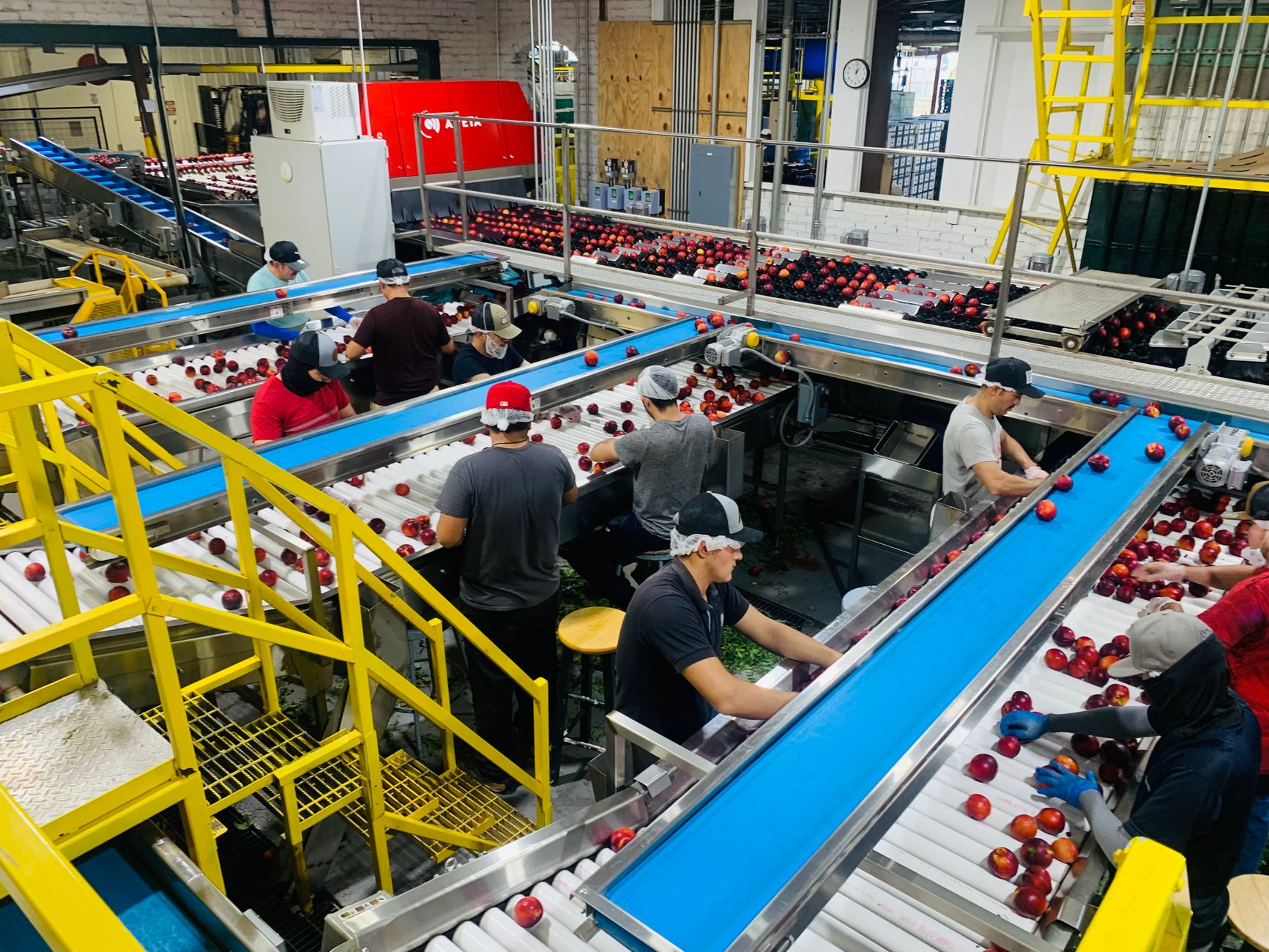
Faster Lines, More Productive Labor, Tighter Deposits
Meals assembled with robotic portioning achieved 17% higher throughput than the same meals assembled only by workers. Labor productivity rose 10%, with personnel reassigned from repetitive line positions to other plant work.
Deposit weights became 25% more consistent on average compared with worker-made deposits. That tighter distribution supports better control of giveaway and yield, although the source reports no measured waste reduction or financial savings for this deployment.
A Practical Buying Model for Variable Food Production
This case shows why equipment selection must begin with the food, tray geometry, changeover pattern, conveyor behavior, and sanitation environment. A commercial robot demo or robot pilot program should test real recipes and operating conditions before a broader robot deployment and integration plan is approved.
Service Robot Co. serves as a full-service, OEM-neutral commercial robot integrator for US businesses. We select equipment across manufacturers, then finance, deploy, integrate, train, and service each unit through a nationwide US engineer network, giving operators one partner and one number across the lifecycle.
That structure also lets buyers compare purchase, commercial robot leasing, robot leasing for business, monthly payment programs, and leasing arrangements around the operating case. Contract reviews can define RoboCare™ service, remote triage, on-site dispatch, training, and expansion support before production depends on the equipment.