
a high-traffic municipal library and community center in Japan
Library Cleaning Case Study: About 15% Lower Daily Cost
A high-traffic municipal library and community center in Japan cut daily cleaning cost by about 15% and improved measured cleanliness by over 50%.
- 15%
- lower daily cleaning cost
- 50%+
- measured cleanliness gain
- 1,000-3,000
- visitors per day
- 3 floors
- active robot coverage
Based on a documented real-world deployment. Figures are from public reporting; the organization is not named.
A Busy Library With Little Margin Before Opening
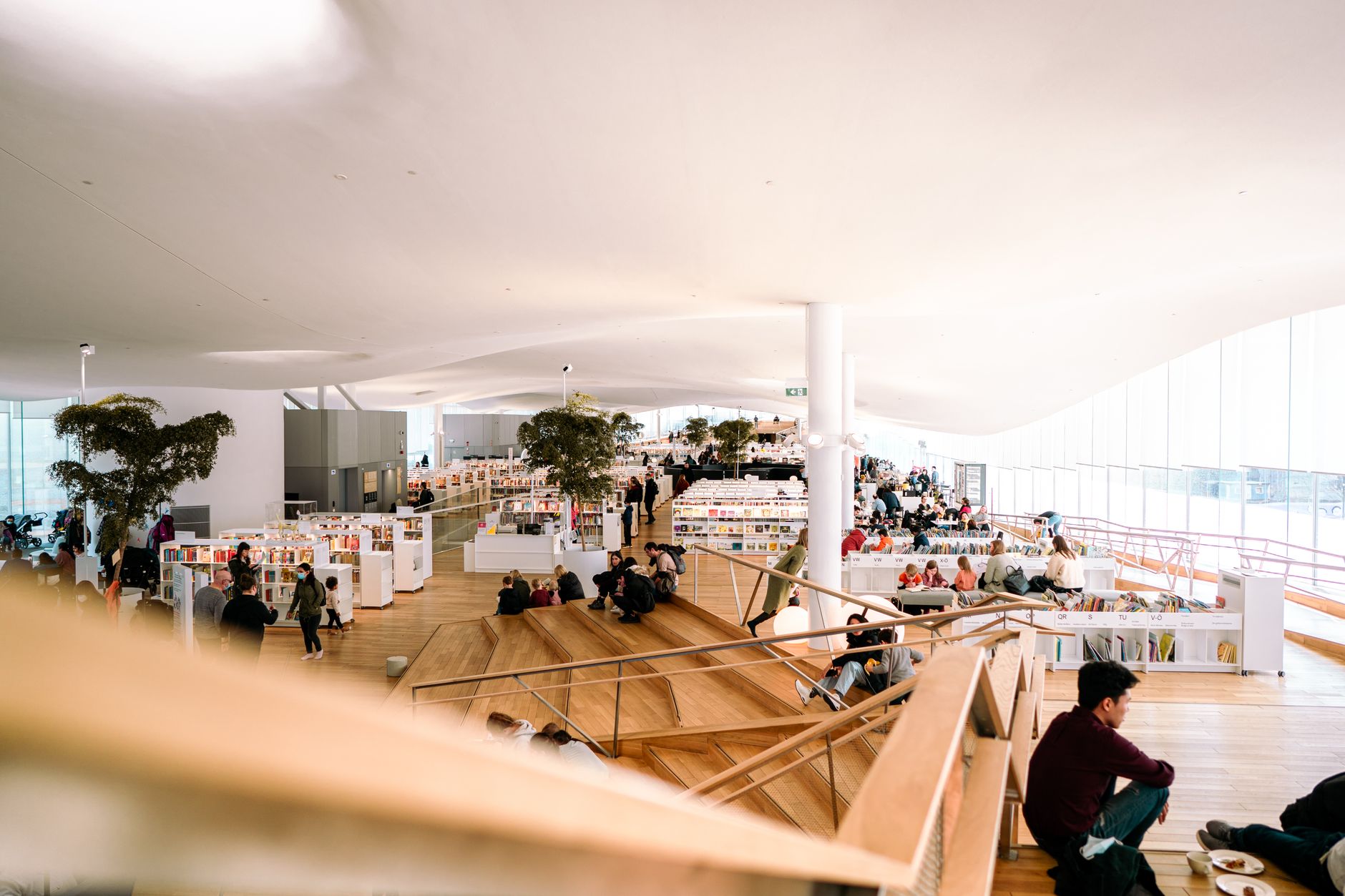
This high-traffic municipal library and community center in Japan welcomes about 1,000 to 3,000 visitors a day, and food and drink are allowed in the building. That mix raised the standard for floor care in a place designed to feel relaxed, open, and heavily used from morning onward.
The cleaning contractor could work only before opening, starting at 5:45 a.m. and covering the site in 3 hours. Management said the facility was already rated highly for cleanliness, yet higher hygiene expectations and rising outsourced cleaning cost made the routine expensive and difficult to standardize.
- Food and drink increased the chance of spills, crumbs, and sticky soil on the floor.
- More than 30% of visitors were families with small children or students in their 20s and younger.
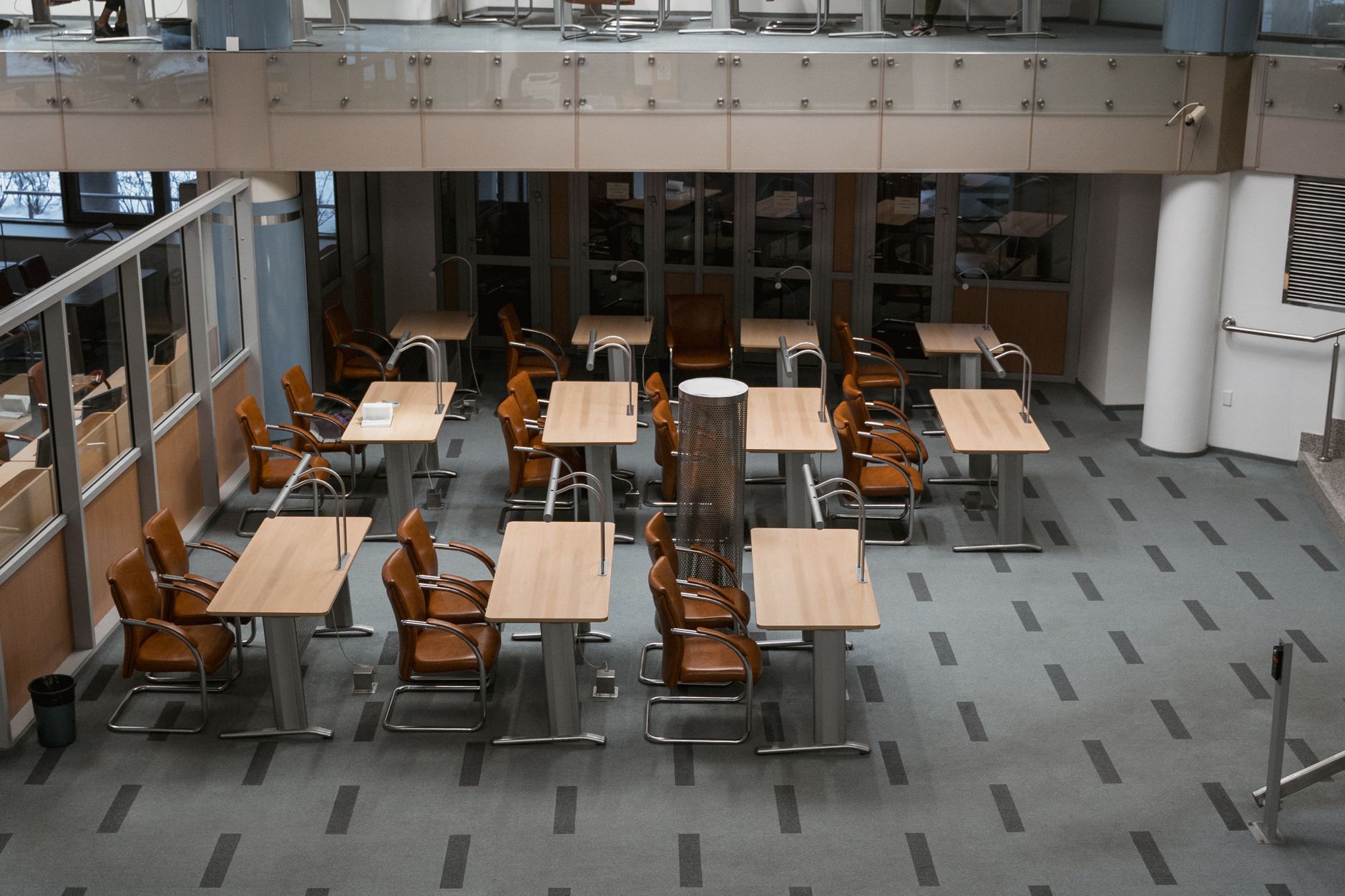
- The interior included more than 300 chairs in different shapes, low seating, and shelving that created awkward routing obstacles.
Trial First, Then a Human and Robot Work Split
The facility started with a trial in November and December 2021, using two clear test criteria: improve cleanliness and reduce outsourced cleaning cost. The deployment was treated as an operating redesign, not just a machine drop-in, with cleanliness preservation set as a nonnegotiable condition.
Routes were revised repeatedly. Paths were pulled slightly away from shelves where books protruded, while areas such as under-table zones stayed with manual vacuuming. Staff adoption was handled directly, with every cleaner interviewed 3 times in 1 month so the program could be framed as shared work rather than a threat to the crew.
- Begin with a time-boxed trial instead of immediate full rollout.
- Map routes around shelving, furniture, and other fixed obstacles.
- Assign repeatable floor passes to the robot and detail cleaning to people.
- Expand ongoing use across 3 floors after the sequence and handoffs are proven.
Measured Gains in Cost and Cleanliness
The site reports that measured cleanliness improved by an average of more than 50% after deployment, using ATP testing to make cleanliness visible. Operators also said the robot helped keep floors and air cleaner for visitors across the building.
On the cost side, the facility says daily cleaning cost fell by about 15% once robot and human work were sequenced effectively across 3 floors. The labor benefit was not just faster floor passes. It also created extra time for desks, chairs, wipe-down work, and other places that still needed careful human attention.
What This Means for U.S. Library Operators
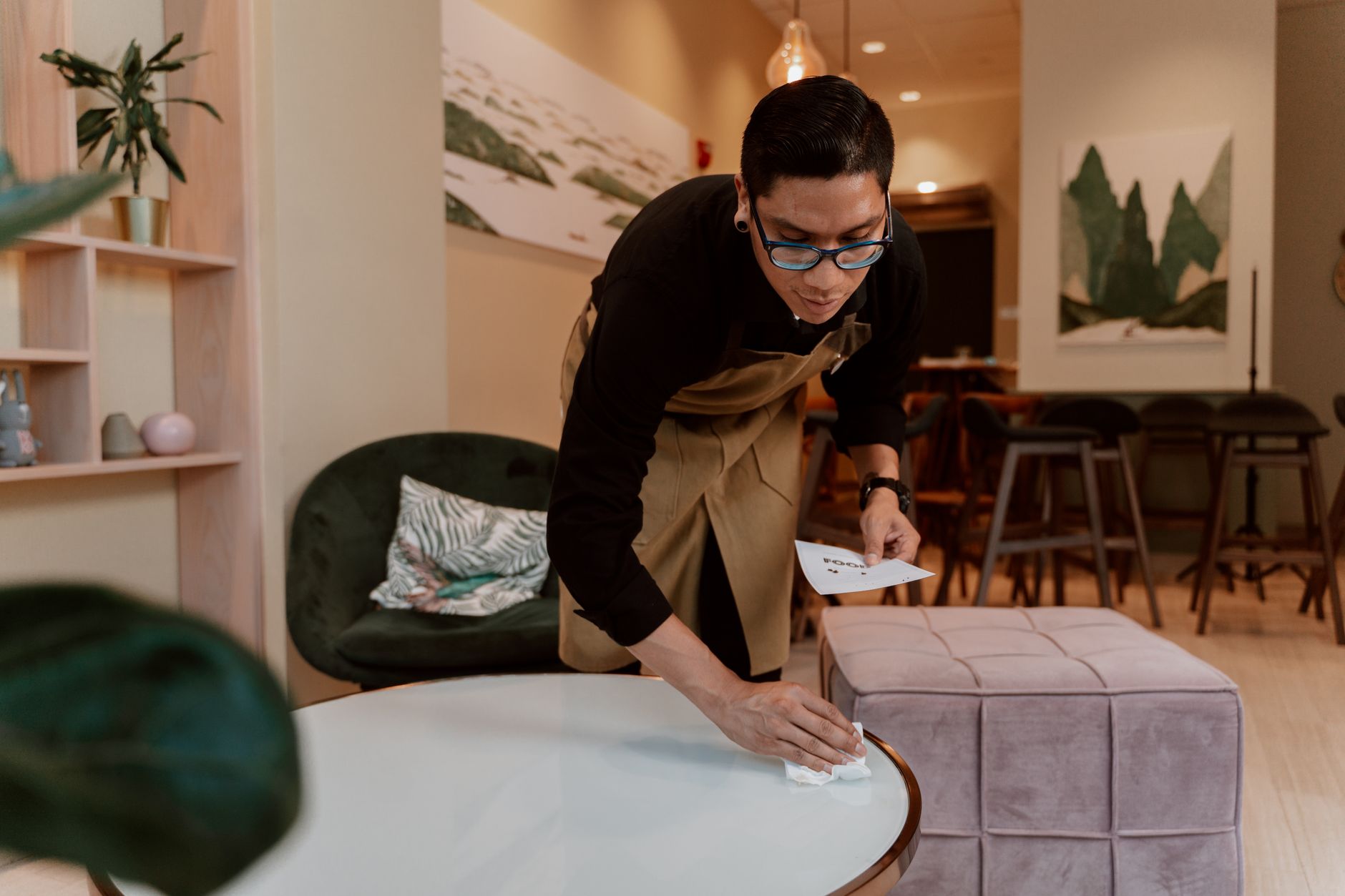
This is the real appeal of a commercial cleaning robot lease in public buildings. The win is not just overnight cleaning no operator. It is steadier floor coverage in a high-traffic setting, while people spend more time on touchpoints, furniture, and exceptions that still demand judgment and hand work.
That is where Service Robot Co. fits. As a vendor neutral robot integrator, we help U.S. operators choose the robot that fits your floor, then handle robot deployment and integration, site assessment mapping, go live support, and RoboCare™ service. We can also structure purchase or lease, including monthly payment programs when no upfront capital matters.