
a newly rebuilt intercity rail station concourse in Japan
Rail Concourse Cleaning Case Study: 2 to 3 Overnight Workers Avoided
A newly rebuilt intercity rail station concourse in Japan used an autonomous scrubber on 800+ sq m nightly routes, avoiding 2 to 3 overnight workers.
- 1,684 sq m
- Total concourse area
- 800+ sq m
- Per nightly half-route
- 2 to 3
- Workers otherwise needed
- 80%
- Water use reduced
Based on a documented real-world deployment. Figures are from public reporting; the organization is not named.
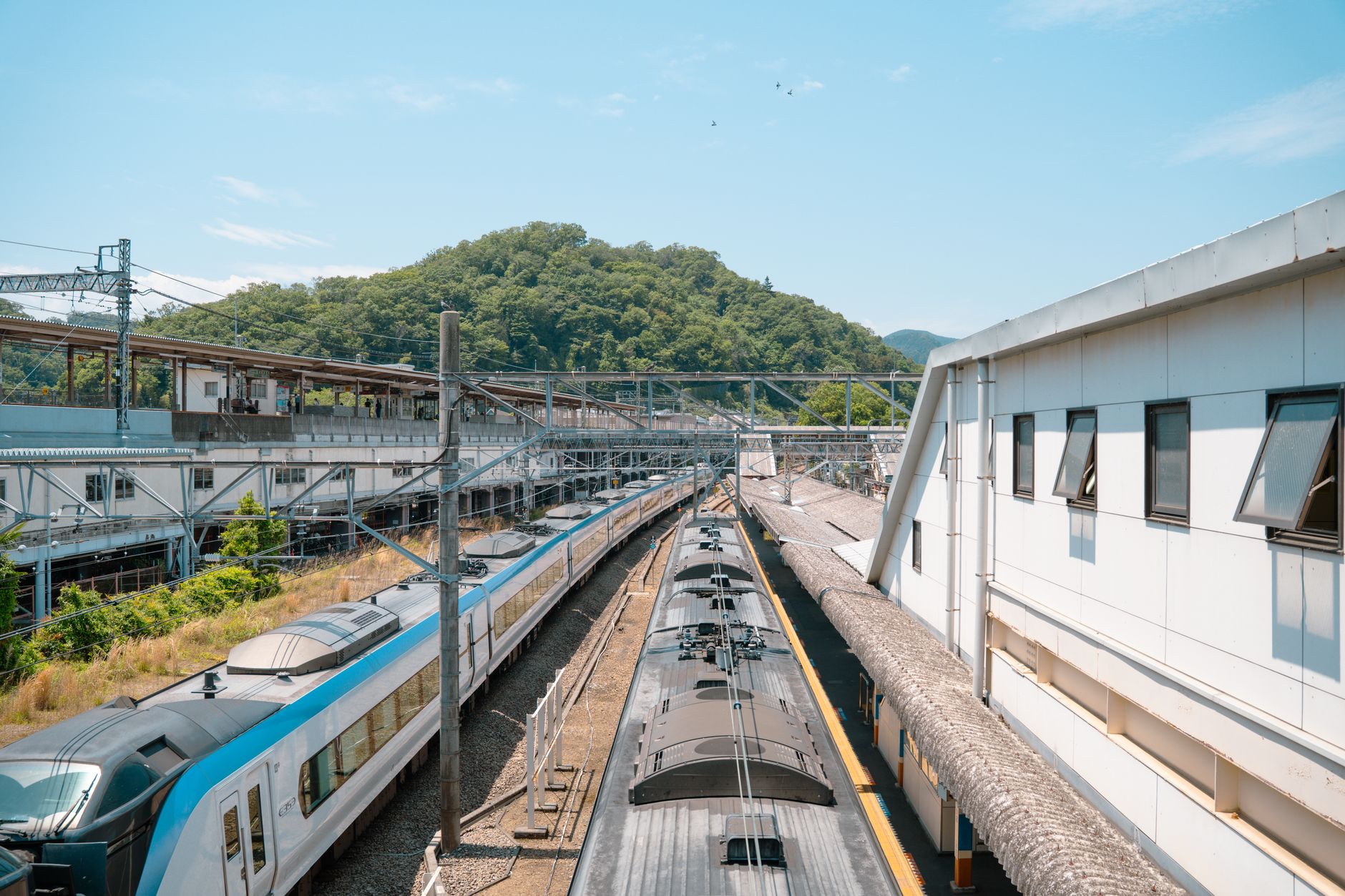
A large concourse, a narrow overnight window
At this newly rebuilt intercity rail station concourse in Japan, the heavy floor care had to happen after the last train. The concourse measured 1,684 square meters, and daytime passenger traffic pushed the full scrubbing pass into the overnight window.
That created a classic rail transit cleaning bottleneck. Even with the route split between odd and even days, each nightly half still covered more than 800 square meters. According to the published operator account, cleaning that half-route by hand would require 2 to 3 workers through the night.
- Total concourse area: 1,684 square meters.
- Cleaning was scheduled after the last train because the concourse stayed busy during the day.
- The route was split across odd and even days.
- Each nightly half-route still exceeded 800 square meters.
A preset route after the last train
The operator selected an autonomous scrubber for two stated reasons. It could clean a broad area fully automatically, and it could recycle wastewater generated during cleaning. The published account focuses on the operating method rather than a phased pilot or formal training package.
After the last train, staff moved the robot from storage to the cleaning start point and pressed start. The robot then cleaned the predefined area autonomously while workers walked the concourse for bulky trash that could interfere with scrubbing, then returned before first service to recover the unit.
The source also highlights two practical enablers for overnight operation. Sensors detected signs and guide barriers and avoided collisions, and wastewater recycling reduced concern about running out of water mid-route.
- Move the robot from storage to the starting point after the last train.
- Launch the predefined route with a start command.
- Clear large debris that could block the scrubbing path.
- Retrieve the robot before first service begins.

Where the labor relief showed up

The clearest outcome is labor substitution on the main scrubbing pass. With the 1,684 square meter concourse divided into odd-day and even-day routes, each overnight run still exceeded 800 square meters. The operator states that cleaning that area manually would otherwise take 2 to 3 employees working all night.
This was not a zero-labor setup. Staff still staged the machine, handled bulky debris, and picked it up before first service. But the hardest repetitive floor scrubbing moved into autonomous operation, which is why the labor relief is so concrete.
Water use also improved. The source reports that recycling and reusing wastewater cut water consumption by about 80 percent, while also reducing concern about mid-route maintenance during the overnight run.
What this signals for U.S. transit operators
For U.S. transit operators, this is what a good autonomous floor scrubber lease or commercial cleaning robot leasing case looks like. A night shift autonomous scrubber earns its keep on repeatable overnight routes with large facility coverage. The goal is overnight cleaning no operator on the scrubbing pass itself, while people stay responsible for launch, exceptions, and recovery.
That is where Service Robot Co. fits. We act as a vendor neutral robot integrator that helps buyers choose the robot that fits your floor, structure purchase or lease terms, handle robot deployment and integration, train the onsite team, and keep RoboCare™ service through one partner and one number.
For teams comparing leasing, robot leasing for business, or a floor scrubber monthly lease, the lesson is straightforward. The machine matters, but the lifecycle model matters just as much. Finance, deployment, training, service, remote triage, and on-site dispatch should be planned as one operating package.